

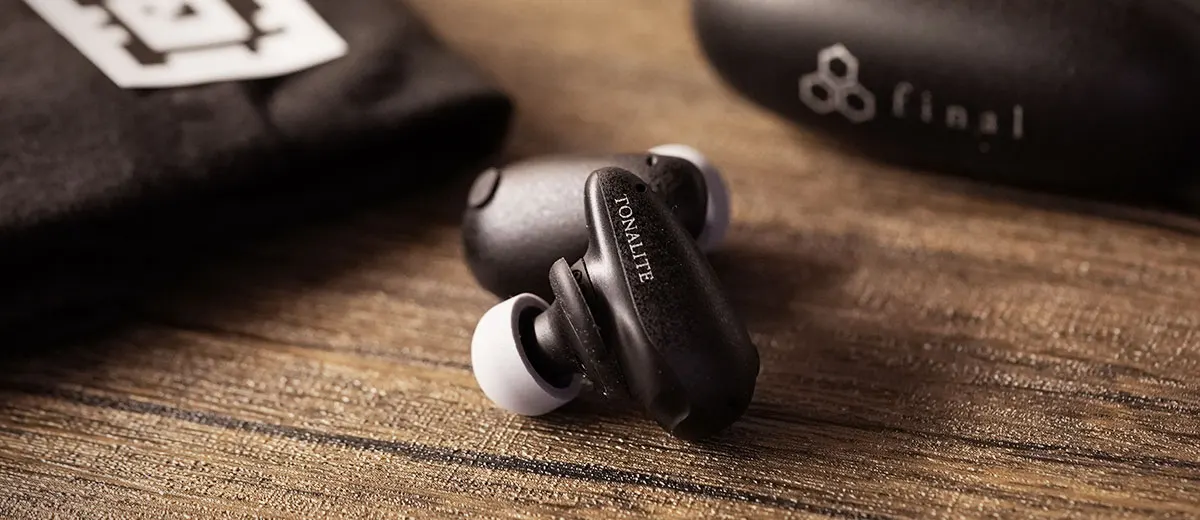
Select Comparisons
final ZE8000
Technical
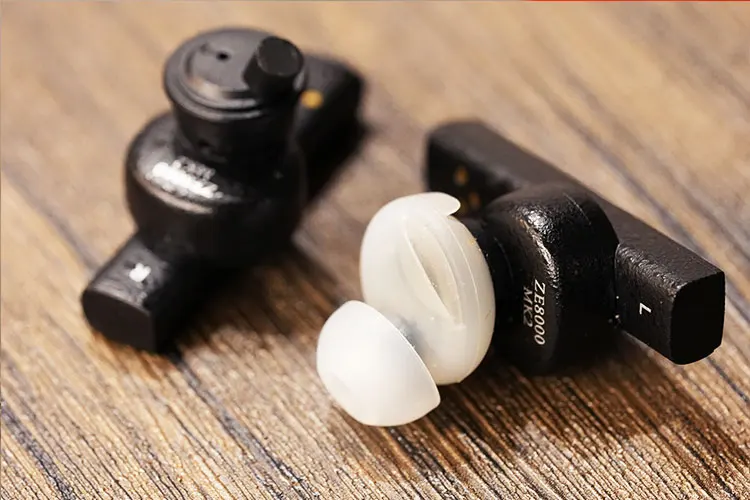
I chose the ZE8000 for comparison because some users may not have upgraded to the ZE8000 MK2, as they don’t see much difference in design.
If you are one of them, there are many more reasons for upgrading to the TONALITE.
The key differences lie in the enhanced driver design with lower THD performance, LDAC support, a much stronger DSP engine, and additional calibration features, including EQ that allows for higher volume playback.
Even without the calibrated profile, the detail retrieval power and dynamics are notably stronger on the TONALITE.
Design
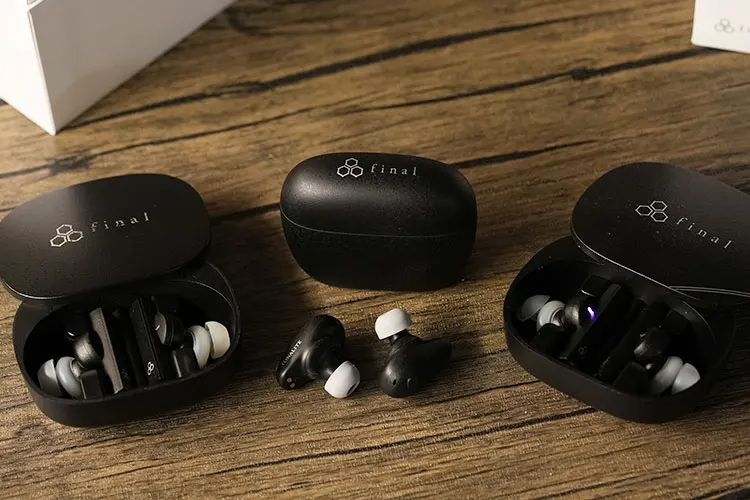
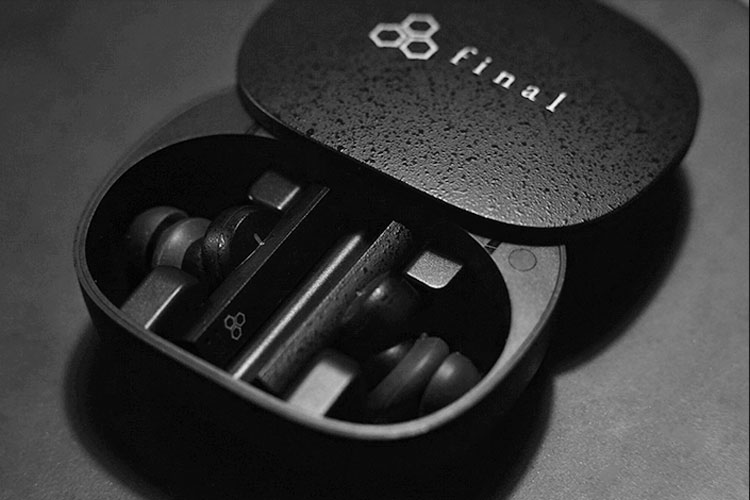
One noticeable difference is that the TONALITE has a much slimmer profile. final made a bold move with the ZE8000, which was quite large and protruded from the ear, resembling more of a professional tool than a music device.
The TONALITE significantly improves this, offering a more compact and rounded profile.
final has also evolved the design from the original ZE8000, incorporating features from the ZE8000 MK2, such as the small fin on the ear tips, resulting in a much more refined aesthetic and comfort.
Performance
Revisiting the ZE8000, the first flagship of the series, you can see traces of final’s tuning carried throughout.
However, the TONALITE significantly improves definitive power and isolation, allowing for better sound extension and more microdetails, especially at higher volumes.
Details in the vocal body are also more effortlessly extracted, and it sounds quite a lot more holographic while still blending in with the backing nicely compared to the ZE8000, which doesn’t sound as separated in the mids.
The ZE8000 features a swift, balanced tuning similar to the general profile of the TONALITE. However, when you activate the calibrated profile, the TONALITE surpasses the ZE8000 with much stronger clarity, resolution, and air.
The layering is superior, with instruments more clearly separated and transients more defined. I consider the TONALITE better in all aspects
The TONALITE is an easy winner here. Those who own and enjoy the ZE8000 will find the TONALITE a compelling upgrade.
final ZE8000 MK2
Technical
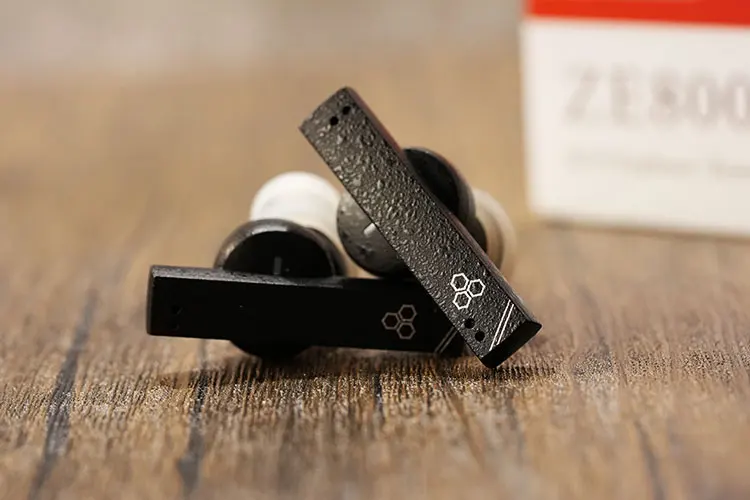
The ZE8000 MK2 design is closer to the TONALITE, sharing many similarities, including an upgraded DSP engine for its 8K sound+ feature and enhanced technicalities with its f-core driver.
However, the TONALITE offers a much stronger software package, incorporating additional MEMS microphones for calibration features and allowing users to toggle between different strengths of the reference curve.
This flexibility makes it more adaptable to various users, considering factors like ear canal size and head shape that affect perceived timbral qualities.
The upgraded f-CORE for the DTAS driver on the TONALITE also delivers a tighter and more defined output at higher volumes, maintaining a stable and well-articulated performance across the spectrum.
Additionally, while the ZE8000 MK2 supports AptX HD, it lacks LDAC connection support, which is available on the TONALITE with Bluetooth 6.0.
Design
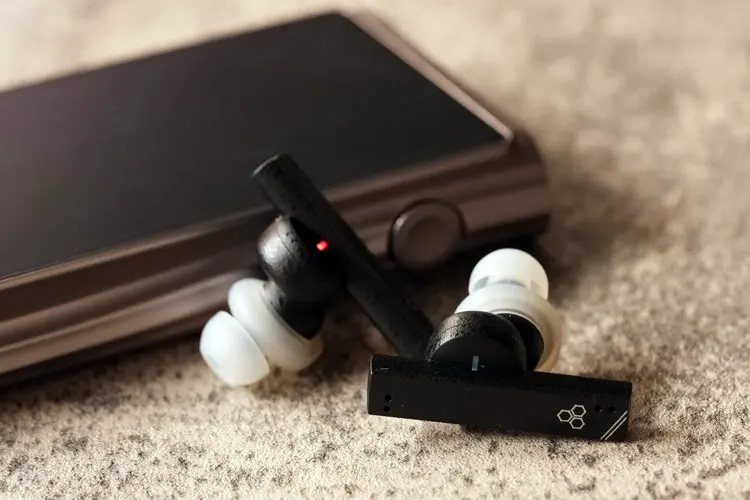
The TONALITE resembles a rounded, smaller version of the ZE8000 MK2, retaining key features like the small fin on the flanges, which is now split into two parts: a standard TWS flange and a separate adjustment ring that has its edge sitting on the concha.
A new tactile dot has been added to help users easily locate the touch-sensitive area for changing modes, and the cradle features a sleeker, oval design that feels noticeably more compact.
Most differences lie in the accompanying application, which is much more sophisticated for the TONALITE. It further explores the possibilities of the DSP-equipped design.
Performance
Before the TONALITE arrived, I extensively used the ZE8000 MK2, which I loved for its clear, rounded, and natural vocal presentation.
However, the TONALITE surpasses it in the overall balance, more lively presentation, effortless extension, enhanced transparency, and precision.
With the personalized profile activated, the TONALITE may initially seem less exciting than the ZE8000 MK2.
However, its bass around 250 Hz becomes more controlled, providing a stronger sense of clarity as if the resonating frequencies are acoustically treated, and without feeling dead or dark.
With the ZE8000 MK2, the bass may get more congested with larger ensembles, though the elevation gives it more fullness.
Additionally, the TONALITE positions instruments further out of the head, filling the rendered space more naturally with realistic harmonics and fullness, and the ZE8000 MK2 doesn’t sound as stereophonic.
The ZE8000 MK2 offers more elevation at both ends, giving its bass more punch and darker voices added power. In contrast, the TONALITE sounds more laid-back across all modes.
However, vocals and mids are presented with superior linearity and articulation, especially in the Ref+ profile, which is somewhat akin to the 8K SOUND+ switch.
I enjoy the stock tuning of the ZE8000 MK2, even if it isn’t as defined or balanced. Despite this, the TONALITE provides the flexibility to adjust the EQ for a similar tone while maintaining stronger, definitive power.
I would also prefer the TONALITE after calibration, and the calibration feature may particularly benefit users with ear shapes or sizes that differ significantly from the norm, allowing them to hear a much more accurate response.
My Verdict
I’ve always thought of final as a brand focused on traditional designs, especially with their consistent use of single dynamic drivers in many of their products.
So, I was pleasantly surprised when they took the lead in introducing biometric correction technologies to the mass market, which could be a real breakthrough for portable audio.
The calibrated sound of the TONALITE is among the most defined, distortion-free, and naturally articulated I’ve heard in wireless designs. The isolation, fit, and overall design have all improved since the last generation.
I see no reason not to recommend the TONALITE, especially for anyone with very large or small ears that differ from the typical ear canal size. They would greatly benefit from the calibration features.
final TONALITE Technical Specifications
- Bluetooth Version: Bluetooth 6.0
- Supported Codecs: SBC, AAC, LDAC
- Supported Profiles: A2DP, AVRCP, HFP, HSP
- Water Resistance: IPX4
- Driver: 10mm f-CORE for DTAS Dynamic Driver
- Microphones per Side: 3 × Infineon IM73A135 MEMS Microphones, 1 × Talk Microphone
- ANC Processor: Sony Semiconductor Solutions CXD3784
- Chipset: Airoha AB1585
- Earphone Battery Capacity: 100 mAh
- Charging Case Battery Capacity: 700 mAh
- Earphone Playback Time: Up to 9 hours
- Total Playback Time with Case: Up to 27 hours
- Charging Port: USB-C / Wireless Charging
- Charging Time: Earphones: approx. 1.5 hours / Case: approx. 1.5 hours (USB-C), approx. 2.5 hours (wireless charging)
