

Synergy
Efficiency & Sensitivity
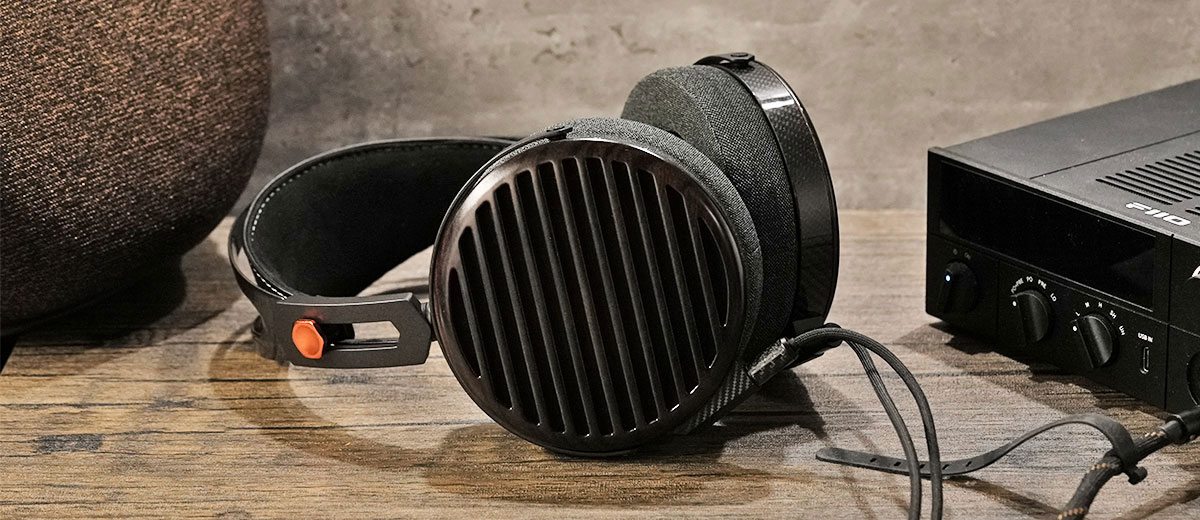
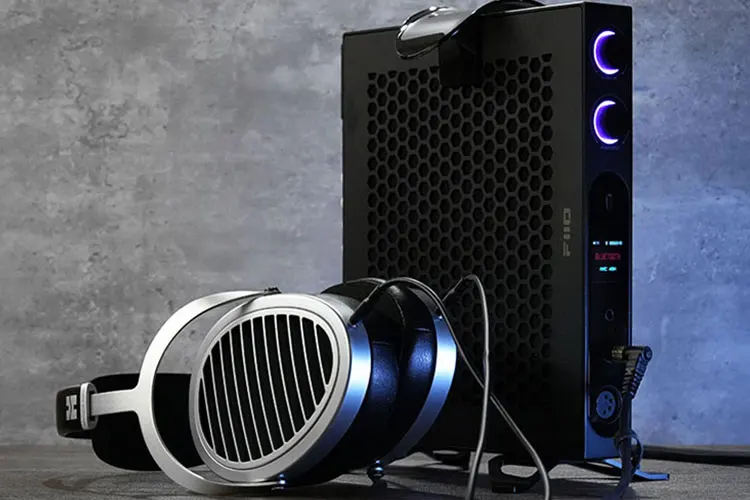
At 25Ω and 94 dB/mW in sensitivity, the FT7 is nearly noise-free on the K19 and K17, even at the highest gain settings. I prefer to use mid-gain to high-gain levels for a better balance between bass response speed and power.
The FT7 is quite sensitive to power and the coloration of the amplifier. While it can still deliver sufficient SPL on portable players, using a powerful amp immediately enhances separation and firmness in the bass.
Pairings
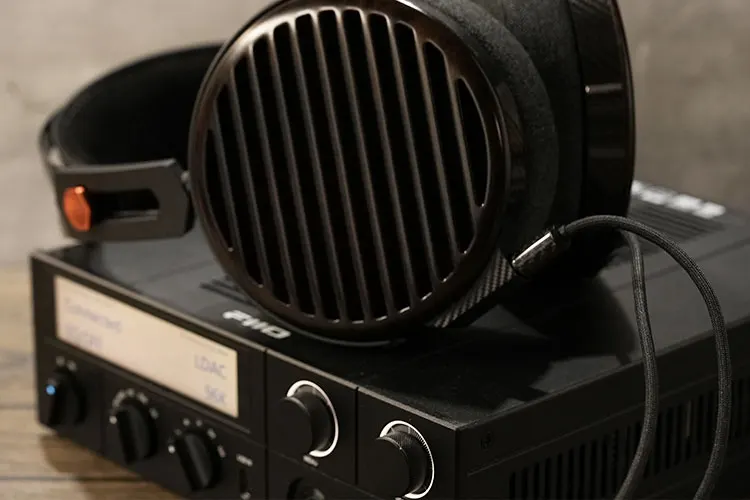
I find the FT7 quite responsive to power, and when switching between the FiiO K19 and K17, I can hear some good differences in their respective presentations.
With the K19, it sounds more defined and richer in micro details, more accurate, but closer to a monitoring style, especially when listening with the lambskin pads and their rapid bass response.
If you have fast, cleaner-sounding amplifiers, then I would recommend using the fabric pads, which would give a better balance and do not overemphasize the treble.
On the K17, which is warmer in tone, the FT7 sounds more full-bodied and has more warmth and punch, which favors vocal lovers.
With this combo, I swap back to the lambskin pads and find it more open with the vocal positioned just slightly forward, and still sounding precise and relaxing.
With the fabric pads, it bumps up the body and gets a little bit fat and overwhelming, and the roll-off is more obvious, though it is more expressive with bass instruments and with slower, relaxing tunes.
Select Comparisons
FiiO FT5
Technical
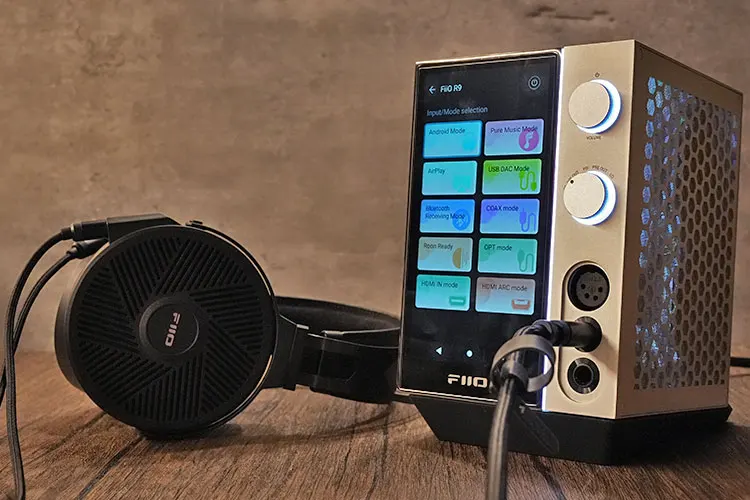
The FT5 is also an open-back planar headphone with a dual N52 Neodymium magnet array but uses a smaller 90mm diameter driver and is rated 36Ω in impedance and 96 dB/mW for sensitivity, compared to FT7’s lower 25Ω rating.
The FT5 features a 6μm-thick diaphragm, which is likely less efficient than the 1μm diaphragm on the FT7. So, it is not surprising that the FT5 has a higher impedance level.
Design
There are some similarities in the form of the design, but the FT7 is a winner in all aspects, with its much more premium carbon fiber framework, wood front covers, and Cryo-treated cables.
The vents on the Zebrawood front cover of the FT7 are larger than on the metallic one on the FT5, which is perhaps another supporting reason for its more effortless presentation.
It is quite a surprise that FiiO chose to use wood as a part of FT7’s design, as it is more uncontrollable in the making and harder to assemble. However, the result proves it to be a great choice, and it feels more premium to the touch. The FT5 still looks very cool and well designed, but less unique.
At 427g, the FT7 is also lighter than the FT5 at 456g despite using wood materials, and in practice, it is more comfortable as well.
Performance
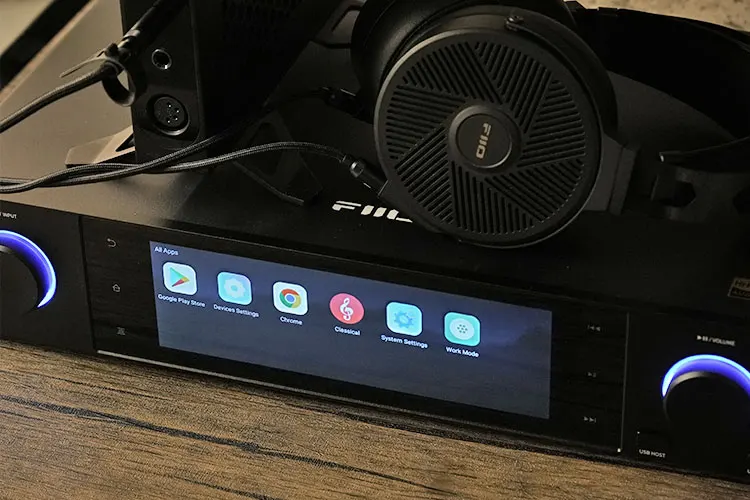
Comparing the FT5 and FT7 on the K17, the differences are quite pronounced. The FT7 is more extended, airy, naturally tuned, and less colored, while the FT5 sounds less extended and has a slower response, giving the bass a fuller punch.
The FT7 exhibits better agility in the bass, with stronger detail retrieval and transient response, providing a greater sense of definition, especially when testing with EDMs.
The FT5, on the other hand, sounds smoother, punchier, and more powerful in bass, though lacking the speed and firm attack of the FT7.
The articulation in the FT7 mids is swifter, showcasing better balance and authority in the vocal range without being overly forward. It also allows details on both ends of the spectrum to be heard more clearly, which is on the monitoring style side.
The FT5 pushes vocal frequencies for clarity more noticeably with a stronger midrange focus, which is also why it doesn’t sound as expansive.
The treble on the FT7 is more extended and skillfully dampened in the sibilance zones compared to the FT5, which has more noticeable sharpness followed by a more evident roll-off.
This allows the FT7 to sound airier and expansive, more compatible with different pairings, and accommodate breathy vocals with ease.
Additionally, the separation of vocals and instruments is enhanced on the FT7, so I don’t think it’s an exaggeration to say it is an all-around upgrade.
HIFIMAN Ananda Nano
Technical
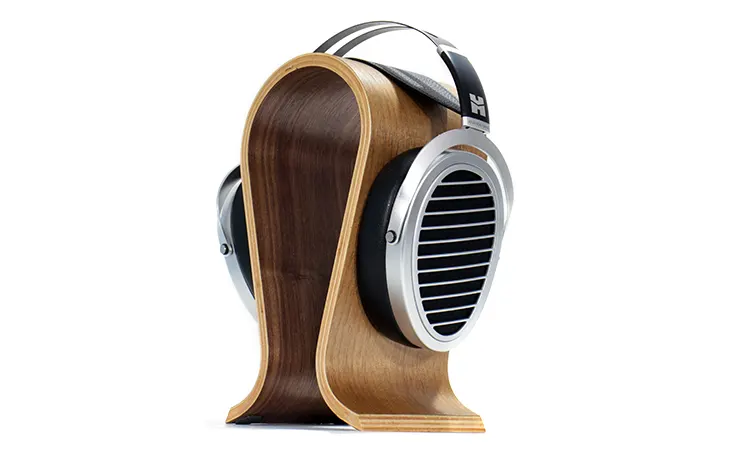
The HIFIMAN Ananda Nano was released in late 2023 and is one of the earlier examples of affordable planar headphones with a nanometer-thick diaphragm and HIFIMAN’s stealth magnet technology.
The Nano has an SPL of 94 dB/mW @1kHz and just 14Ω in impedance, which is slightly lower than the FT7 but with the same sensitivity rating.
Design
The Ananda Nano is consistent with other Hifiman’s design with the signature and has a light-weight, plastic x metal construct.
The openings on the front panel are similar to those of the FT7, allowing for air to flow freely into the back chamber without stressing the very thin membranes.
In terms of the build quality, FT7 is much more sophisticated in design and material choice and feels much more premium with smoothly finished metallic parts and carbon fiber throughout the framework.
The cable and carrying case also look much more premium than the stock cable included with the Nano package.
Performance
The Ananda Nano has faster bass response and smoother mids. I find it’s tuning more M-shaped than the FT7, leaning more toward the treble end
This enhances vocal forwardness and penetration power. In contrast, the FT7 offers a more controlled and smoother, polished upper-end, and the bass is more precise and fast.
Both headphones deliver good clarity and clean bass. For the Ananda Nano, this clarity comes from the sharper, more protruding treble, and the bass is more relaxed.
The FT7 delivers cleaner and faster transients in the bass, providing a perception of stronger detail retrieval power and texture.
The more prominent upper treble frequencies on the Ananda Nano emphasize vocal forwardness and body, placing more stress on the hissing and hushing sibilants.
Whereas the FT7 is more balanced and linear, allowing more sub-bass and upper treble extension presence that helps render a stronger perception of depth.
Weaker voices are more naturally presented on the FT7, and on the Ananda Nano, voices are empowered with a bolder, sharper image that stands out more.
At higher volumes and higher gain, the FT7 maintains superior control and texture, with good agility in the bass. In comparison, the Ananda Nano struggles to recover as quickly, and the treble peaks more easily.
Overall, the Ananda Nano is tuned more fun and relaxed in the bass, coloring the vocal more lively, and the FT7 is superior in transient response with better coherence between frequencies.
Shanling HW600
Technical
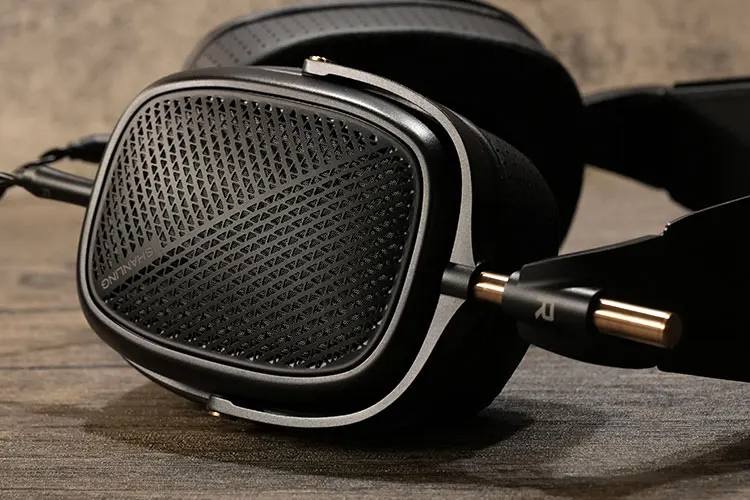
The Shanling HW600 has a 110x86mm, 8µm polymer diaphragm with 14 neodymium-iron-boron magnets on each driver that reach 1.8T flux density.
It is rated 104 dB/1Vrms @1kHz, which is relatively close to the 110 dB/Vrms @1kHz SPL rating of the FT7 but with a slightly higher impedance of 30Ω.
Design
The HW600 has a full-metallic build that is more solid than the FT7. However, it also has some plastic parts that bind the carbon frame and the earcups together.
I would call the HW600 a more modern aesthetic that you can bring to travel, and the FT7 a blend of high-tech material with wood, which is a nice fit on the desk.
Performance
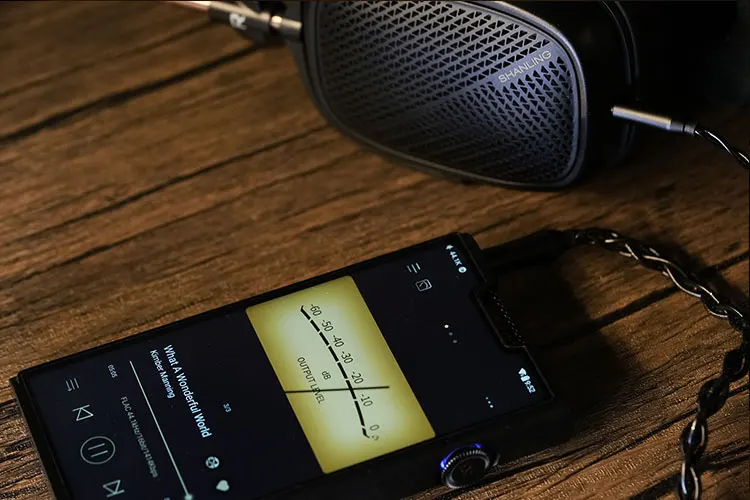
The HW600 has a more expressive midrange than the FT7 and empowers the vocal with more body, sounding dynamic and punchy in the lows. The FT7 is relatively conservative in the lower mids and with more focus on the backing instruments.
With the lambskin pads, the FT7 sounds smoother and more recessed in the midrange frequencies, presenting vocals with better clarity while allowing more details at both ends to be revealed.
It also boasts a faster bass response than the HW600, which is more mid-centric and stronger in 3D imaging of vocals. The HW600 delivers fuller, bolder bass that punches with ample power, but the FT7 offers a more agile and nuanced bass experience.
Switching to the fabric pads, the FT7 mids become more prominent as the treble is dampened. Compared to the HW600, the FT7 delivers bass with stronger texture and a greater sense of speed.
While it may not be as airy as the HW600 in terms of decay and harmonics, it offers a more neutral tone.
The HW600 is more open and airier in the treble while delivering stronger, punchier bass, giving it an edge for replaying pop and R&B. The FT7 is better suited for classical music and monitoring purposes due to its tuning approach.
Overall, I think the FT7 offers stronger technicalities and speed, also stretching deeper in staging, with a more neutral yet vivid tuning, giving it better versatility in pairing.
The HW600 features a more euphonic tuning and presents vocals with a more natural coloration and effortlessly extended treble, which sounds enjoyable even on weaker sources, but it doesn’t match the FT7 in detail retrieval in the lows.
My Verdict
The FiiO FT7 is the most well-built pair of headphones that I have handled from China thus far. The bold material usage, understated luxury, premium accessories, and stock cable come together to create a delightful user experience.
The swappable earpad system is also a very practical feature, allowing you to switch between two sound signatures instantly to match your preferences and gear, with both tunings sounding rather mature and natural.
The FT7 is not difficult to drive, and it sounds adequately dynamic and natural even when powered by weaker sources.
At this price point, it is hard to identify any major flaws in the FT7; the cable, carrying case, and everything in the package meet a very professional standard, making the overall appeal outstanding.
It is a solid recommendation and a great pairing with the K19 amplifier for those who are looking for a cool design and strong technical performance.
FiiO FT7 Technical Specifications
- Impedance: 25Ω ±15%
- Sensitivity: 94 dB/mW@1kHz or 110 dB/Vrms
- FR Range: 5Hz-40kHz
- Termination: dual 3.5mm TS Plug, 4.4mm balanced
- Adapters: 4.4mm to 4-Pin XLR, 4.4mm to 6.35mm
