

Synergy
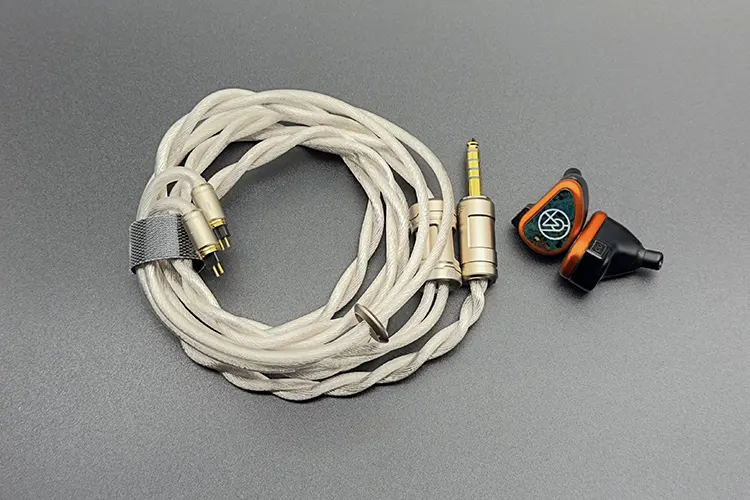
64 Audio Fourté
My good old 64 Audio Fourté is always welcoming for a new cable and responds really well, but you never know what brings out the best synergy.
Fusion 1 2025 accentuates the overall energy. It does not feel too sharp or too bright, but the treble energy is pushed further. Air and sparkle stay intact. Vocals are intense and take up the full space on the stage.
The soundstage feels more spacious. The presentation is very holographic, which the Fourté already does well. Depth improves along with width. Layering also steps up.
There is no sense of congestion on faster tracks. The bass gets the best treatment here. It is tight with increased rumble and deeper sub-bass.
On the Code 23 MKII, the treble energy does not jump out. It feels normal with no exaggeration, no uneven peaks, and no unwanted zing. The bass is not as tight or as deep as Fusion 1 2025, but it is close.
It misses a bit of sub-bass depth. Detail and layering in the bass are still very good. The midrange feels more musical. The stage shrinks a bit and lacks the depth and width of Fusion 1 2025, but the holographic feel stays intact.
The Code 24 MKII pairs surprisingly well, without any treble spike, which was my initial fear. It adds a nice weight to notes and resolves them cleanly. Images are sharper and more precise. The clean background is something you notice right away.
The bass is tighter than on the Code 23 MKII without adding thickness. It is still not as tight as Fusion 1 2025.
The midrange is very transparent. Resolution inches upward without extra energy, preserving Fourté’s natural warmth. It also does not push the midrange forward the way Code 23 MKII does.
THIEAUDIO Valhalla
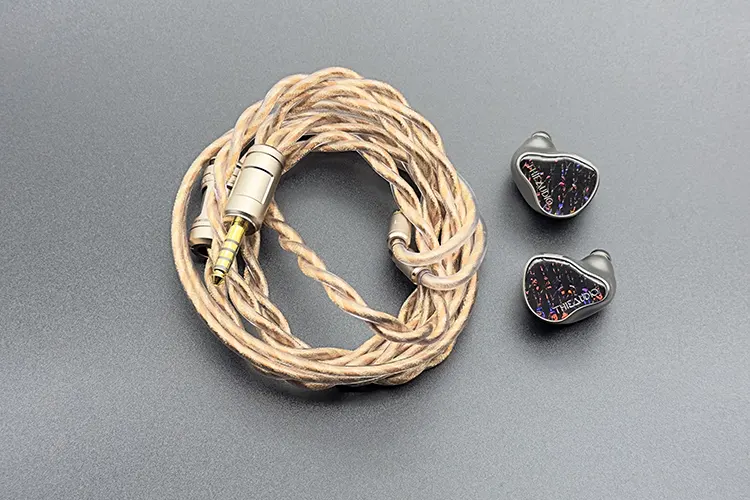
The THIEAUDIO Valhalla, an all-BA 19-driver-per-side flagship, has a U-shaped sound with a slight boost in the low end, especially in the mid-bass region, and some bump in the treble region.
On the Code 24 MKII, the bass feels balanced. Sub-bass and mid-bass feel more even. Mid-bass hits harder, but sub-bass still lacks body. It stays a bit mid-bass focused. Detail and texture are improved. The bass retains the speed, with hits landing firmer.
Midrange clarity jumps. The cleaner background and higher resolution make every note easier to hear. The upper midrange and treble pick up a light, syrupy gloss that keeps cymbals shiny without going overboard. Notes resolve better with more air around them.
With the Code 23 MKII, bass delivery feels better here. Sub-bass gets stronger treatment. Mid-bass does not swell as much as on Code 24 MKII. For Valhalla, the low end feels more balanced.
The bass is a bit slower and closer to a dynamic driver feel. The midrange sheds some edge and steps a little forward, closer to the ear.
For Valhalla’s neutral-ish midrange, Code 23 makes a good pair. Resolution and detail are close to Code 24 MKII. Treble energy is slightly tamed, giving a fuller, lusher flow from bottom to top.
With the Fusion 1 2025, tonality sits closer to Code 23 MKII. It also picks up the extra resolution and airy treble traits of Code 24 MKII. Bass is tighter with more impact in both sub-bass and mid-bass. It is a fuller low end with a mild mid-bass tilt.
The midrange has a cleaner background with details popping, while warmth stays in place, so musicality is not lost. The stage feels widest here, with better height too. For Valhalla, my pick is Fusion 1 2025, then Code 23 MKII.
LETSHUOER Cadenza 12 (2024)
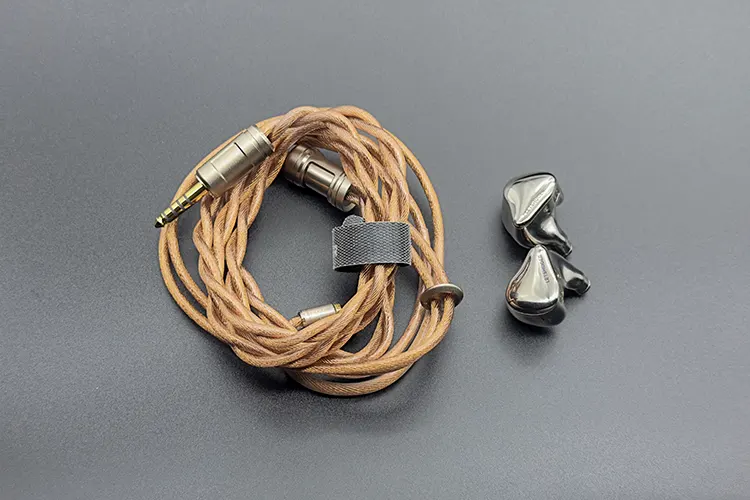
LETSHUOER Cadenza 12 2024’s sound signature is balanced with an emphasis up top. The tuning is neutral and highly resolving, which makes it an ideal candidate for cable rolling.
With the Code 24 MKII, treble stays forward, which is still a little hot, but now with cleaner edges. The midrange gains some focus. Resolution and detail are razor-sharp, which can tilt it toward a technical feel. Bass feels tighter but does not gain much impact.
The background is cleaner, and the stage widens a bit. Imaging on the Cadenza 12 is already strong and now feels ultra-precise. Gains on this pairing are real, yet it is still reference-first and comfort-second.
On the Code 23 MKII, treble energy drops a clear layer; air and sparkle remain, but the glare that made you reach for the volume knob is gone. The midrange moves a touch closer, so the stage feels slightly intimate.
The upper midrange loses its glassy edge, so female vocals settle rather than shout. There is some warmth and fullness, which adds musicality. Bass gains a bit of body and hits better, though it is still on the lean side.
Fusion 1 2025 is the most lenient with the Cadenza 12. Low end digs deep with plenty of rumble when the track calls for it. Layering and details in the bass are portrayed better here. It clearly lifts bass performance on the Cadenza 12.
The midrange is highly resolving without the clinical edge of Code 24 MKII. There is some warmth and a stronger lower midrange, so it feels fuller and lusher. The Cadenza 12 stays very transparent.
Treble has plenty of air and sparkle, but the peaks are more even. If you want “all the detail, none of the bite,” this is the Horizon cable to buy.
Selected Comparisons
Nostalgia Audio Lancelot vs Fusion 1 (2025)
Technical
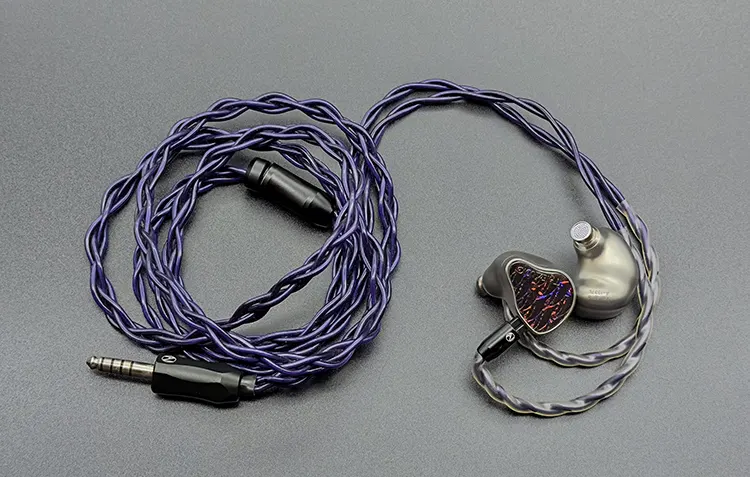
Lancelot is a cable from the Signature series of cables created by Hong Kong-based Nostalgia Audio.
The cable uses a 25AWG Gold–Silver Alloy with Gold-plated Silver at the core. The conductors receive a graphene and oil treatment to improve electrical conductivity.
Lancelot also employs high-purity OFC shielding to block external interference, which helps with clarity and gives a darker, cleaner background.
Design
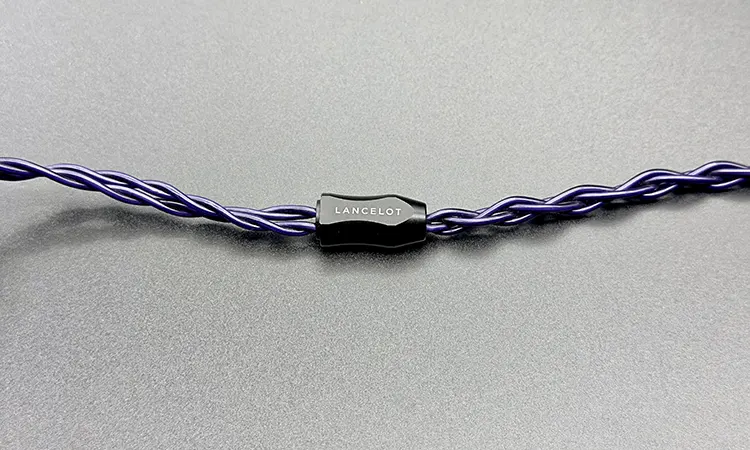
Lancelot is a 4-wire build, whereas Fusion 1 2025 uses a 2-wire design. Lancelot comes in a deep violet sleeve.
It is more flexible than Horizon Series Fusion 1 2025 and does not feel thick. It is light in the hand. The wires are pliable, so microphonics are low, and it does not spring open after you coil it. Handling is easy, and comfort is high.
Lancelot is sold only with a 4.4 mm plug. There is no 2.5 mm or 3.5 mm option. IEM connectors are Rhodium-plated 2-pin or MMCX. The hardware is matte black, very light, and smaller in size than Fusion 1 2025’s parts.
It also ships with a leather case, which Fusion 1 2025 lacks. The TermX and ConX swappable systems on Fusion 1 2025 make it usable with a wider variety of connections.
In pure build, Fusion 1 2025 still feels like the pricier piece. But the real question is performance, and that is where the comparison matters.
Performance
I used the THIEAUDIO Valhalla for this comparison. Lancelot does not bring much of a change to the inherent sound signature.
It works by pushing a bit more richness into the tonality, smoothing the high frequencies, and bringing subtle refinements across the board. Fusion is more energetic in presentation.
There is noticeably tighter bass with a small push in the sub-bass region. Lancelot does not add body to the bass. Rather, the mid-bass is a little toned down, giving Valhalla’s bass a more balanced feel.
You can feel some refinements in the region, and the texture gets better, but the changes brought about by Fusion 1 2025 are more noticeable. For IEMs with dynamic drivers, expect a more abundant bass with the Fusion 1 2025.
The midrange is where Lancelot does some magic to add musicality. For the neutral-ish midrange of Valhalla, the cable adds some warmth and takes a little energy off the upper midrange while not hurting extension at all.
Overall, the tonality feels more natural, especially with female vocals. Fusion 1 2025 pushes resolution and detail a little further and adds some clarity.
In the treble, Lancelot adds smoothness and works well with the boosted upper range of Valhalla. It preserves the detail and the way notes resolve while softening those peaks that might bother you.
This works in favor of Valhalla. Fusion 1 2025 will not bother you with its detail and a bit of energy, but if the IEM already leans bright, the added spark may rise too high, proving the pairing less than ideal.
Fusion 1 2025 adds a grander soundstage presentation with very precise imaging. With Lancelot, the stage size holds steady. Imaging is as precise, but it stays sure-footed and unobtrusive.
Astral Acoustics Mars vs Code 23 MKII
Technical
Mars is a premium release from the Hong Kong-based brand Astral Acoustics. It’s a 2-braid coaxial cable priced at $650. At its core, it’s a copper-only cable like the Code 23 MKII. Mars uses 5N Long Crystal OFC Copper Litz wire.
It features a three-sized stranded coaxial design with a combined effective gauge of 21AWG, which is thicker than Horizon Series Code 23 MKII’s. UP-OCC is the more extreme process of the two, and both are often regarded as very high quality.
Design
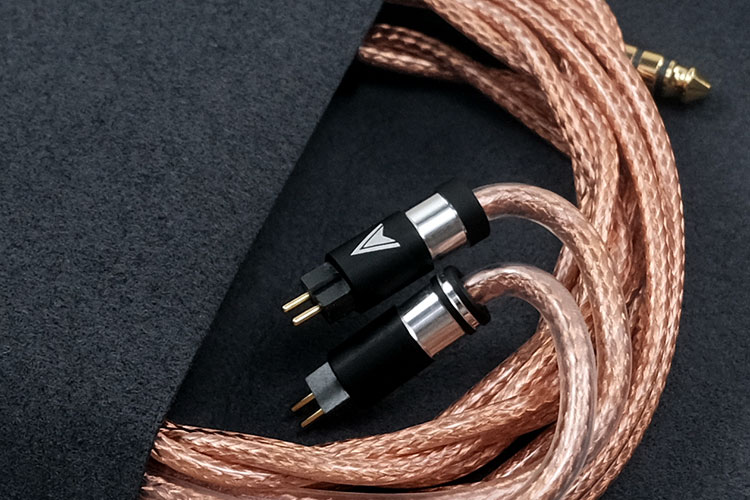
You’d expect Mars, a thick-gauge cable, to have a heavy build, but the moment it drops into your palm, you find it weighs next to nothing, at least compared to the Code 23 MKII, which feels and looks beefier.
The hardware on Mars is slim, and both ends have a much smaller form factor compared to those on the Code 23 MKII.
Mars has a minimal look, finished with lightweight metal and a matte black coating on the Y-split, termination adapter, and 2-pin connectors. While the finish on Mars feels premium and subtle, the Code 23 MKII’s hardware gives off a more luxurious and flashy touch.
The twisting on Mars is tighter, with a lighter transparent jacket, making it one of the more malleable coaxial cables to date in terms of handling.
Code 23 MKII follows a similar design but with a more rugged and stiffer sleeve, making it less flexible. It’s a tough choice if we go by both looks and ease of use.
Performance
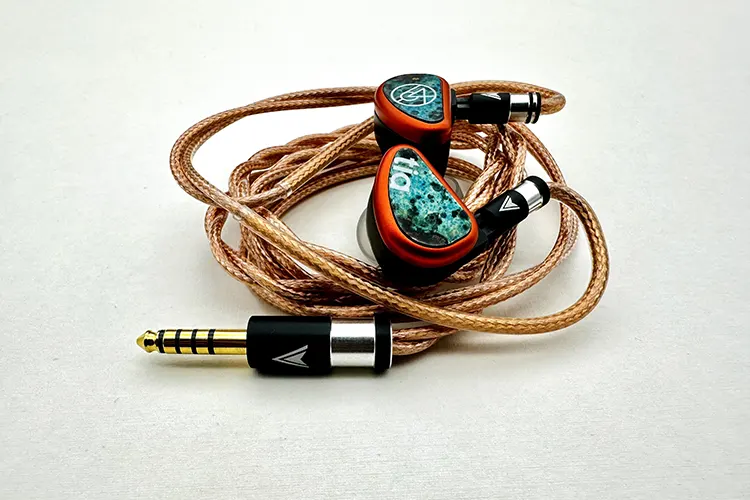
Mars and Horizon Series Code 23 MKII share the same copper DNA but offer very different flavors. Code 23 MKII comes off denser and a touch punchier. Mars leans smoother and fuller, with a calmer top and a deeper sense of space.
Code 23 MKII adds thickness and texture to the low end. Sub-bass swells gently and hangs a bit longer. Mid-bass lands with a fleshier thud, so the bass feels big and slightly slower in decay.
Mars doesn’t thicken as much. It rounds the bass and keeps it tidy and controlled. If you want extra body without bloom, Mars is the one that adds satisfying solidity to the low end.
Mars brings a liquid, smooth timbre and excellent note body. Vocals and instruments gain fullness, yet they are not pushed forward much. Code 23 MKII lifts the lower midrange a notch, nudging male vocals and guitars closer.
Micro-details flow cleanly on both, with the MKII feeling a bit more physical and Mars sounding more fluid. The resolution feels intact on both.
Code 23 MKII keeps its sparkle and adds a little crunch in the lower treble. Air and openness stay intact. Mars is smoother up top. It can shave a bit of sparkle from cymbal hits and higher synths, but it also removes sting from upper midrange and treble, leaving a smooth and easy listen.
Mars wins on soundstage and layering. The soundstage feels more holographic with enhanced front-to-back depth, and placement locks in neatly. The Code 23 MKII sounds more open sideways thanks to its airier treble. Its imaging stays solid even if it is not quite etched.
Mars is ideal if you want to tame neutral or bright monitors and add body. For extra weight and texture with a crunchy treble, pick Code 23 MKII.
Effect Audio Code 24 MKII vs Effect Audio Code 24
Technical
Code 24 uses a 16.5AWG gauge 2-wire, which is a similar gauge size to the Horizon Series Code 24 MKII, with the same UP-OCC silver-plated copper Litz wire.
All wires within each cable have a similar proprietary multi-size strand blend, with Code 24 using 13 multi-sized core bundles.
It uses a Trio-Flex™ Pure Solid Core System, which consists of three slightly smaller core wires. In the MKII, we see a Quad-FlexPro™ Solid Core System, which utilizes four individually calibrated solid cores.
The new build increases the strand count by 20%. Code 24 MKII expands its conductive surface area, helping improve current uniformity and minimize micro-resistance across the bundle, which in essence means cleaner and more precise signal transmission.
Design
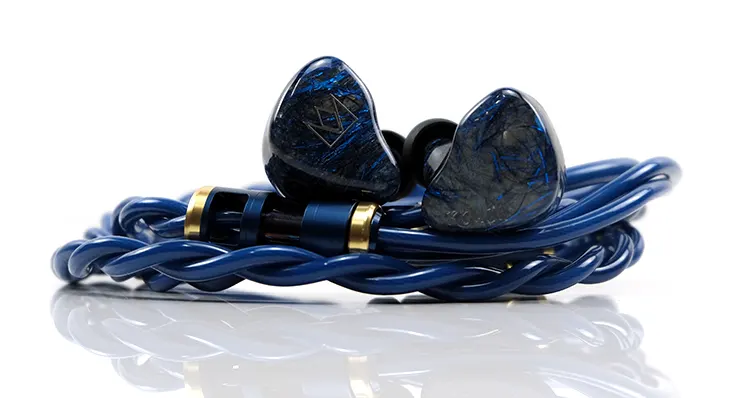
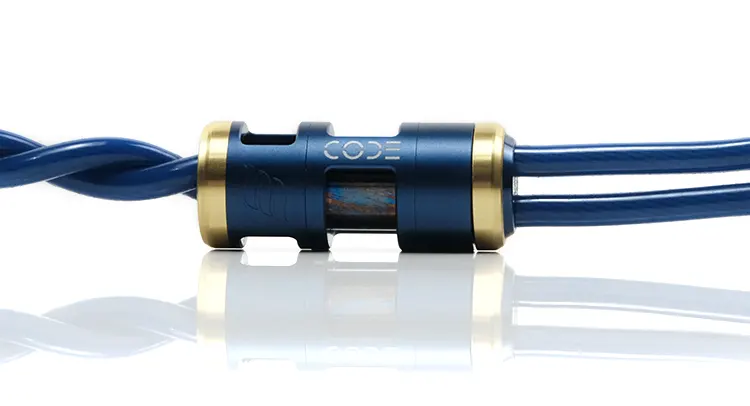
The new Horizon Series MKII cable also gets a design overhaul. The earlier version used a striking blue color scheme with extravagantly engineered barrels. Instead of the transparent EA UltraFlex jacket, it featured a solid-toned, slightly reflective blue sleeve.
With the implementation of the UltraFlex jacket, you can now see the conductors through it, which highlights the dominant silver tone of the new Code 24 MKII.
While the earlier version’s design language gave off a very vibrant look, the new one feels more subtle and premium.
The Code 24 Y-split barrel previously used a custom Timascus (Titanium Damascus) design and was thinner and slightly longer than the new version, which is built from soft, metallic gold-polished aluminum.
The cable’s weight feels more evenly distributed this time, and flexibility has also improved.
Performance
Code 24 and Horizon Series Code 24 MKII look similar in their configurations. But the moment the first note lands, you realize they grew into very different personalities. The MKII sounds quicker, cleaner, and more spacious, whereas the Code 24 is the easy-going sibling.
In the sub-bass, Code 24 adds some extra body with some deeper rumble and more volume to it. However, the decay is slightly slower, which makes the low end feel rounder rather than tight.
The MKII brings in a sharper sense of precision. It tightens the bass, keeps the hits cleaner, and spreads the low end more evenly. It keeps the sub-bass and the mid-bass more balanced in their delivery.
In the midrange, they stray far from each other in how they color the timbre of instruments and vocals with each IEM. Code 24 delivers a slightly more natural, smoother tone with a touch of sweetness. The midrange has a gentle sweetness.
On the MKII, the midrange feels more vivid and refined, with micro-details coming through naturally. It pushes a more transparent midrange with a bump in clarity and resolution, pushing vocals and instruments slightly forward.
On Code 24, the treble feels tamed, leaning towards smoothness instead of adding a pinch of sparkle. Treble gets special treatment on the MKII. It turns treble into a more energetic and focused one, giving the sound a sense of polish and purpose without losing its natural feel.
You hear a clear improvement with more air and shimmer, yet there’s hardly any hint of harshness. Even on brighter IEMs, it stays composed and controlled.
With the sharper and livelier notes, the MKII sharpens the imaging and feels more spatially accurate. You’ll also notice a better-layered sound with more spaciousness and air around instruments. Stage width stretches left-to-right, and height follows suit.
My Verdict
The earlier Effect Audio Code Series cables, 23, 24, and 24C, did their job well, and we all noticed. The colorful 24 and 24C looked gorgeous and performed to match, but the common request was simple: please make them a bit more flexible.
That note has been taken. In the new Horizon Series, Effect Audio has pushed these designs forward in a way that makes the older versions look like stepping stones, solid as they were.
Code 23 MKII and Code 24 MKII keep the core character of the originals but are easier to live with. They arrive with a full design refresh, better handling, and a more premium look.
They are just a bit stiff but quite flexible. The clear jacket shows the conductor, the braid feels nicer in the hand, and there is less fight when you twist, coil, or store them.
On the ear, they deliver real gains, and Code 24 MKII, in particular, brings a treble presentation that feels special. The Code 23 MKII will add the missing bits of musicality for you.
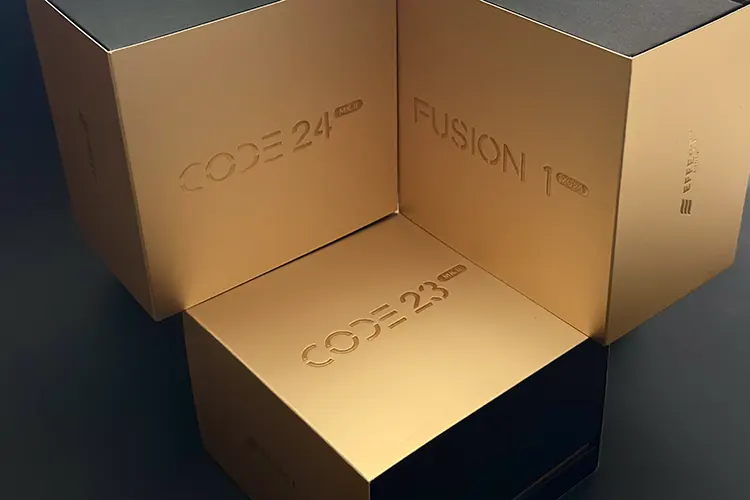
Fusion 1 2025 is the heavy hitter of the bunch. It pushes stage size and order further than the Code pair and tidies up how everything comes together.
It feels like the one you move to when you want the whole picture to scale up. Easy handling and a beautiful design make it an easy favorite.
Across the line, you get stronger low-end delivery, a cleaner background, and micro-details that sit in plain view.
If you want a premium cable that makes an audible difference and also feels like a piece you will enjoy owning, the Horizon Series is easy to recommend.
Effect Audio Horizon Series Code 23 MK II Specifications
- Material & Structure:
- Selected Premium Pure Copper Litz
- Quad-FlexPro™ SolidCore
- 13 Multi-sized Core Bundle
- Proprietary Multi-size Stands Blend
- Spec: 16.5AWG 2 Wires
- Sleeve: EA UltraFlexi™ Insulation
- Plug: 4.4mm Balance
- Connector: 0.78 Dual-Pin, ConX® & TermX™ Basic Sets Interchangeable Connector/Plug System (IEM Version)
- Length: 1.2m ± 5cm
Effect Audio Horizon Series Code 24 MK II Specifications
- Material & Structure:
- Selected Premium Silver-Plated Copper Litz
- Quad-FlexPro™ SolidCore
- 13 Multi-sized Core Bundle
- Proprietary Multi-size Stands Blend
- Spec: 16.5AWG 2 Wires
- Sleeve: EA UltraFlexi™ Insulation
- Plug: 4.4mm Balance
- Connector: 0.78 Dual-Pin, ConX® & TermX™ Basic Sets Interchangeable Connector/Plug System (IEM Version)
- Length: 1.2m ± 5cm
Effect Audio Horizon Series Fusion 1 (2025) Specifications
- Material & Structure:
- Selected Premium Gold-Plated Silver Litz
- Selected Premium Pure Silver Litz and Pure Copper Litz Hybrid
- Proprietary Tri-Strata Layering Fusion Mix
- 40 Multi-sized Core Bundles with Solid Core Design
- Customized Multi-sized Strands Blend
- Spec: 21AWG 2 Wires
- Sleeve: EA UltraFlexi™ Insulation
- Plug: 4.4mm Balance
- Connector: 0.78 Dual-Pin, ConX® & TermX™ Basic Sets Interchangeable Connector/Plug System (IEM Version)
- Length: 1.2m ± 5cm
