

Sound Impressions
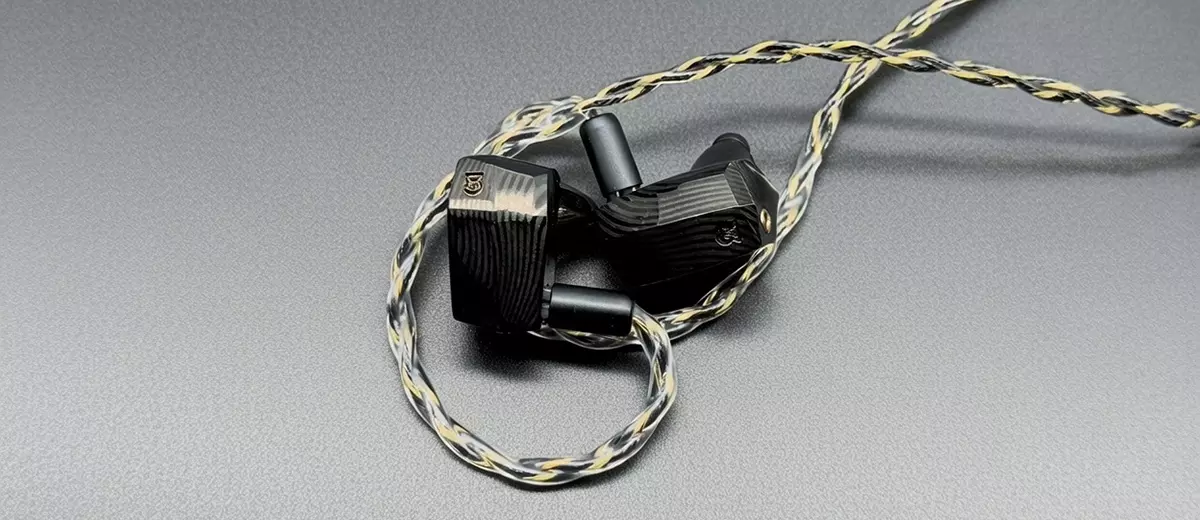
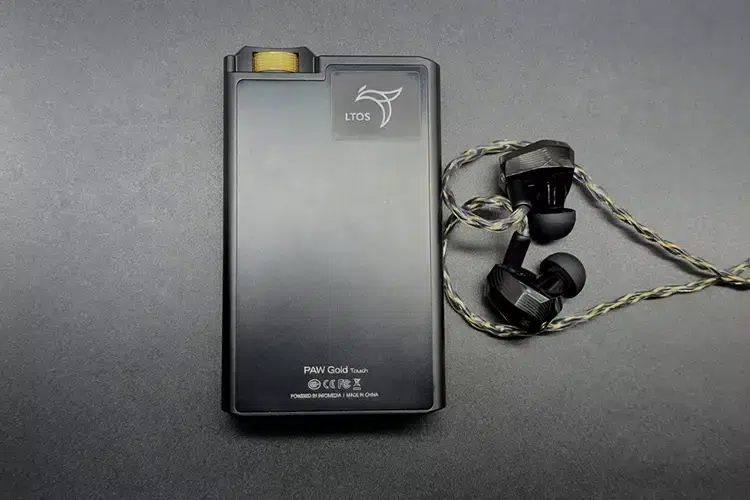
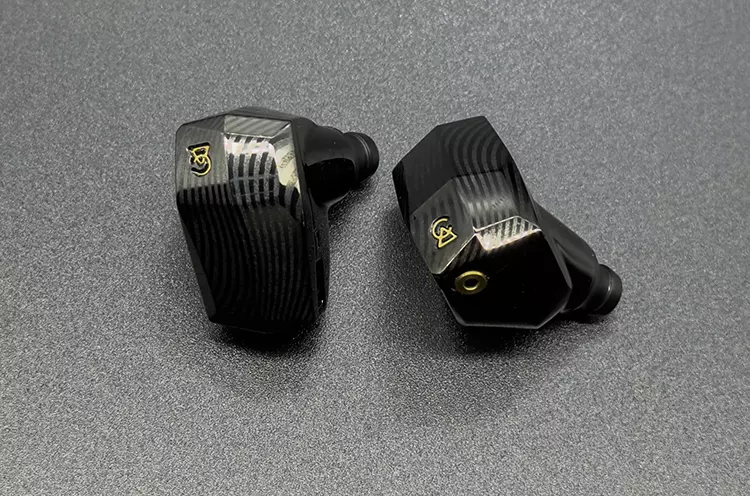
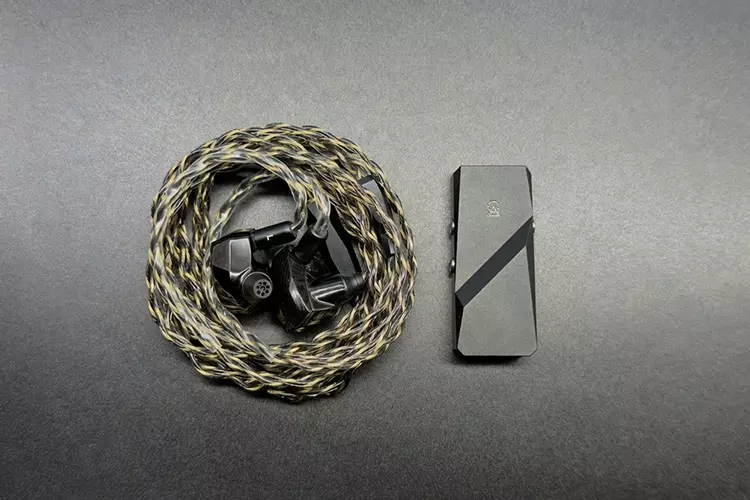
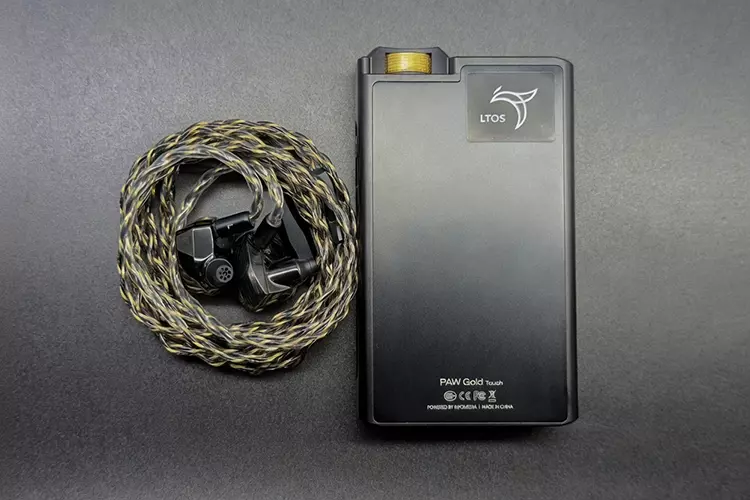
The following sound impressions of the Campfire Audio Andromeda 10 LE were completed using a mixture of my main source, the Lotoo Paw Gold Touch, and the Campfire Audio Relay Dongle. For the review, I paired the IEMs with the stock cable and Divinus Velvet ear tips, size L.
Summary
Andromeda 10 LE sounds like Campfire Audio went back to the core Andromeda idea and simply refined it. It is not a set that tries to wow you with brute force bass or a spotlight treble trick.
The appeal is in how balanced and “right” it feels once you settle in. The timbre is clean, the tonality is natural, and the whole presentation leans musical without turning warm or thick.
Bass is more mid-bass focused than sub-bass heavy. You get punch, definition, and good texture, but you do not get a deep rumble. The midrange has that subtle warmth and those well-lit edges on vocals and instruments that make everything feel musical.
Up top, treble sparkles without throwing glitter in your eyes. Cymbals splash, ride bells ping, hi-hats sizzle, but the splash dries before fatigue sets in.
Technically, Andromeda 10 is strong across the board. The stage feels naturally stretched with good width and depth. Imaging is confident, layering is solid, and it handles busy tracks well.
Overall, Andromeda 10 feels like a mature, musical tuning that still respects technical performance.
Bass
Andromeda 10’s low end is clearly built around mid-bass presence. You get that little lift that makes drums and bass lines feel upfront and tangible, without turning the whole presentation into a thick blanket. It has a confident punch to it.
The sub-bass is there, but it is not the star of the show. You will not get that deep, chesty rumble that some dynamic drivers massage your brain cells with.
It is more about presence than pressure and depth. You hear the foundation; you feel enough weight to keep things grounded, but it does not flood you with low-end air movement.
What I like is how clean the Andromeda 10 bass stays. The mid-bass boost never spills upward and does not cloud vocals or smear the mix.
Even when a track is busy, the bass notes remain well-defined. The note edges are crisp, and there is a neat separation between individual hits instead of everything collapsing into one low blob.
For a balanced armature bass, it has a nice balance between speed and natural decay. It is faster than a typical dynamic driver hit, but it does not feel overly dry or “tap tap done.”
There is a bit of linger to the notes, and the decay is not ultra-quick either, which helps it feel more musical and less mechanical.
Impact is controlled, but it is not weak. It hits with definition, stays tight, and keeps its shape even when you push volume.
It does not do that soft, pillowy warmth thing. It is more about a clean punch and tidy weight. It lets the rest of the spectrum breathe, and because it is not bloated, it leaves space for detail and texture to come through everywhere else.
Midrange
The Andromeda 10’s midrange tonality is just right. Vocals sound natural, instruments sound believable, and nothing feels like it is being pushed around to create fake excitement.
There is a clean timbre here, with only a tiny hint of warmth, just enough to keep things human. It never turns syrupy, never gets gooey, and does not rely on extra thickness to feel musical. It is that classic Andromeda thing, organic and easy, but still tidy and well-defined.
A well-behaved low end stays in its lane and does not smear into the midrange, so the vocals and instruments get their own space. Notes come through with good separation, and you do not hear that “midrange fog” that happens when the bass is too generous.
Lower mids are a touch lean, though. Male vocals can sometimes feel like they are missing the last bit of body and weight.
Strings and guitars still have texture, but you might find them slightly less thick than what you get on warmer and bassier sets. It is not thin in a bad way, and it does not sound anaemic, but it does lean more clean than rich.
There is a forwardness in the upper midrange region that makes female vocals sound nicely extended and clear. It gives vocals and lead instruments a clean outline. You get that clear articulation and a sense of “focus” in the vocal line.
The sense of space also helps the midrange feel mature. There is enough stage presence that gives vocals and instruments room to breathe. Resolution is strong too, so you hear small textures in vocals and strings without it sounding forced or hyper-etched.
Overall, it is a musical midrange and carries that Andromeda identity without trying to overdo anything.
Treble
Andromeda 10’s treble is clean first and sparkly second. It gives cymbals the right kind of metallic bite, that “brass meets air” sheen, without turning them into a splashy mess. You get clear leading edges on hi-hats and rides, and the notes pop out with good definition.
There is a noticeable lift in the presence of the treble that you feel almost immediately, but it is not the sharp, piercing kind. It stays controlled, and that control is the difference between “crisp” and “fatiguing.”
The treble has energy, but it is not edgy. Even on mixes that can get hot, it does not turn into a sword fight. Sibilance stays mostly in check, and cymbal crashes do not crumble into white noise.
If you do find it a touch too forward on your ears, tip rolling can calm it down easily. It is the kind of tuning where a slightly narrower tip can bring the sparkle down a notch without killing the clarity.
Air and sparkle are present in plenty. That openness comes through in the way reverbs hang in the background and how the stage feels “unblocked” up top.
It is not a very sharp and focused treble that tries to impress with incisive details. The notes are a bit rounder, slightly more fluid, and more musical and livelier than analytical.
The only thing I feel could be better is that on very dense, complex tracks, the treble can feel like it steps back a bit instead of staying fully upfront and clear.
That last bit of air and spacing could be slightly better. And this is just a nitpick, honestly. In the context of the whole tuning, it fits. It keeps things lively and open, but it does not hijack the sound.
Staging & Dynamics
The Andromeda 10 stages in a comfortable way. It is not trying to do that fake “ultra-wide” thing where everything is stretched out sideways, and the center goes hollow.
Instead, it feels naturally open in all directions. Width is solid, but what makes it feel more convincing is that you also get real depth and a nice bit of height.
Sounds do not sit on one flat line. Vocals and lead instruments hold their space up front, and background layers sit behind them instead of just getting quieter.
Imaging is sharp. You can follow small movements, panning, and little positional cues without it turning blurry.
Layering is one of its stronger points. You can tell Andromeda 10 is comfortable handling complex music. Instruments stay separated, and there is a clean sense of rows.
That said, I would not call the spacing perfect. It is well organized, but you can still feel that it could use a bit more air between layers when the mix gets really packed.
Micro-dynamics feel comfortable. It is the kind of set that keeps low-level detail alive. Small shifts in volume, subtle emphasis changes, little vocal nuances, and the soft decay after a pluck – all that comes through nicely.
Macro-dynamics are not the main flex here. Big swings do not slam as hard as some sets that lean on a stronger low-end shove. But it also means the presentation stays balanced and never turns into a blunt-force kind of sound.
Overall, Andromeda 10 feels technical in a quiet way. It is strong where it matters, it keeps things clean and layered, and it still leans musical first. It gives you the performance, but it is not screaming about it. It lands in a strong place among its peers for technical performance.
Synergy
Efficiency
The Andromeda 10 LE has an impedance of 8.5Ω at 1 kHz and a sensitivity rating of 94 dB @ 1 kHz @ 12.10 mVrms. And that’s sensitive for an IEM, like all the Campfire Audio IEMs are.
Throw in a decent source and get the fun started. Be it a mobile device, a laptop, or some dongles, Andromeda 10 LE will sing like it never asks for any power.
It will reveal the noise floor of the sources for you, so you need to keep that extra power in check. I would never bother to throw in an amplifier for Campfire Audio IEMs.
On my LPGT, the Andromeda 10 LE is comfortable at a volume level of 25, and 30 is the max level that I go for if I want those basslines to swing in with full dynamics.
It gets loud easily, so I am careful about the volume levels. A good, clean source is all it asks for. I would prefer to pair it with a neutral-ish source to enjoy that little warmth on the IEMs.
Source Pairings
LPGT is one of the perfect sources for the Andromeda 10 LE. It just works, and it never feels dull.
Details flow in easily, dynamics stay in check, and the midrange comes through neutral with no extra warmth added. Treble stays fluid and natural, nothing more or less than what you want. There is no sense of congestion either.
The low end gets just a bit of help, so bass impacts land more comfortably, and the contrasts in the track feel clear.
Vocals and instruments get enough space to breathe. It sounds natural, with no extra sweetening, and still carries that right touch of warmth and musicality.
Soundstage also feels naturally stretched, with good width and depth. Imaging feels confident and stable. Overall, it is a strong pairing and a synergy I can see myself using for a long time.
The Relay dongle from Campfire Audio is a versatile little thing, and it has a special synergy with their own IEMs. Alien Brain and Grand Luna pair very well with the Relay, and Andromeda 10 LE is no exception.
There is a subtle boost in the lower midrange that favors the IEM, giving extra body to strings and male vocals.
The rest of the spectrum stays balanced as-is. Detail retrieval does not disappoint at all, and you also get enough power to keep the dynamics feeling lively. Stage is open, and imaging stays strong.
Andromeda 10 LE does not pair quite well with the Questyle CMA18P. The DAC/amp has a noticeable hiss in the background, and once you are sensitive to the noise floor, it is hard to ignore. And for the same reason, I would not favor any powerful source for this IEM.
