

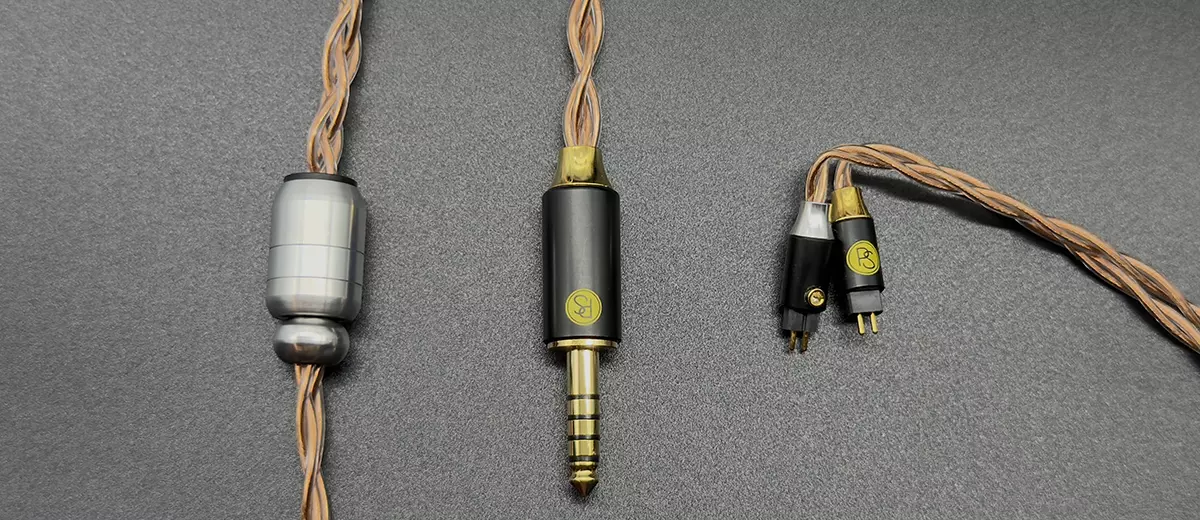
Nihal reviews the PLUSSOUND Copper Fusion Hybrid, a new mid-tier 25AWG copper+silver and copper+gold aftermarket audio cable for IEMs. It is currently priced from $499.00.
Disclaimer: I received this sample in exchange for my honest opinion. Headfonics is an independent website with no affiliate links. I thank the team at PLUSSOUND for giving me this opportunity.
Click here to read more about PLUSSOUND products previously reviewed on Headfonics.
This article follows our scoring guidelines, which you can read in more detail here.
For cable enthusiasts, PLUSSOUND has long been one of those easy go-to names. The brand has a very clear identity.
Even their more accessible releases carry that premium feel quite well. That balance between looks, handling, and performance is usually where PLUSSOUND strikes it right.
I have reviewed a few of their recent cables, such as Hybrid XL and Palladium Fusion Hybrid, and that has only reinforced the impression.
They always get the build part very accurate. The handling is straightforward. The structure feels robust. And the synergy with some of my IEMs has also been very enjoyable.
To mark their 14th year, PLUSSOUND has come out with a rather interesting cable. Interesting, not just because of the name, but also because of the configuration and the easy-going build it brings.
On paper, it already feels like a thoughtful release. In this review, I will be taking a closer look at what this cable really brings to the table, how it pairs with a few IEMs, and how it stands against some familiar names in its range, like the Effect Audio Code 23 MKII and Astral Acoustic Mars.
Material & Geometry
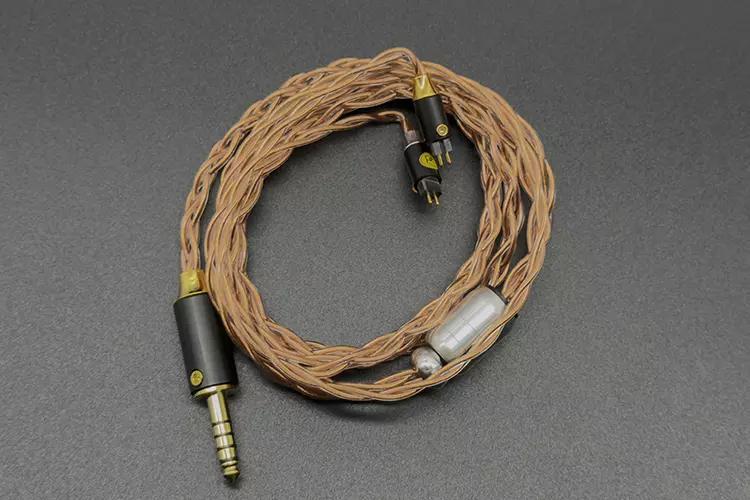
The Copper Fusion Hybrid has a fairly interesting configuration on paper. It brings together two different alloy mixes, copper with silver and copper with gold.
PLUSSOUND has used a 25AWG wire here, built with three separate layers and multiple strand sizes packed tightly together. There are no dampening cores in the structure either.
The outer layer uses both copper+silver and copper+gold alloys. The middle layer is made fully from copper and silver. Then the center layer uses copper+gold again, but this time with the largest diameter strands in the whole structure.
It is a proper tri-layer design and is structurally quite close to the flagship cable Palladium Fusion Hybrid, using the same coaxial-style Litz layout.
Each strand is enamel-coated, which helps reduce electrical irregularities and also keeps oxidation in check over time.
PLUSSOUND’s own PS insulation keeps the cable soft and easy to handle, which you can notice in daily use as well. The wire is also cryo-treated for better long-term stability.
On paper, Copper Fusion Hybrid’s configuration is built for speed, low resistance, and cleaner signal transfer with less distortion.
PLUSSOUND also claims better resolution, a more natural note body, cleaner highs, and a tighter low end. That all sounds promising. How much of it actually comes through in listening is where the real story begins.
Design
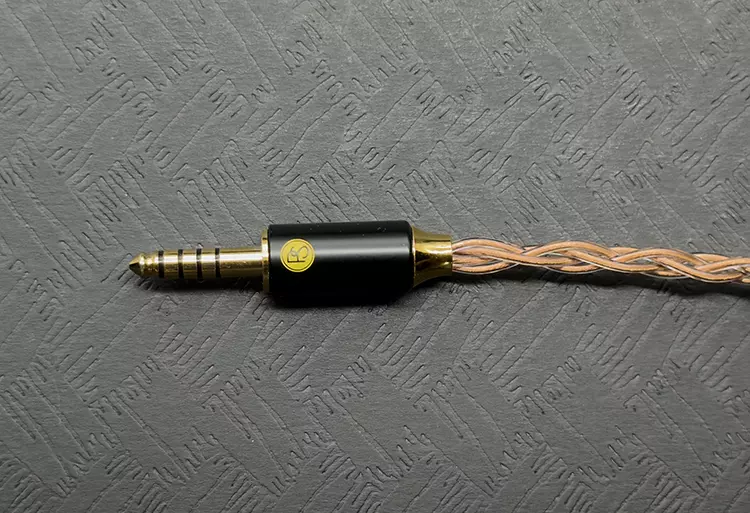
Design is one area where the Copper Fusion Hybrid makes a very quick impression. The hardware looks a lot more premium for the price point.
At the time of unboxing, I genuinely thought it was one of the premium cables. The finish gives off that kind of confidence. There are no signs of compromise here.
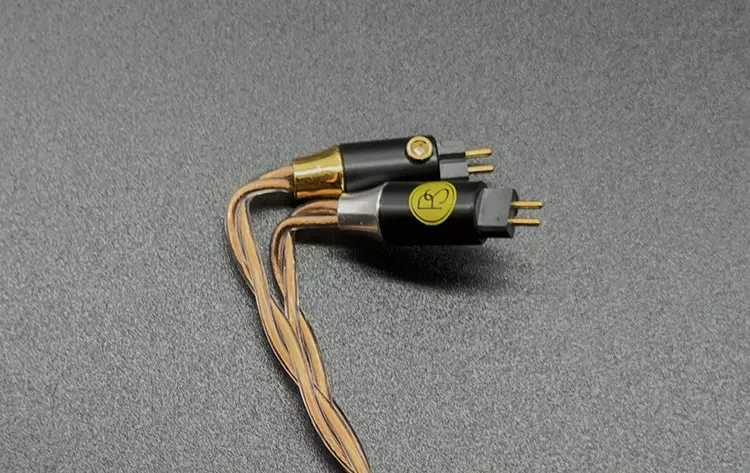
The Copper Fusion Hybrid’s adapter, the 2-pin connectors, and the Y-split all carry that same robust PLUSSOUND identity. It looks and feels like it comes from the same family as their pricier cables.
The Copper Fusion Hybrid cable is very supple in the hand. There is also a slight shine to the build because of the sleeve, and the conductors peeking through add a bit of visual charm.
The splitter’s rose gold surface gives it a refined appearance despite its slightly larger size and cylindrical barrel design. The silver cinch adds a pleasing contrast and works well with the overall hardware finish.
The 2-pin connectors keep the familiar black bodies. They feel solid and dependable. Left and right identification is also simple thanks to the different colored collars.
Overall, this cable screams PLUSSOUND with the same house feel and the same solid design language. It is a bit thinner, but the shiny finish makes it feel even more premium than what its price would normally suggest.
Handling
The Copper Fusion Hybrid’s handling is easy. It is thin and easy-going, and it does not bother you with its presence.
That is not to say it lacks enough meat on the bones. It still has character. It just feels super slim, intentional, and much easier to deal with.
It sits lighter and will not bother you the way a thick cable can at times. It also does not ask for any readjustments or interfere with the fit in the ears.
That slim factor feels properly designed, like they knew people looking for a cable at this price point would want to balance ease of use with performance. The first part has definitely been won here. If you are someone who avoids thicker cables, this one will click instantly.
In long sessions, Copper Fusion Hybrid feels just right. No pressure behind the ears, no stiffness, and no weird tension pulling at the IEMs. You put it on, and it basically disappears.
It is one of those cables you stop thinking about in five minutes. Even when you move around, it follows along quietly, without tugging or acting dramatically.
Storage is equally stress-free. It coils easily and does not fight back or tangle when you drop it into a case.
I personally keep looking out for thinner cables for exactly this reason. They are easier to live with, less fussy, take up less space, and just make premium IEMs feel more effortless.
For day-to-day use, Copper Fusion Hybrid gets full marks for handling. I am sure people are going to appreciate it a lot for these reasons.
Packaging & Accessories
The Copper Fusion Hybrid packaging is very PLUSSOUND, as it looks similar to what they offer with most of their cables. The good thing is that they have given fair treatment to the Copper Fusion Hybrid as well.
The cable arrives in the same tiny matte-black box. It is the same familiar palm-sized box, with no marketing paragraph screaming at you, and the PS logo stamped in the middle in a subtle gold tone. Opening the box, you get a card with the usual “designed and hand-assembled in Los Angeles” line.
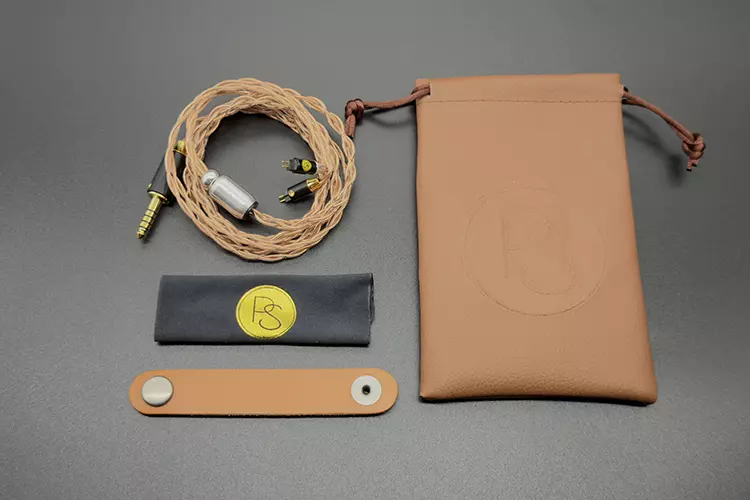
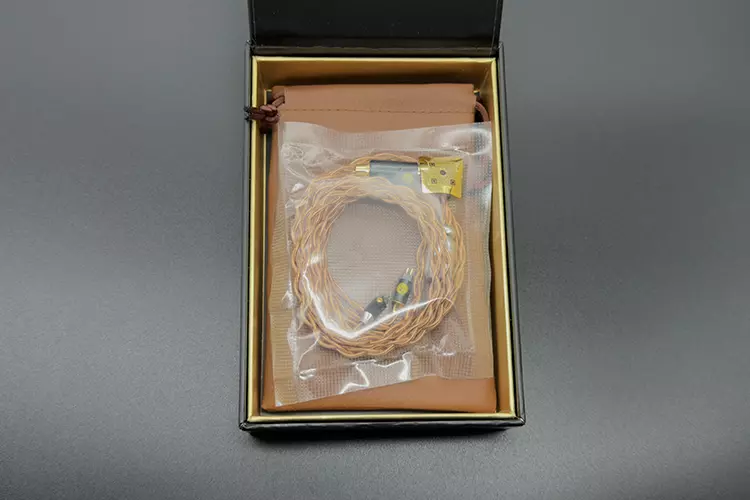
Inside, there is a long brown leather pouch that fits the length of the box. The cable is packed in a thin plastic packet along with other accessories placed around.
The leather pouch has a smooth, shiny appearance, with the PS logo stamped into the center. The stitching is clean. It is genuinely a nice pouch that you can use to store the cable. I wouldn’t recommend storing the IEMs with it, as there’s no real protection, and space is limited.
You also get small extras like a cleaning cloth and a thin leather strap to tie the cable once it is coiled. It keeps the whole presentation minimal, which I do like. I am not someone who enjoys a ton of foam and air-filled packaging anyway.
For the price, I feel the cable gets enough. Many other brands keep things barebones and do not add any accessories, so I appreciate PLUSSOUND here.
Performance Impressions
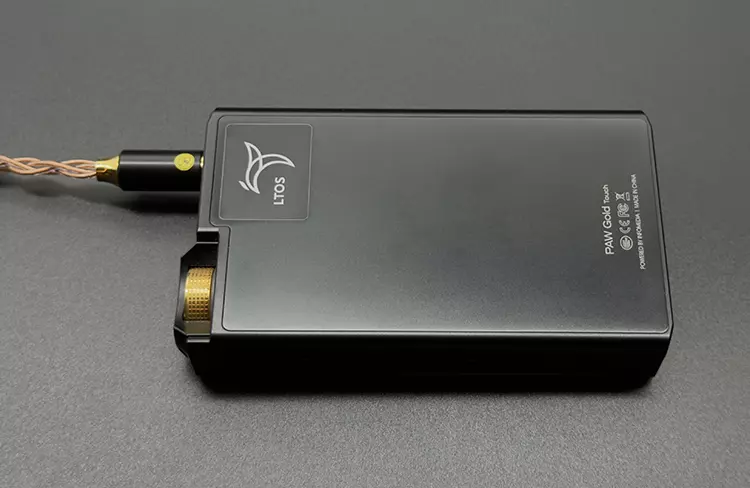
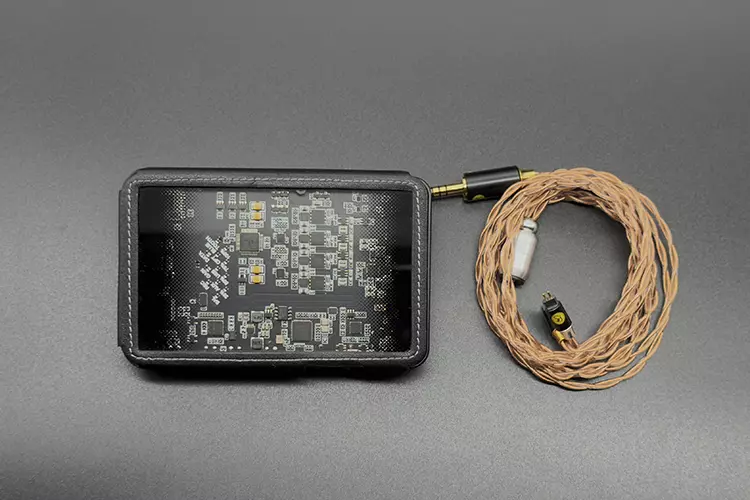
The following sound impressions of the PLUSSOUND Copper Fusion Hybrid were completed using LETSHUOER Cadenza 12 2024, BGVP Solomon, and THIEAUDIO Monarch MKIV, alongside my main source, the Lotoo PAW Gold Touch.
Summary
Copper Fusion Hybrid has a sound that leans clearly into copper’s natural strengths. You do get that familiar richness and body. Notes carry a bit more weight. There is a sense of tone density that makes music sound slightly fuller and a touch more grounded.
At the same time, the silver and gold elements do play their part. They help bring in a cleaner top end, a more polished finish to the highs, and a mild lift in perceived resolution. So, this is not a thick and overly warm kind of copper presentation. It feels more balanced than that.
What makes this cable easy to appreciate is how well it tends to pair across different signatures. Whether the IEM is already warm and full-bodied or slightly bright and energetic, the Copper Fusion Hybrid usually finds a way to add something useful without disturbing the base identity too much.
It does not try to force a dramatic shift. Instead, it works through smaller refinements. That approach helps a lot in real use.
The overall effect is a better balance and slightly stronger musical engagement. There is a bit more coherence to the mix. The presentation feels a touch more settled and complete. Along with that, the cable also brings some welcome improvements in technical performance.
Layering becomes a bit more organized. Separation, in particular, is a notable strength. This cable, overall, delivers a solid performance and works well with different sound signatures.
Timbre
Timbre is one of the nicer strengths of the Copper Fusion Hybrid. It does not try to repaint everything in a thick copper tone. None of that typical “copper blanket” sound.
Instead, it adds a bit more natural weight to notes and takes away some of that overly sharp or dry edge that can make a presentation feel less believable. The result is a tone that feels fuller but still clean.
There is also a subtle improvement in how instruments and vocals carry themselves. Notes feel a touch denser and more settled. Not heavier in a blunt way, but more complete.
That slight bit of added body helps the sound feel less skeletal and less clinical. It gives the overall presentation a more organic character.
Up top, the cable smooths out that leading edge just enough. The treble keeps its air and detail, but it stops being so brittle and pushy.
Cymbals sound more like refined metal, while strings have a sweetness instead of a scratchy aggression. All these little things add the missing bits of musicality. The energy’s still there; it just has better manners.
What ties it all together is the flow and coherence. The transition from the lower range to the midrange and treble is smoother and better connected. Nothing jumps out oddly. Nothing feels too lean or too hyped. It just breathes better.
Copper Fusion Hybrid brings a more natural flow to the sound, and that is what makes its timbral shift easy to appreciate over longer listening.
Staging & Imaging
The soundstage does not suddenly open up in a dramatic way with the Copper Fusion Hybrid. The change is more subtle than that. What it really does is make the space feel better organized. The stage comes across cleaner, with a more stable sense of placement.
Since you’re served with a slightly more detailed and textured low end, there is also a slight sense of improved depth, which helps the presentation breathe a bit better.
Imaging is where the effect becomes easier to notice. Elements within the stage sound more defined and easier to locate. If your IEMs are the type that draw intense, sharp outlines around everything, the cable eases that for you.
The outlines of instruments feel cleaner, and positions within the mix come across with better precision. It is not about making the sound sharper for the sake of it. It is more about making everything easier to read.
Same deal with layering and separation; it’s a quieter improvement, but it matters. The cable helps prevent notes from bunching up too closely, so different parts of the mix hold their own space better.
This gives instruments a bit more presence and stops the presentation from feeling overly compact. Busy passages sound more composed, and details come through with less effort.
These are small tweaks, sure, but they stack up to something that actually makes sense. The cable does not stretch the stage unnaturally or force extra air into the mix. Instead, it goes for better organization, clearer definition, and spatial cues that feel easier to connect with.
The result is just a tidier sound. More precise. Easier to just sit back and follow what’s happening without your brain working overtime.
Click on page 2 below for my recommended pairings and selected comparisons.
