

Synergy
Efficiency & Sensitivity
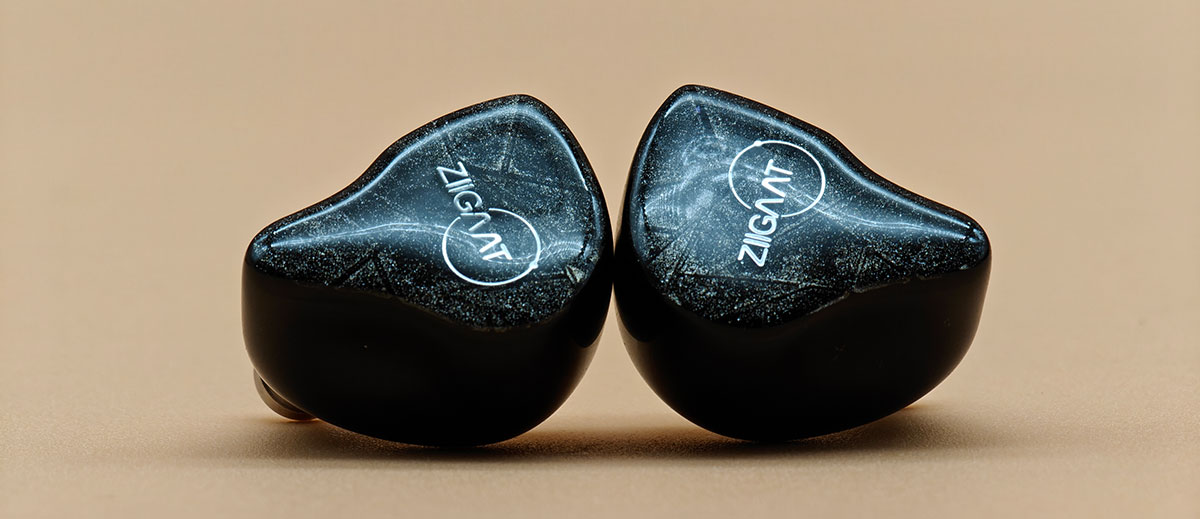
The ZiiGaat Lush has a sensitivity of 103 dB/Vrms and an impedance of 17Ω, making it an easy-to-drive hybrid IEM. It doesn’t demand extra power to perform well and works smoothly across a wide range of sources, even without going balanced.
It uses a standard 0.78mm 2-pin cable with a 3.5mm termination, which makes it compatible with most common sources. While there’s no modularity or included balanced options, the performance is already solid enough with the stock setup.
What stands out immediately is how consistent it sounds even at lower volumes. Bass remains present, vocals stay crystal clear, and treble still maintains a good level of sparkle without falling short.
Pushing the volume higher brings out more vocal texture and makes the midbass punch hit a bit harder. The overall sound doesn’t shift dramatically, but those subtle improvements give it a more expressive and engaging listen.
Pairings
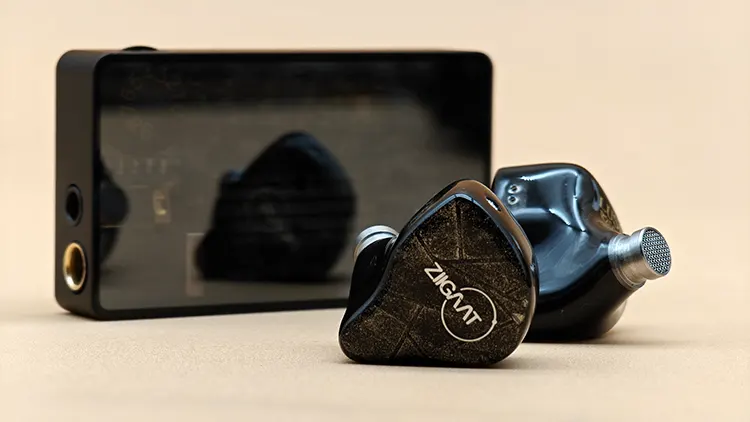
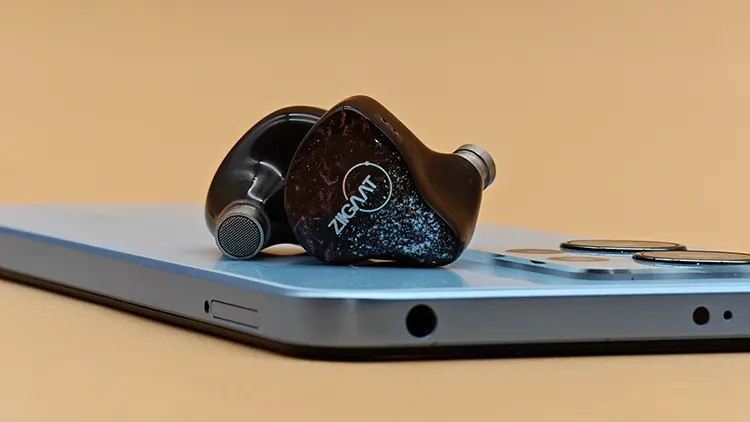
The ZiiGaat Lush is excellent at exposing not just bad track mixing but also the unique coloration of each source used with it. Using a phone with a 3.5mm jack keeps things completely neutral with little to no coloration.
With the FiiO JA11, the upper midrange becomes more forward, bringing out a noticeable energy in female vocals. This does introduce a sharper tone that can come off a little intense depending on the track.
Pairing it with the Colorfly CDA-M2 lifts the clarity across the board, revealing treble details that were otherwise buried. It also improves bass and vocal texture, making the Lush sound more analytical while still keeping its reference nature.
The HeartField R1 adds a slight midbass lift that thickens male vocals, giving them more weight. However, it also introduces a bit of midbass bleed that softens the Lush’s normally clean low-end.
Select Comparisons
ZiiGaat Odyssey
Technical
The ZiiGaat Odyssey is built around a 4-driver hybrid setup, consisting of a custom 10mm Topology Dynamic Driver and three Knowles balanced armatures.
Its dynamic driver uses a nano-coated diaphragm designed to improve bass control while keeping distortion low.
Midrange is handled by two Knowles RAF 32873 drivers known for stability and clarity, while treble is managed by a single Knowles RAD 33518 driver for smoother upper frequencies.
A dedicated crossover system ensures proper division of labor, keeping transitions cohesive across the range.
Design
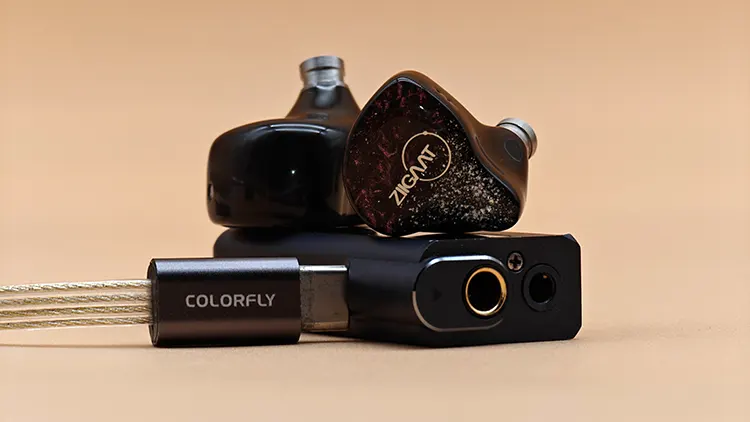
Visually, the Odyssey takes on a more expressive design with its red-and-silver glitter faceplate resembling a swirling nebula. The black resin shell is smooth and ergonomic, shaped to offer a natural and secure fit with no noticeable discomfort.
Despite its multi-driver layout, it stays lightweight and wearable for long sessions. Gold product IDs on the inside double as L/R markers, and the larger-than-average vent near the 2-pin connector prevents pressure buildup during extended use.
Performance
The Odyssey carries more bass weight overall, with both subbass and midbass hitting harder than the Lush. This makes it sound fuller and more engaging at first listen, though it comes with added warmth and bloom in the lower end.
Compared to that, the Lush keeps the bass in check, offering a cleaner and more disciplined response. Punchiness and kicks land faster and decay quicker, giving the low-end better definition and preventing it from spilling into the rest of the mix.
Midrange on both IEMs leans natural, but the Lush feels more grounded with its added note weight and warmth. Guitars and male vocals in particular carry more body, while the Odyssey thins this area slightly to make space for its elevated bass.
Vocals are positioned more forward on the Odyssey, sounding livelier with a touch of extra air. The Lush tones this down, delivering a smoother vocal presentation that stays balanced without introducing any breathiness.
Treble is where their character starts to diverge. Both avoid sibilance on clean recordings, but the Lush is more revealing and honest in how it presents poorly mixed tracks, while the Odyssey softens and smooths out those flaws.
Staging on the Odyssey feels wider due to its contrast-heavy tuning, creating a sense of space that feels more stretched. The Lush may not feel as wide, but it compensates with more precise imaging and better separation, especially in layered passages.
Dynamics also show a clear difference. The Lush holds its balance well at all volume levels, while the Odyssey’s bass can feel dependent on being played louder to fully come alive.
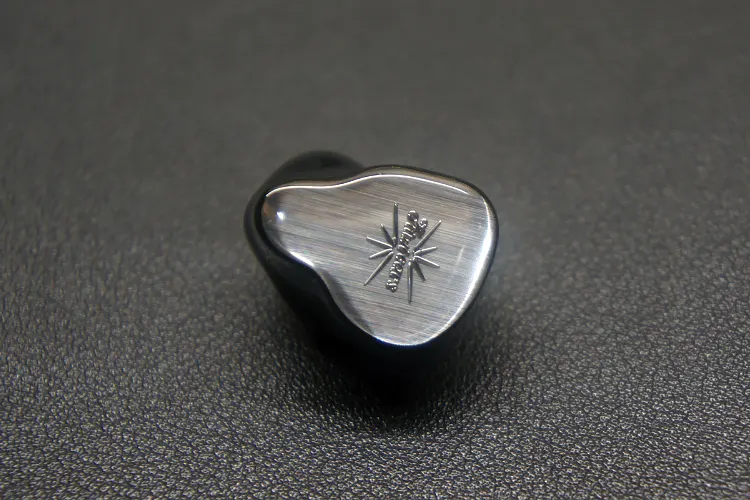
Kiwi Ears KE4
Technical
The Kiwi Ears KE4 uses a 4-driver hybrid configuration, featuring two dynamic drivers in an isobaric setup for the bass and two Knowles RAD 33518 balanced armatures for the mids and treble.
These drivers are configured using a precision 3-way passive crossover, with each having a dedicated sound tube to reduce distortion and improve clarity.
Kiwi Ears tuned the KE4 to match their updated house target, emphasizing strong subbass presence and a warm midrange character. The balanced armatures aim to preserve organic timbre and offer a smooth upper-end presentation without harshness or peaks.
A 3-way passive crossover system is used to ensure the transitions between frequencies are smooth and free of distortion. This setup keeps the bass, mids, and treble working together in harmony without one overpowering the others.
Design
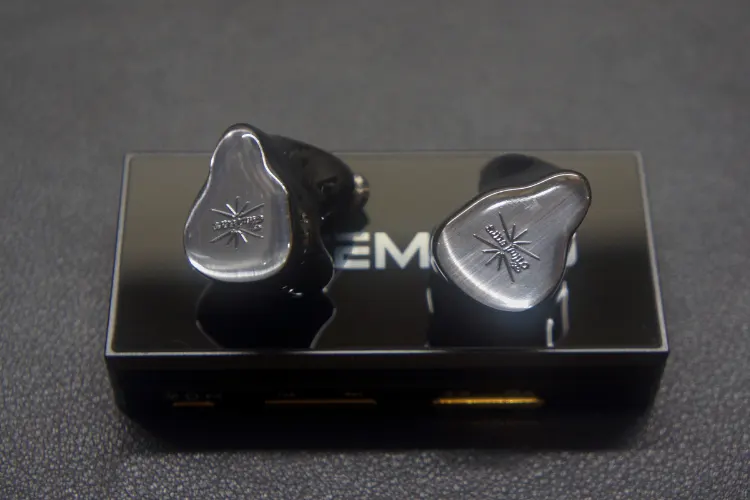
The shell of the KE4 is made from a single-piece 3D-printed medical-grade resin that’s both glossy and seamless in construction. While the shell appears black and opaque at first glance, proper lighting reveals the inner dynamic drivers tucked inside.
Its faceplate features a brushed aluminum design sealed beneath the resin layer, adding durability while maintaining a refined aesthetic. The silver Kiwi Ears logo sits squarely in the center, giving it a clean but polished identity.
Performance
The KE4 immediately sounds more bass-boosted, with both its subbass and midbass being more elevated than the Lush. While it gives a rounder and more powerful thump, it also makes the low-end feel thicker and more colored, especially in extended listening.
The Lush is tighter and better defined in the bass. It pulls back the excess weight, making instruments like bass guitars and drum hits sound more textured and less bloated without removing the energy entirely.
In the midrange, both keep vocals clean and natural, but the Lush pulls slightly ahead with better note density in male vocals and instruments. The KE4 remains clear, though the slight dip in its lower mids makes it feel thinner and more relaxed overall.
Female vocals feel more forward and energetic on the KE4 due to its elevated upper midrange, but that extra push sometimes brings glare or fatigue in sharper recordings. The Lush avoids this with a smoother and less peaky delivery, making it easier to listen to for longer sessions.
Treble is where the two diverge more noticeably. The KE4 is slightly more aggressive, which helps it sound livelier and spacious but also more prone to highlighting sibilance and sharpness in certain tracks.
The Lush stays more neutral and controlled in the highs, offering better refinement and balance. It doesn’t pull the same artificial brightness to create space, but makes up for it by sounding more natural and coherent across the board.
Staging is more open on the KE4, with a stronger contrast between left and right. However, the Lush has more precise imaging, especially in layering and separation, where it keeps elements from overlapping even in busier tracks.

My Verdict
The ZiiGaat Lush delivers a coherent and refined tuning that avoids unnecessary coloration while still sounding engaging and complete. Its natural midrange, controlled bass, and smooth treble make it an IEM that performs without relying on gimmicks or artificial peaks.
Despite its small quirks, such as driver flex and subpar accessories, its sound quality and consistency carry the experience. The Lush easily stands as one of ZiiGaat’s most well-executed reference-style and studio-grade IEMs to date.
ZiiGaat Lush Technical Specifications
- Driver Type: One (1x) 10mm PET diaphragm dynamic driver, and four (4x) custom balanced armature drivers
- Plug: 0.78mm 2-pin with 3.5mm termination
- Frequency Response: 20Hz – 25kHz
- Impedance: 17-ohms @ 1kHz
- Sensitivity: 103 dB/Vrms
