

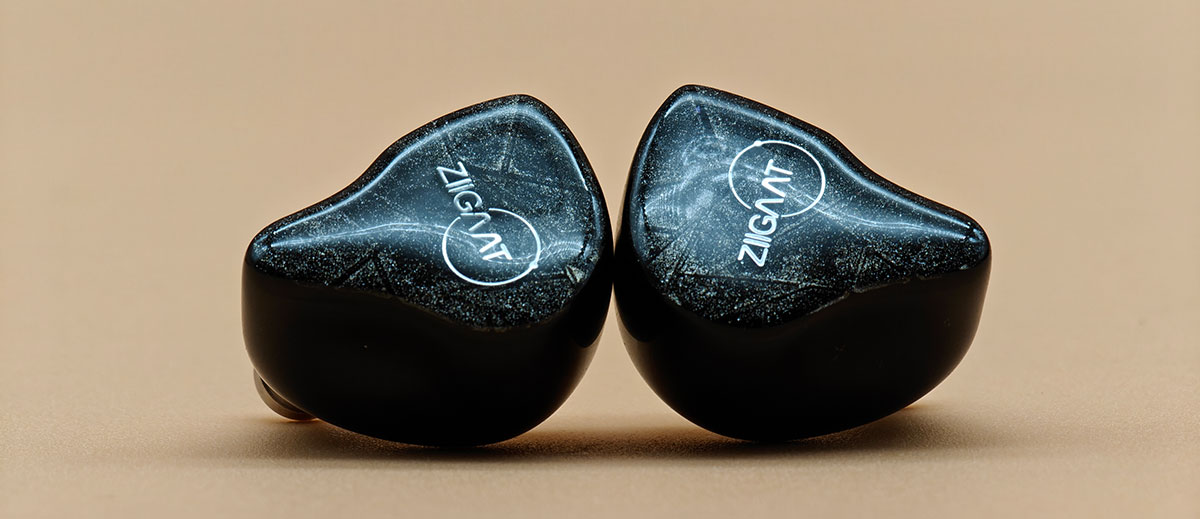
In this feature, Kurt reviews the ZiiGaat Lush, a single 10mm dynamic and quad BA driver hybrid universal IEM designed for studio professionals. It is currently priced at $179.
Disclaimer: This sample was sent to me in return for my honest opinion. Headfonics is an independent website with no affiliate links or services. I thank the team at Linsoul and ZiiGaat for giving me this opportunity.
Click here to read more about ZiiGaat products we have previously reviewed on Headfonics.
This article follows our latest scoring guidelines, which you can read in more detail here.
ZiiGaat has firmly established itself as a brand known for delivering consistently high-quality IEMs, especially after the acclaimed success of the ZiiGaat Odyssey.
Each of their IEMs offers its distinct charm while maintaining exceptional sound performance and premium build quality.
Now, ZiiGaat introduces the Lush, an IEM designed with a more reference and studio-oriented sound signature, featuring an additional balanced armature driver compared to the Odyssey at a similar price point.
Will the Lush uphold ZiiGaat’s impressive legacy of outstanding releases? I found out in my full review below.
Features
The ZiiGaat Lush features a 5-driver hybrid setup, combining one 10mm PET diaphragm dynamic driver with four custom balanced armature drivers. The dynamic driver serves as a dedicated subwoofer, providing a precisely tuned 9 dB bass boost at 20 Hz.
Handling the midrange from 200 Hz to 1 kHz are two custom composite balanced armature drivers. These drivers focus on neutral reproduction of vocals and instruments, aligning with ZiiGaat’s reference and studio-grade tuning goals.
The remaining two balanced armature drivers function as dual tweeters dedicated to upper treble frequencies. They are specifically designed to capture micro-details and subtle nuances without introducing peaks or dips.
The Lush uses a three-way passive crossover network and is rated at 17 ohms with an SPL of 103 dB/Vrms, making it an easy-to-drive hybrid IEM.
Design
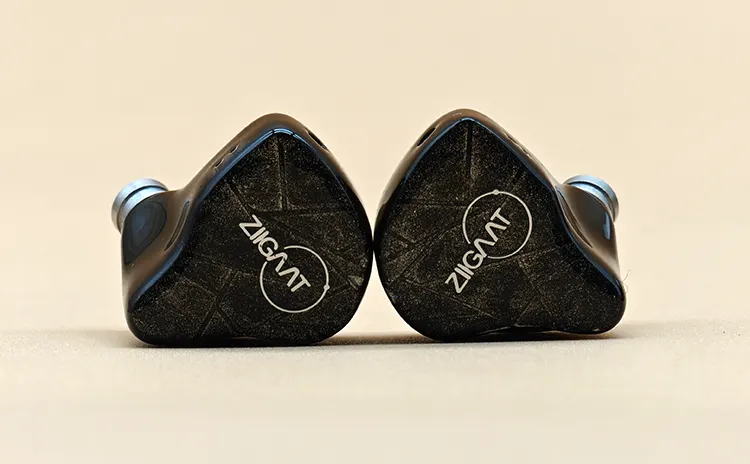
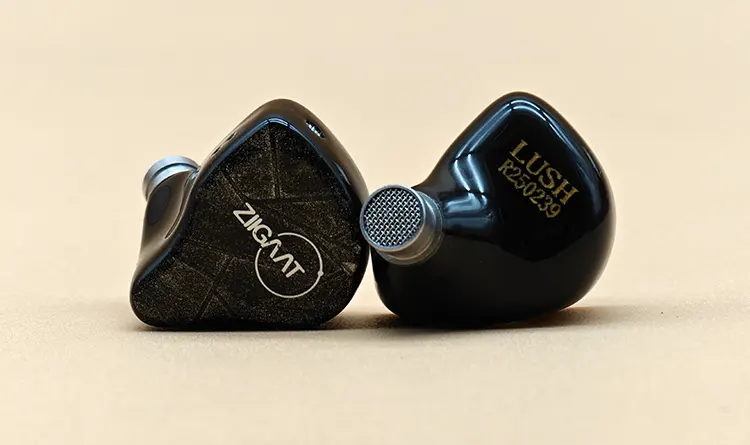
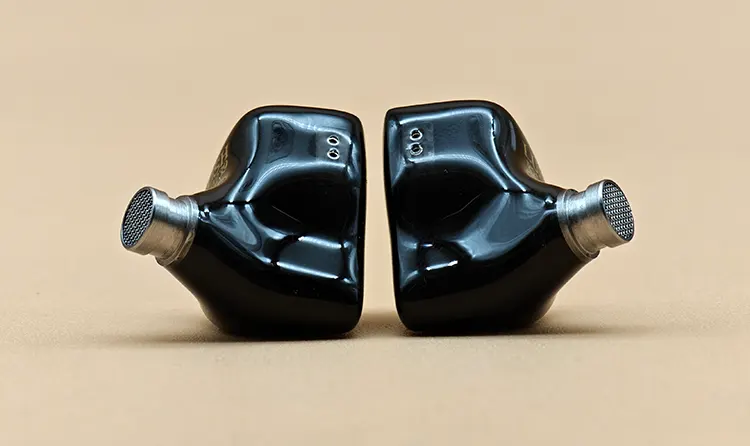
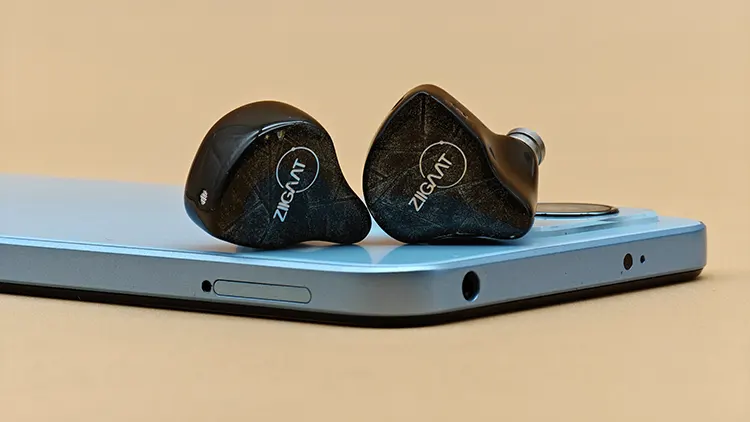
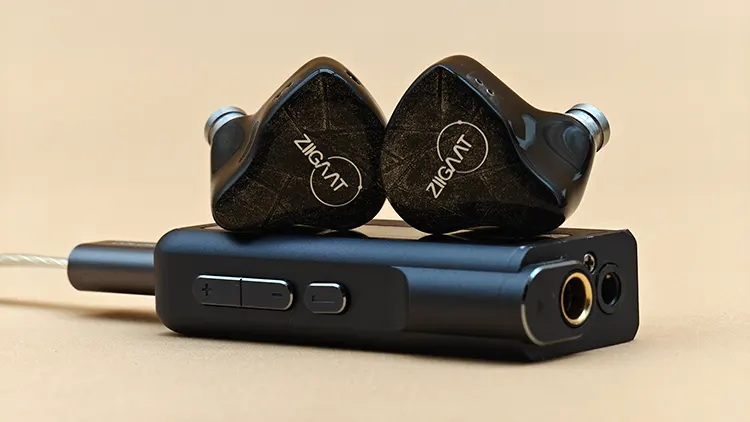
The faceplate of the ZiiGaat Lush resembles polished black granite, its surface crossed by delicate metallic-gray veins that glimmer subtly under the light. A crisp white ZiiGaat logo sits at the center, contrasting neatly against the elegant stone-like backdrop.
The shell is made from glossy black medical-grade resin, shaped with a smooth, rounded form that entirely hides the hybrid driver setup inside. Its uniform, minimalist design remains free of sharp angles or additional textures, emphasizing a clean aesthetic.
On the inner side, gold-printed markings display the word “LUSH” alongside a unique serial number. These markings also serve as convenient left and right indicators, clearly denoted by “L” and “R” prefixes for easy channel identification.
Each earpiece features a short silver nozzle fitted with a fine mesh grille, keeping out debris and earwax, along with a lip to handle all ear tips. A single, notably large vent is placed near each connector, effectively balancing internal pressure and ensuring comfort.
Recessed into the acrylic shell are the standard 0.78mm two-pin connectors, housed within a transparent plastic mount. Although the connectors lack visible color-coding, their secure and sturdy design helps prevent accidental loosening or damage.
Comfort & Isolation
The ZiiGaat Lush has a fairly standard-sized shell, shaped ergonomically to comfortably follow the contours of the ear. Its slightly elongated appearance can make it seem bigger than it is, though this doesn’t negatively affect its fit or perceived weight.
One noticeable drawback I found with the Lush is the driver flex inside the shell whenever the faceplate is pressed. This noise can become bothersome during fit adjustments and raises some concerns regarding the IEM’s durability over time.
Despite the driver flex, the overall wearing experience with the Lush remains highly comfortable. Its smooth, rounded, and lightweight build makes extended listening or gaming sessions fatigue-free and enjoyable.
However, it isn’t ideal for bedtime listening, as head movements easily trigger the driver’s flex, causing distracting sounds. For portable or active use, its virtually weightless feel makes it an excellent companion.
Isolation performance is only average, with ambient noises easily making their way into the ears, even after experimenting with different ear tips. Due to the driver flex issue, using the Lush as earplugs to block external sound also isn’t recommended.
Ear Tips
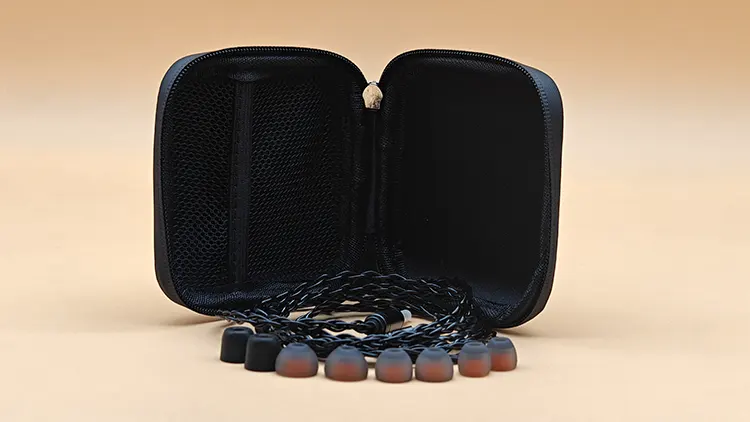
Like the Odyssey, the ZiiGaat Lush includes the same silicone and foam ear tips. Silicone tips come in one set of small, medium, and large sizes, while the foam tips are provided in a single large pair.
The silicone ear tips have been upgraded this time around, featuring a softer orange stem compared to the previous versions. This improvement allows the tips to adapt more naturally to the ear canal rather than maintaining a rigid shape.
The foam tips offer a familiar experience, identical to those from earlier ZiiGaat releases. They comfortably mold to the ear canal, providing a secure and stable seal similar to the silicone tips.
In terms of sound impact, the silicone tips remain largely neutral, not adding any significant coloration. The foam tips, however, noticeably reduce the bass impact, making the low-end feel leaner and less pronounced.
Stock Cable
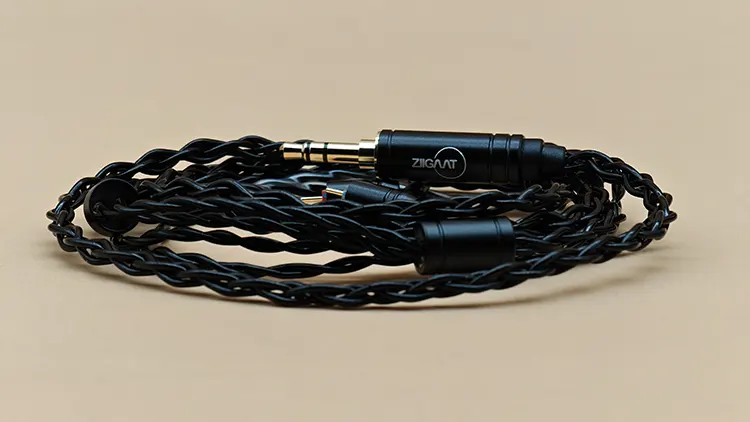
Unfortunately, ZiiGaat hasn’t upgraded the stock cable for the ZiiGaat Lush, sticking with a basic black design that doesn’t match its competitors’ stock cable. The cable feels thin and plain, also missing out on modularity for balanced 4.4mm connectivity.
The only branding present is on the 3.5mm connector, which sports the ZiiGaat logo. The cable uses four thin braids that neatly split into two strands for the left and right connectors.
Connecting the cable is straightforward thanks to clearly marked connectors, with red for right and blue for left. Despite its plain design, the cable complements the lightweight build of the Lush, never feeling cumbersome during daily use.
Packaging & Accessories
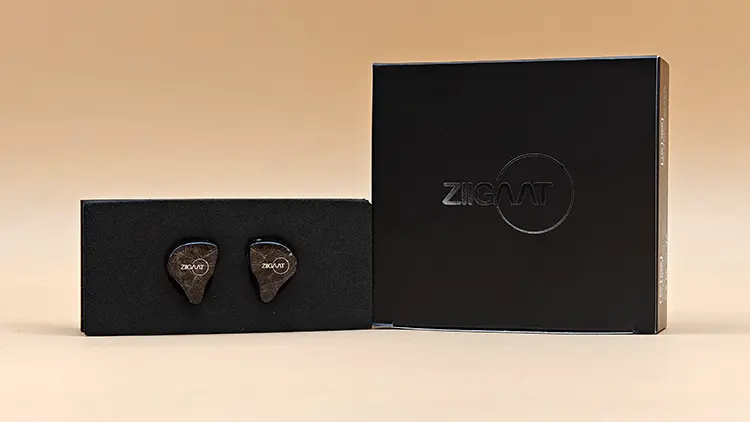
The ZiiGaat Lush arrives in packaging prominently showcasing the Lush on the front, set against a sleek black background accented by abstract wave patterns.
Inside the box, the Lush is securely positioned in foam cutouts, prominently displaying their distinctive faceplates. Just beneath them, another black ZiiGaat-branded box holds the remaining accessories.
Within this accessory box, a zippered carrying case with a faux-leather texture and discreet hidden zipper houses the included ear tips and stock cable. While visually appealing, the hidden zipper design can sometimes be difficult to open.
The included ear tips comprise small, medium, and large silicone tips, and a pair of foam tips. The stock cable is neatly coiled inside the carrying case, but no additional accessories are provided, such as adapters or dongles.
Sound Impressions
The following sound impressions of the ZiiGaat Lush were completed using a mix of the Heartfield R1 and Colorfly CDA-M2 dongle/DACs.
Bass
The ZiiGaat Lush leans into a more reference-oriented approach, emphasizing control and cleanliness rather than outright slam. It avoids exaggerated low-end coloration, which gives it a mature and composed subbass presentation that remains present without stealing the spotlight.
Subbass reaches deep enough to give tracks a natural rumble when needed, but it never aims for a booming impact or weight. There’s just enough elevation to provide texture and presence, letting it blend seamlessly into the mix without sounding overly lean.
Midbass is similarly well-managed, offering a rounded sense of punch that adds body without disrupting balance. It avoids midbass bloat or smearing, allowing drums and bass guitars to retain clarity while still sounding full.
The bass speed is one of the more notable characteristics here, with a quick decay and a clean attack that reminds me of how planar IEMs respond. It doesn’t linger or bloom, which helps it keep pace in busy tracks while preserving Lush’s controlled approach.
Mids
Magic happens in the midrange of the ZiiGaat Lush, where its natural timbre and neutral tonality come together with impressive smoothness. It manages to stay engaging without pushing the vocals too far forward or making the presentation feel fatiguing.
The lower midrange is handled with care, giving male vocals and instruments the right amount of body to avoid sounding lean or muddy. It keeps a balanced warmth without being too thick, preserving its neutral character while still sounding musical.
Female vocals are where it pleasantly surprises, retaining clarity and detail without sounding shouty or sharp. Despite not being forward, they remain engaging and clean, tuned just enough to stay clear in the mix without grabbing too much attention.
There’s no odd coloration or unevenness across the midrange, giving both vocals and instruments a natural and coherent sound. True to its name, the Lush delivers a smooth, mellow midrange that blends well with the rest of the tuning while standing out in its refinement.
Treble
Most hybrid IEMs tend to underdeliver in this region, but the ZiiGaat Lush breaks the pattern with a treble that’s clean, extended, and airy. It avoids sounding rolled off while offering good detail retrieval and enough sparkle to keep the tuning from feeling too safe or dull.
Its reference-style tuning means the treble is revealing, exposing poorly mastered tracks with noticeable ease. While it’s generally free of sibilance, that neutrality means any harshness in the recording itself becomes apparent.
There’s no unusual emphasis in the upper registers, allowing the treble to stay smooth and well-behaved without artificial shimmer. It walks a careful line, never too bright or too veiled, and maintains balance across the upper harmonics.
Hi-hats and cymbals come through with crisp definition and accurate tone, giving a satisfying bite without becoming sharp. Pianos, strings, and other upper-register instruments retain a realistic energy, sounding lively while staying firmly grounded in control.
Staging & Dynamics
Staging on the ZiiGaat Lush is above average but not standout, offering a slightly wider and deeper space than most in its price range. It doesn’t feel closed-in, but it also doesn’t push for that out-of-head experience that some might expect.
There’s minimal vertical layering, with little sense of height or elevation in how elements are placed. Still, the imaging is clean and precise, placing vocals and instruments exactly where they should be without any noticeable gaps or overlaps.
What elevates the Lush here is its excellent separation, keeping each sound distinct no matter the track’s complexity. The layering feels natural, with no muddiness or congestion even in more chaotic mixes.
Its dynamic control is also well executed, holding a consistent tonal balance across volume levels. Whether listening quietly or loud, the bass, mids, and treble stay cohesive and never step on each other.
Click on page 2 below for my recommended pairings and selected comparisons.
