

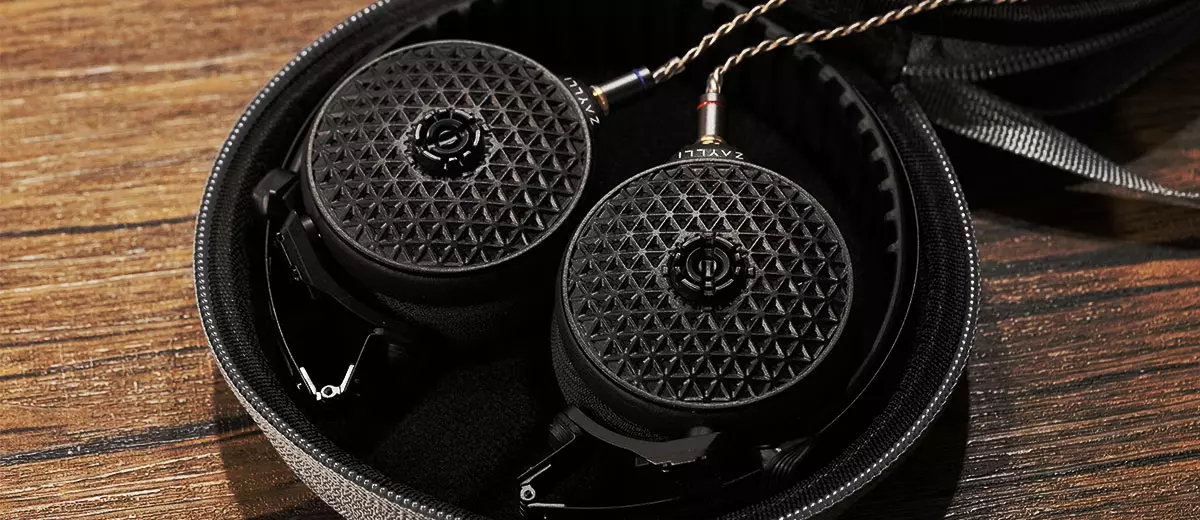
Synergy
Efficiency
At 32Ω impedance with an SPL of 111 dB/mW, my experience suggests that the LYRÖ is moderately sensitive.
With its rigid driver membranes, it delivers clean attacks even when powered by laptops and small dongles. As power increases, the bass gains more punch and fullness, while the vocal gets a bit more forward and forceful.
In terms of noise, it’s largely manageable. The LYRÖ doesn’t pick up much noise, especially when listening outdoors, where you will hardly notice any hissing.
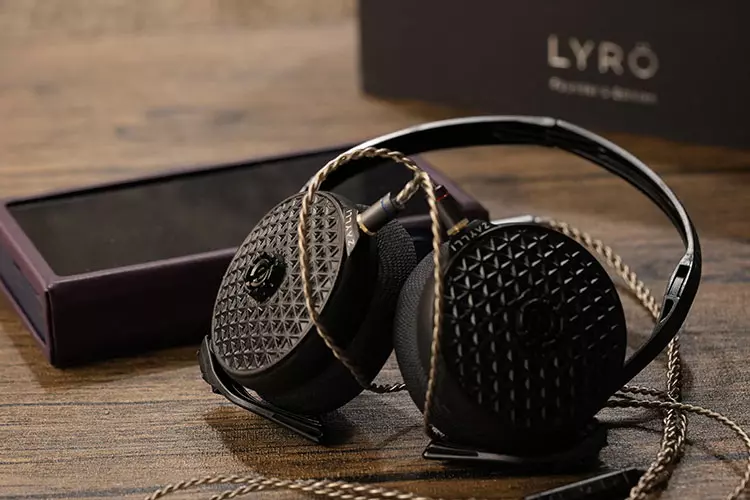
Pairings
Both sound signatures on the LYRÖ are naturally balanced, allowing it to pair well with a variety of gear without skewing towards both ends of the audio spectrum.
Notably, the LYRÖ handles power effectively, particularly in the bassier tuning profile, where the bass achieves a firmer attack and the more rounded treble gains energy at higher gain levels. With increased power, it feels less dampened and opens for more air.
When paired with the Warmer R2R and K17 combo, the Diffuse Field tuning offers a soothing and natural output together, while the other mode may present a slightly bloated vocal image.
The mids feel smooth and nicely elaborated on this pairing, and it feels like the LYRÖ can be quite responsive to sources.
With stronger decoding power or a faster, cleaner amplifier using the Chord Electronics Mojo 2 and the Luxsin X9, it gets more controlled with more precise positioning. The treble gets crispier and clearer as the bass slims down and sounds firmer, and more articulated in the mids.
Overall, the LYRÖ remains dynamic and defined across various sources, delivering enjoyable performance even with less powerful setups. It also has the potential to scale, sounding firmer in attack and with better layering, with more power.
Selected Comparisons
ROSESELSA Distant Mountain
Technical
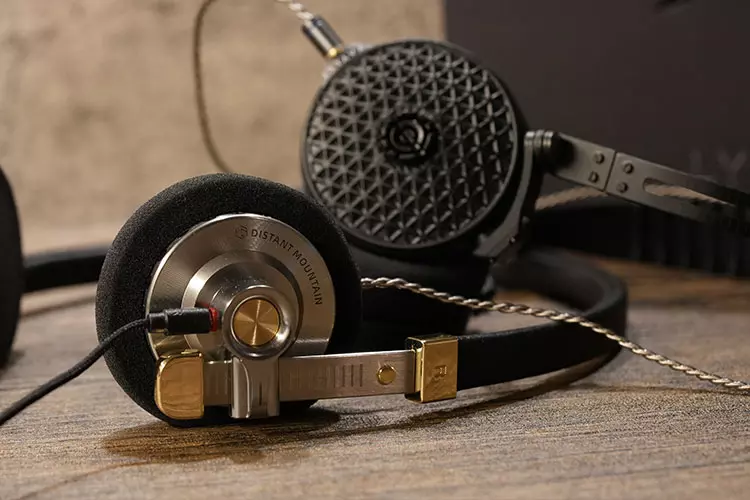
The ROSESELSA Distant Mountain is a popular and affordable on-ear option, which is why I decided to purchase a pair for myself.
It features a 40mm driver, has an impedance rating of 32Ω, and boasts a sensitivity of 115 dB/mW, making it easy to drive and responsive to higher gain levels.
Design
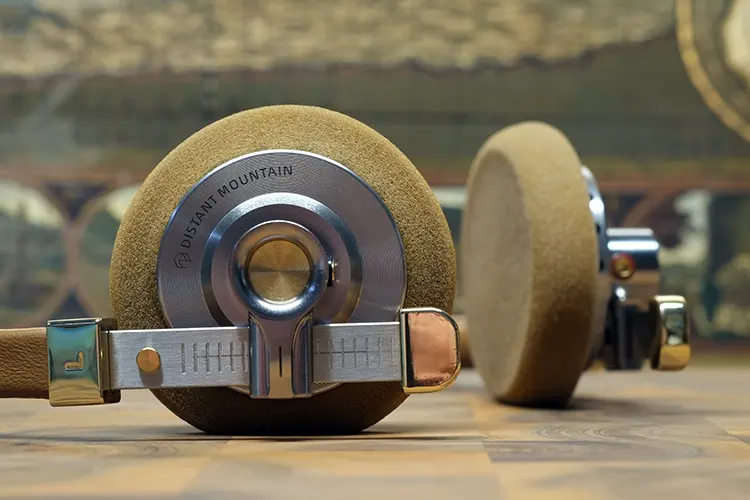
The retro design and glossy machined metallic parts are likely why the Distant Mountain is so popular. In comparison, the LYRÖ presents a stealthier look with its darker paint job, while there is also an alternative colorway in white.
In practice, the LYRÖ fits more comfortably, as its earcups can swivel freely, unlike the fixed earcups of the Distant Mountain. The pads on the LYRÖ are also noticeably softer, pressing against the ears with lighter force while providing a superior seal.
Considering the price, the Distant Mountain is still a great choice, but for longer listening sessions, the LYRÖ clearly offers better comfort, regardless of the wearing mode.
Performance
The style, design, and leaky pads contribute to the somewhat stereotypical sound of the Distant Mountain, which adds brightness to the upper vocal range and causes it to heat up quickly with higher gain.
When powered by weaker sources, the Distant Mountain compensates for its lack of power with slightly elevated bass and richness, offering good clarity across most pairings.
However, the LYRÖ delivers a more natural tone and articulates bass more swiftly, resulting in a more realistic and defined positioning of instruments, and more separated and distinctively positioned vocals.
Additionally, it handles sibilance more effectively and has a gentler roll-off, especially with the Diffuse Field mode.
At lower volumes, the LYRÖ clearly delivers stronger power in the bass as well as vocal separation; detail retrieval is also superior at both ends of the spectrum.
While I still consider the Distant Mountain a solid option given its design at its price point, the LYRÖ is the clear winner in terms of technicality, timbre, and comfort.
Final UX3000
Technical
There are few headphones I can directly compare to the LYRÖ, as its open-back design and compact form factor are hard to rival.
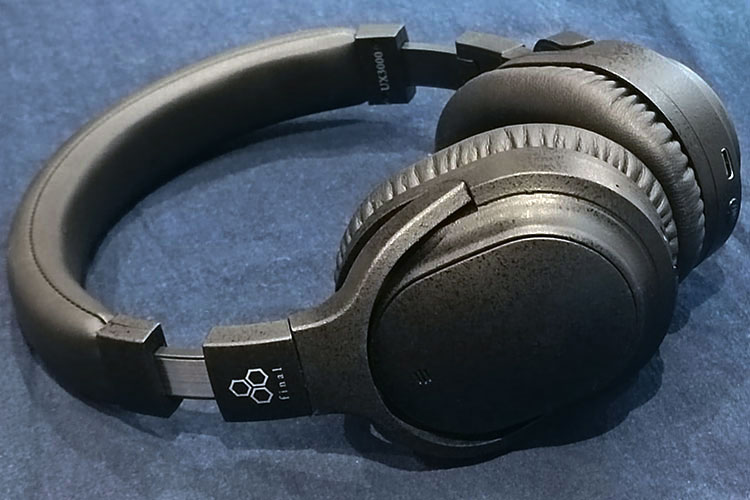
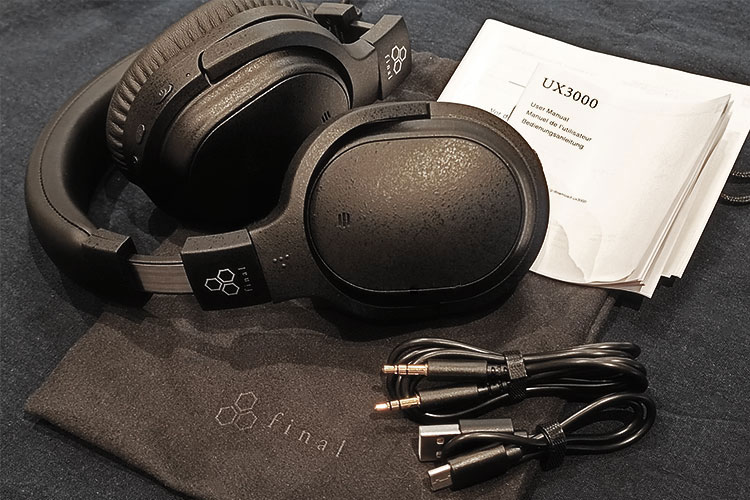
My AKG K450 has long been disposed of, so I decided to compare the LYRÖ with the Final UX3000 portable wireless headphones, which I used to take to the library and coffee shop, and it is what I consider to be a nice portable headphone option.
The UX3000 features a convertible design that allows it to be wired via a 3.5mm socket, which is nice when you run out of power.
In terms of specifications, the UX3000 is equipped with a 40mm dynamic driver, quite common among wireless headphones.
It has an impedance of 32Ω and a sensitivity of 103 dB/mW, which isn’t particularly responsive to power. However, when used wirelessly, it incorporates an amplifier with the receiver and may leverage DSP to enhance tuning and smooth out flaws.
Both the LYRÖ and UX3000 are practical choices for outdoor use, and I will share my experience comparing them below.
Design
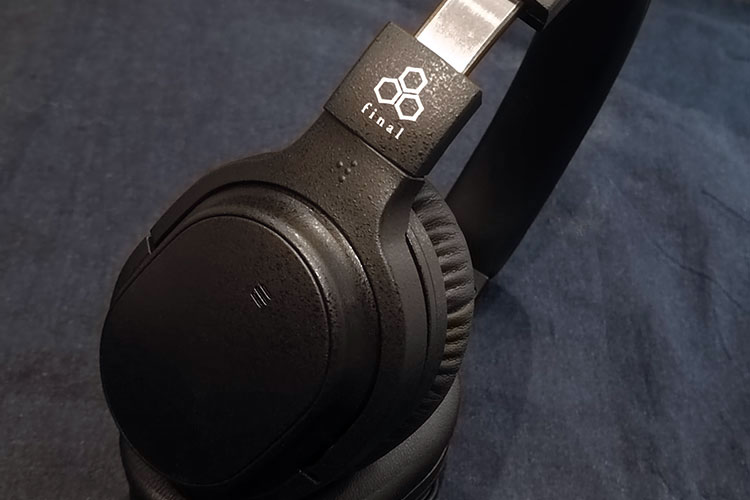
The LYRÖ clearly offers a lightweight, compact design that doesn’t strain the head and can be easily removed from the ears for conversations. In contrast, the UX3000 provides a stronger seal and isolation, along with the convenience of a wireless connection.
A unique feature of the LYRÖ is that, with the neckband, you can comfortably wear a cap or helmet, adding to its flexibility, and either wearing mode feels much lighter than traditional headphones, which are much bulkier.
However, the LYRÖ may leak more sound to the surroundings when used in very quiet environments.
Considering form and sound quality, the wired LYRÖ proves to be more space-friendly and higher in quality when paired with a relatively powerful Bluetooth dongle like the FiiO BTR15, and there is room to scale with stronger sources.
And when paired with phones or a less powerful laptop output, the UX3000 may sound more dynamic and detailed.
Performance
The price points for the LYRÖ and Final UX3000 are quite similar, and both feature unique attributes.
In terms of absolute performance, the UX3000 benefits from AptX and works well even when paired with a weak source, while the LYRÖ is more dependent on the pairing.
When powered by a strong DAP like the Shanling M7T, it demonstrates a significantly higher upper limit despite its smaller size. At high volumes, the LYRÖ also performs better in terms of distortion control, dynamics, and overall clarity.
In terms of tone, the UX3000 sounds clear and dynamic on the road, remaining free from sibilance. However, when compared to the LYRÖ, the latter offers superior vocal authority and weight, providing more punch in the lows while sounding more open in the highs.
The trade-off is slightly diminished isolation, but at higher listening volumes, this difference feels less obvious.
I still find the UX3000 excellent for multimedia use, as it adapts well to various music genres. However, the LYRÖ is a step up in expressiveness in the lows, performing better with bass-heavy genres due to its enhanced separation.
Also, the switchable tuning gives better flexibility to adapt to and compensate for the ambience.
While the UX3000 may be more affordable without requiring additional dongles and DAPs, the wired LYRÖ is a better choice if you value both portability and sound quality, especially for listening to music while playing sports.
The wired option offers more potential for scaling and stays on the head more securely during vigorous movements.
Our Verdict
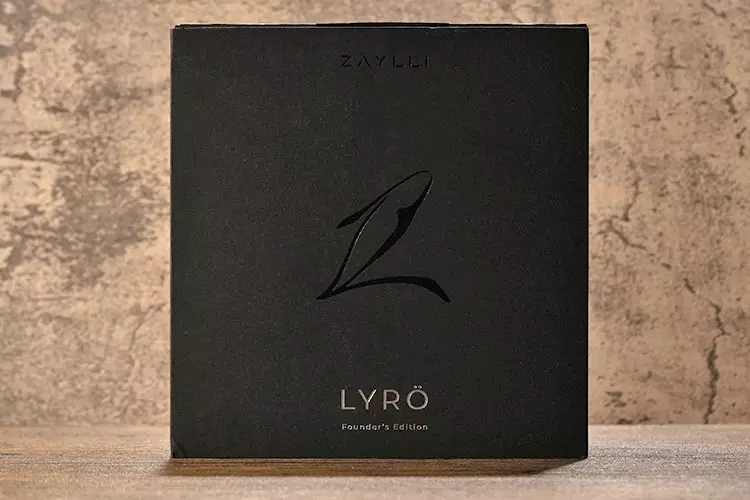
The semi-open-back Zaylli LYRÖ headphones deliver a satisfying wearing and listening experience with good detail, dynamics, and extension in either tuning mode.
It’s sibilance-free, with impactful, punchy bass even at elevated volumes. ow-profile design that doesn’t compromise quality.
Its innovative convertible design, featuring an intuitive tuning knob with clear and audible differences between profiles, offers flexibility for various music genres and listening scenarios.
The compact form factor is a delight to use, whether you’re on the move, on the treadmill, or settling in for a longer session.
In an era when many brands are reviving retro aesthetics, the Zaylli LYRÖ stands out for its technical capability, nostalgic styling complemented by contemporary tuning methodologies and sound engineering. All this is blended into a fun-looking and nicely performing piece of gear for on-the-go.
Zaylli LYRÖ Technical Specifications
- Connectors: mmcx
- Cable: silver-plated copper with mic
- Driver: dynamic driver (size not released)
- Weight: 112g(headband), 85g (neckband)
- Frequency response: 2Hz-40kHz
- Impedance: 32Ω
- THD <0.05%(94dB/500Hz)
- Sensitivity 111 dB SPL (1V/500Hz)
