

Synergy
Efficiency
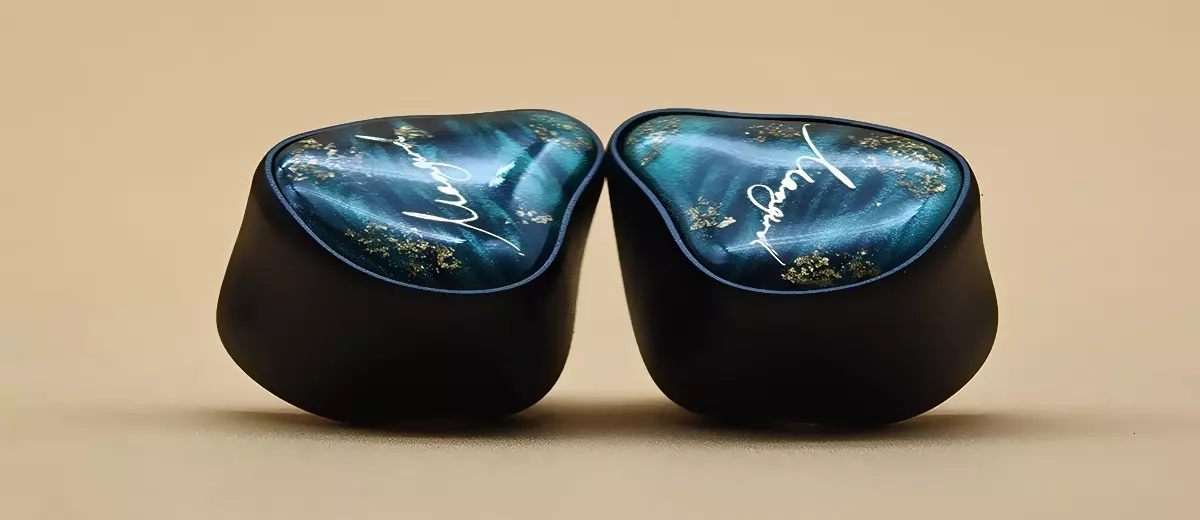
The Tea Pro SE is incredibly easy to drive with its low 13Ω impedance and 104 dB sensitivity rating. You won’t need a beefy external amplifier to get these sounding right.
The modular cable is a great inclusion that handles various setups without any extra hassle. Switching between 3.5mm and 4.4mm plugs is fast and makes the set highly flexible for different gear.
Performance remains solid even at low volumes, where the Tea Pro SE bass still carries its intended weight and presence. You can enjoy a full-bodied sound without needing to push the decibels to uncomfortable levels.
At higher volumes, there is no noticeable difference in the overall performance of the Tea Pro SE. It stays consistent and stable without scaling further, so cranking it up won’t reward you with extra detail.
Pairings
Pairing the XENNS Mangird Tea Pro SE with a standard smartphone produces a serviceable but ultimately uninspiring performance.
While the low impedance allows for plenty of volume, the soundstage feels slightly compressed, and the bass lacks its usual authoritative punch.
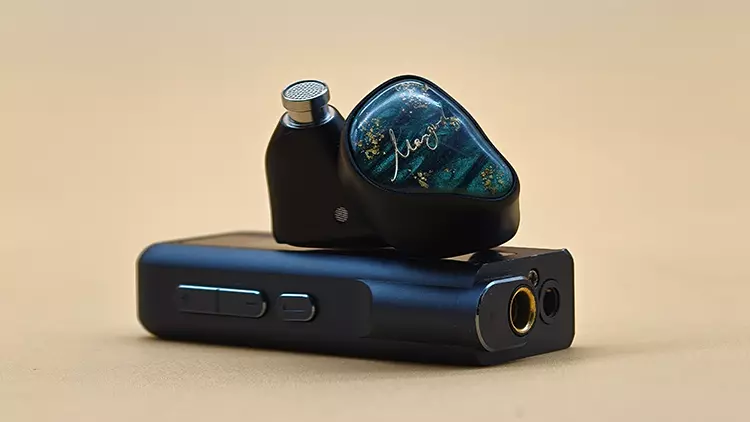
The FiiO JA11 provides a much cleaner and more transparent experience that preserves the natural balance of the IEM. It manages to sharpen the imaging compared to a standard phone jack, allowing the excellent detail retrieval of the updated drivers to shine through.
Switching to the Heartfield R1 introduces a noticeable analog smoothness to the midrange and a richer texture to the low end. This pairing adds an organic weight to the vocals that complements the lifelike tuning, though it does trade away some of that clinical treble sharpness.
The Colorfly CDA-M2 stands out as the most impressive pairing, offering a significant boost in airiness and soundstage width. It drives the Tea Pro SE’s low-end with impressive precision, ensuring the subbass rumble is at its most controlled and impactful.
Select Comparisons
XENNS Mangird Top Pro
Technical
The XENNS Mangird Top Pro utilizes a 10-driver hybrid configuration managed by a precise four-way electronic crossover.
This complex internal arrangement assigns specific driver groups to handle the low, mid, treble, and ultra-high frequency ranges.
Two custom dynamic drivers featuring neodymium magnets handle the low-end frequencies through reinforced internal circuits.
The midrange and treble regions are powered by a combination of Knowles and Sonion balanced armatures to ensure high-resolution performance and clear separation.
Design
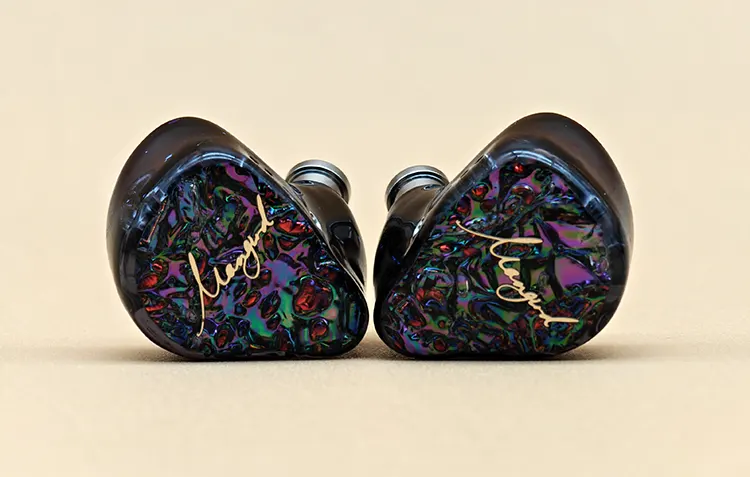
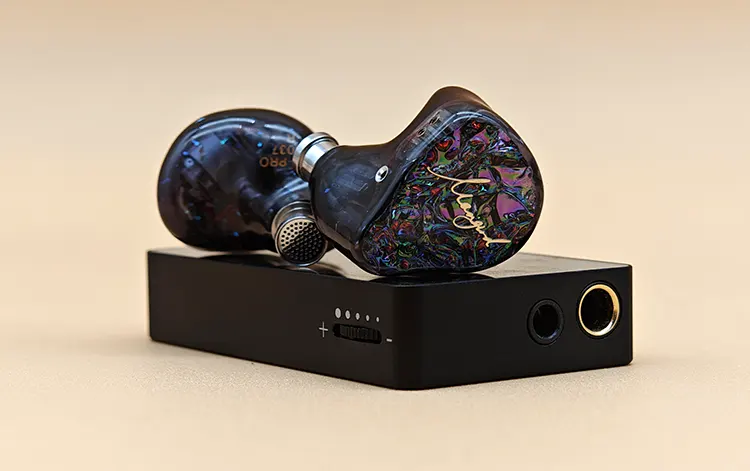
The faceplate features a unique swirling resin finish with abalone-like patterns and a gold script logo.
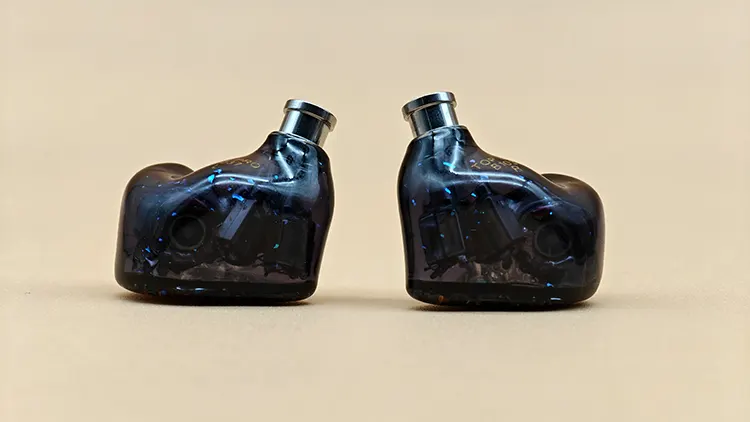
This artistic surface is paired with a semi-translucent dark resin shell that reveals internal components and shimmering decorative flakes.
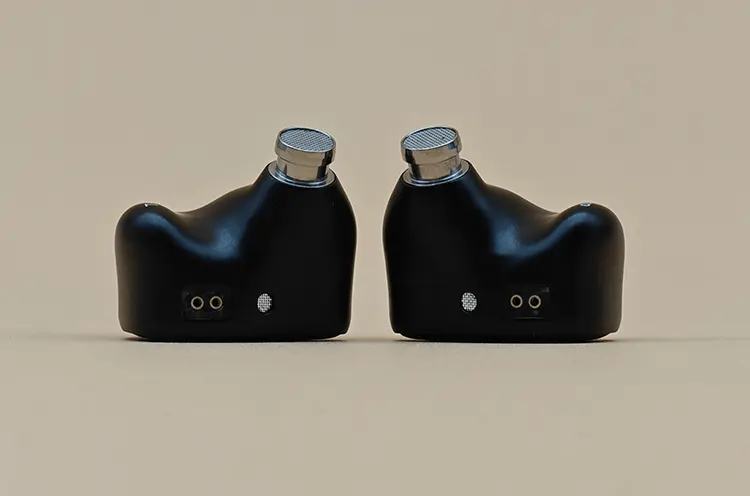
Subtle markings and channel indicators are printed discreetly below the polished metal nozzles for a clean appearance.
The housing includes a single vent with an embedded metal ring and recessed 0.78mm 2-pin connectors for added durability.
Performance
The Tea Pro SE delivers a stronger subbass rumble that prevents tracks from sounding dry. In contrast, the Top Pro offers a livelier mid-bass slam with more natural texture for bass guitars.
In the midrange, the Top Pro features a more forward vocal presentation that excels at revealing fine nuances. The Tea Pro SE takes a cleaner, more analytical approach that feels less musical in comparison.
Detail retrieval is remarkably similar between both models, with the SE’s new drivers effectively matching the Top Pro’s resolution. The SE handles sibilance more effectively, though it lacks the effortless airiness of the Top Pro.
Both IEMs maintain identical levels of cleanliness, ensuring that neither set suffers from any mid-bass bleed. This control keeps the presentation articulate regardless of which model you choose.
The Top Pro provides a larger soundstage with superior width, height, and depth for a more immersive experience. While the Tea Pro SE is slightly narrower, it still maintains excellent imaging and separation.
Dynamics are a decisive victory for the Top Pro as it scales significantly better with high-end gear. The Tea Pro SE essentially plateaus in performance and does not gain impact from more powerful sources.
XENNS Mangird Tea Pro
Technical
The original XENNS Mangird Tea Pro features a hybrid configuration of two dynamic drivers and six balanced armatures.
Its dual 8mm dynamic drivers utilize a reinforced bio-composite diaphragm specifically designed to enhance sub-bass performance and structural membrane integrity.
The balanced armature array consists of two Knowles drivers, two RAF drivers, and one RDB composite driver to improve natural timbre and sound texture.
With a low impedance of 13Ω and a sensitivity of 104dB, the unit is efficient enough to be driven comfortably by most portable devices.
Design
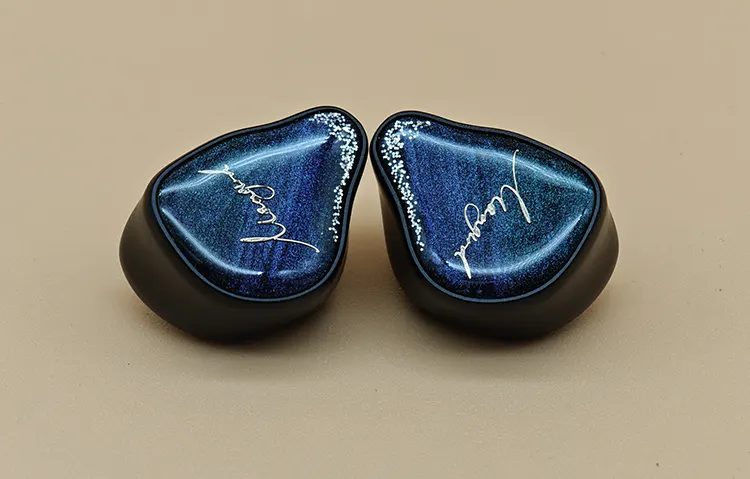
The faceplate showcases a unique “Northern Lights” design with a shifting green-violet glittery finish and gold Mangird branding.
This artistic faceplate is paired with an opaque black resin shell that includes printed channel indicators and the model name on the housing hump.
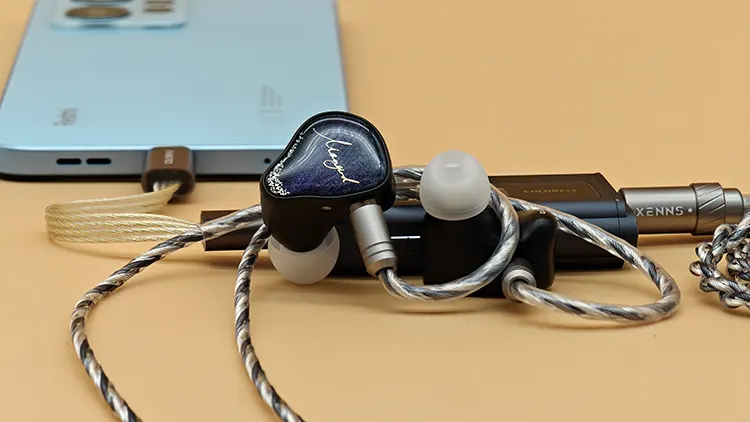
The included stock cable is a thick, modular design with a dark blue and silver aesthetic and metal hardware.
While the build quality is premium, the cable is notably stiff and retains its curved shape during use.
Performance
The original Tea Pro offers a more potent and boomy low-end that caters well to bass heads. In contrast, the Tea Pro SE trades that raw energy for a more clinical and precise bass quality with better texture.
Midrange performance is warmer and more relaxed on the OG, which may sound more natural. However, the Tea Pro SE provides a more forward and analytical presentation that leads to noticeably better clarity.
The treble is a clear step up for the Tea Pro SE, as the updated drivers deliver significantly more sparkle and detail retrieval. It also feels more open and airier, capturing the sharp metallic tone of percussion more effectively than the original.
Both IEMs maintain excellent sibilance control, ensuring the high frequencies stay smooth and non-fatiguing. This consistency makes both models great choices for long-term listening without ear strain.
The Tea Pro SE provides a wider and more immersive soundstage that offers a better sense of height and depth. This extra space helps the Tea Pro SE avoid the slightly cramped, near-head experience of the original Tea Pro.
While the tea Pro SE has better separation, the original Tea Pro takes the win for dynamics. The OG’s bass response scales more effectively with power, whereas the tea Pro SE tends to plateau early.

My Verdict
The XENNS Mangird Tea Pro SE is far more than a simple refresh; it’s a great IEM that stands as a significant evolution for the Tea series.
By updating to high-quality, branded balanced armatures and moving to a CNC-machined metal shell, XENNS has created a package that truly justifies its special edition status.
The only area that leaves a bit to be desired is the included tip selection, as they don’t quite match the premium quality found everywhere else in the box.
Aside from that small, missed opportunity, this is a competitive performer that easily competes above its price bracket.
XENNS Mangird Tea Pro SE Technical Specifications
- Driver Type:
- two (2x) Custom High-performance Neodymium Dynamic Drivers,
- two (2x) Knowles SWFK-31736 BAs,
- two (2x) Knowles RAF-32873 BAs,
- one (1x) Knowles RDB-34834 BA
- Plug: 0.78mm 2-pin modular with interchangeable 3.5mm single-ended and 4.4mm balanced terminations
- Frequency Response: 20Hz – 22kHz
- Impedance: 13Ω±1Ω
- Sensitivity: 104±1 dB
