

Synergy
Efficiency & Sensitivity
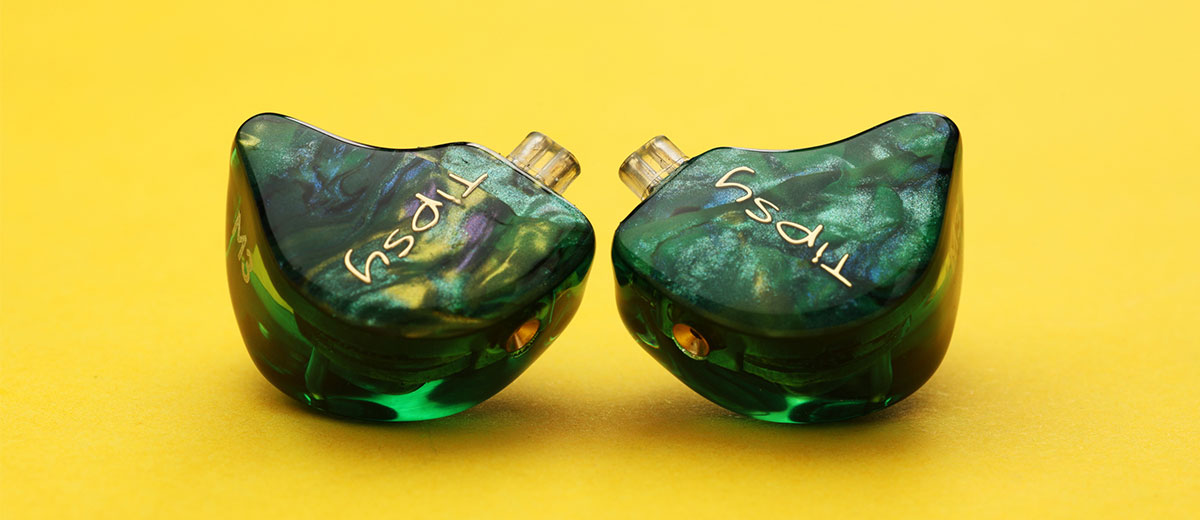
The Tipsy Audio M3 was hiss-free with all the sources I paired it with; the cable picked up no radio frequency interference, and it is not sensitive enough for me to hear the noise floor of the sources being used.
Although the M3 should be difficult to drive with its low impedance of 17Ω, thanks to its good power sensitivity, most of my sources can push it to deafeningly loud volumes without obviously distorting.
However, I feel the M3 sounds best with high-powered DAPs or battery-operated DAC amplifiers.
Pairings
The M3 needs a good pairing to sound its best, though it is not overly picky with source pairing. However, attention is required in this regard as I find the M3 to have smooth treble with warmer sources, and the bass is clean with sources that have good bass control.
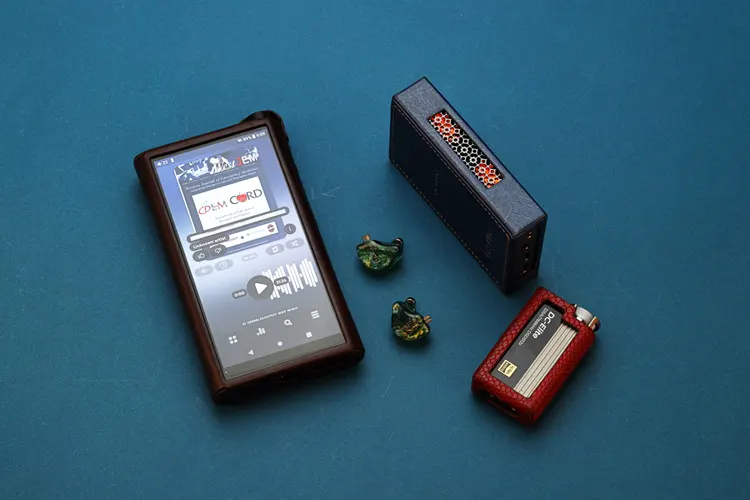
When used with my iBasso DC-Elite, the bass is well-controlled and not too boomy; however, the treble sounds more forward than I prefer, so I switched to the MUSE HiFi M5 Ultra in tube mode. Here, the sound is much smoother, and I feel this is a good pairing.
Finally, I switched to the FiiO M15S, and I find this to be the best pairing for the M3 as the bass is tight yet extended, and the treble is extended yet smooth.
The 1200mW power output of M15s and excellent bass control are clearly showcased in the M3, and is the best pairing I found among all of my sources available.
Although the M3 improves in sound as you go up in source quality, I still find it not picky with source pairing and sounds good with inexpensive sources, as long as you avoid bright-sounding sources.
Selected Comparisons
Kinera NOTT Phantom
Technical
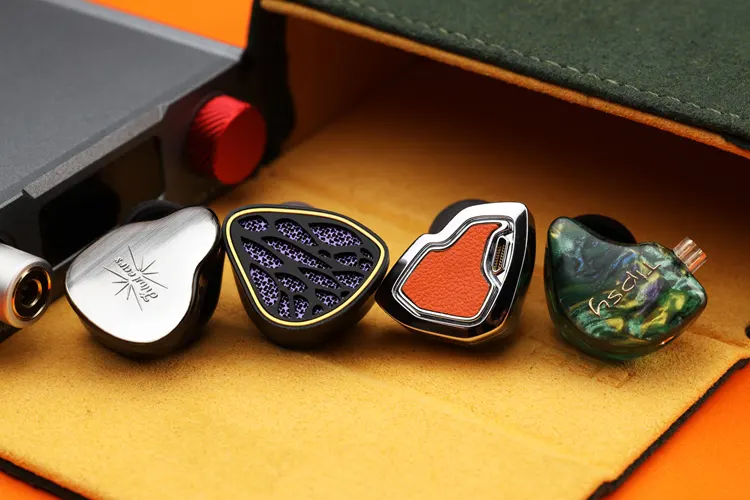
The Kinera NOTT Phantom is a hybrid set of 1 + 4 drivers featuring an 8mm polymer fiber composite dynamic driver, two Knowles balanced armature drivers for the midrange, and two Sonion BA drivers for the highs and ultra highs. It has an impedance of 54Ω and a sensitivity of 105 dB.
Design
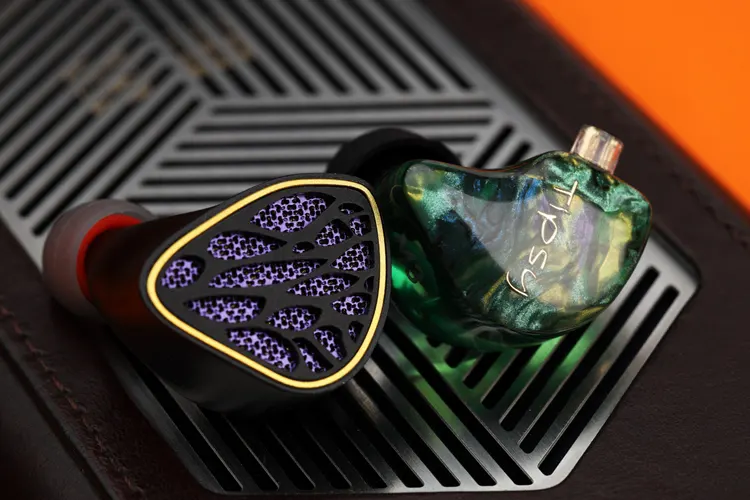
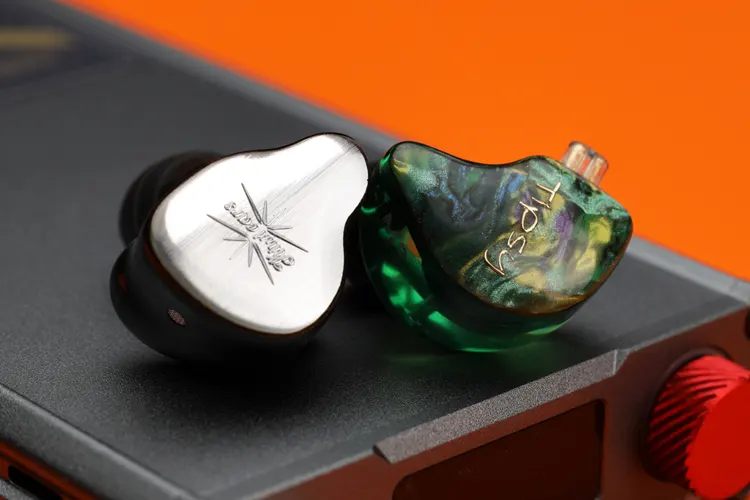
The NOTT Phantom has a beautiful, lightweight metal shell with an intricate faceplate design composed of three layers of differently shaped materials. The thick stock 4-core cotton sleeved cable is designed to match the black, gold, and purple color scheme of the shell, making the whole set look aesthetically cohesive.
Performance
The NOTT Phantome has a more neutral, very mild V-shaped sound signature, characterized by a leaner bass, slightly recessed midrange, neutral treble, and a more extended upper treble, compared to the V-shape of the M3, which features boosted bass and treble and a recessed midrange.
I find the KNOTT Phantom to have a bigger soundstage with a more spherical shape than the wide by slightly flatter soundstage of the M3.
Both have good imaging, but KNOTT has an edge when it comes to image placement due to its spherical-shaped soundstage; however, the difference isn’t big.
Both are equally energetic-sounding and can take a lot of power from the source. They go loud without obviously distorting.
Both have good punchy bass and have good immediacy in the treble. However, the Tipsy M3 lags in the midrange regarding dynamics, as I expected.
Kiwi Ears KE4
Technical
The Kiwi Ears KE4 is a four-driver hybrid set featuring two custom 10mm dynamic drivers in a true isobaric acoustical configuration, a Knowles mid-high balance armature driver, and a custom ultra-high balance armature driver, all driven by a 3-way crossover. The impedance is 28Ω, and the sensitivity is 102 dB.
Design
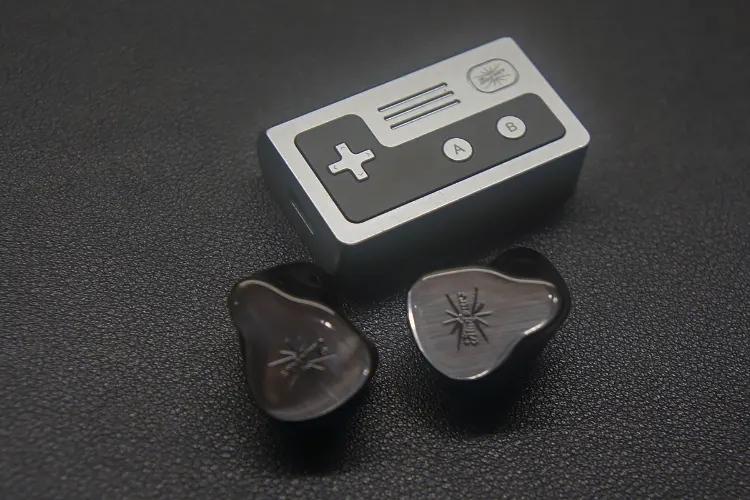
The KE4 features an ergonomically shaped 3D printed black colored resin shell with a silver faceplate, which has the Kiwi Ears logo embedded. It uses metal nozzles and 2-pin connectors.
Performance
The KE4 sounds more neutral with its moderately U-shaped sound signature characterized by a boosted sub-bass, slightly recessed lower midrange, upper midrange, and lower treble, with elevated upper treble response.
Compared to the V-shaped sound of the M3, with its boosted bass and treble, and recessed midrange.
There is not much difference in their soundstage size; the difference is mostly based on the shape and presentation of the images.
The KE4 has a more rounded soundstage, while the M3 is flatter. In terms of imaging, the KE4 has a smaller but more defined soundstage, while M3 has bigger but slightly diffused images by comparison.
In terms of dynamics, I find the M3 more energetic. I can go louder and cleaner compared to the KE4’s less dynamic sound, due to its darker-sounding upper midrange and treble, which I feel hampers its ability to convey transients and sound impact vigorously.
Hidizs MS2 PRO
Technical
The Hidizs MS2 PRO is a two-driver hybrid set featuring one 10.2mm PU+PEEK Composite Diaphragm dynamic driver for bass and midrange, and one balanced armature driver for the highs. It has an impedance of 17Ω and a sensitivity of 111 dB.
Design
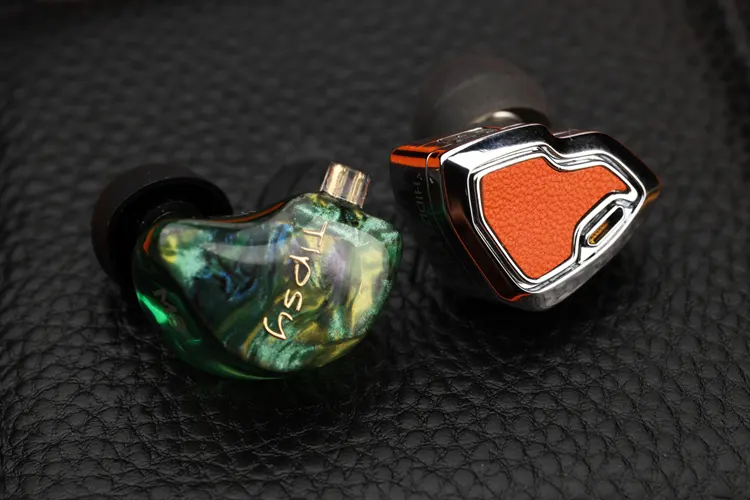
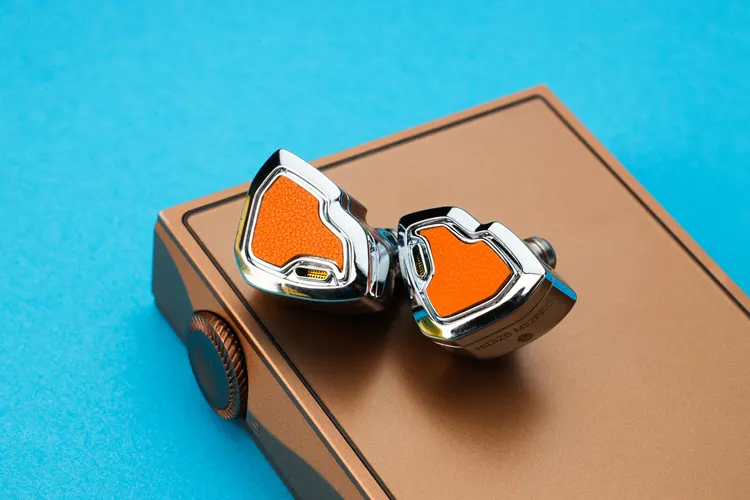
The MS2 PRO features an all-metal zinc alloy mirror-finished shell with a piece of leather inlayed on the faceplate. it uses a 0.78mm 2-Pin Detachable Connector.
Performance
The MS2 PRO is a moderately V-shaped sounding IEM characterized by its boosted bass, a prominent upper midrange, and lower treble, which sounds brighter in comparison to the M3’s boosted bass V-shaped sound but less prominent upper midrange and lower treble.
Both have similar stage size and shape, with the MS2 Pro being more forward in presentation.
Due to MS2 Pro’s more forward upper midrange and lower treble, the images are more forwardly presented and have more definition, separation, and layering.
They are about the same when it comes to dynamics in the bass. However, I find the MS2 Pro to sound more dynamic due to its more forward midrange and lower treble presence, which makes the sound more immediate and impactful than the slightly laid-back midrange presentation in the M3.
My Verdict
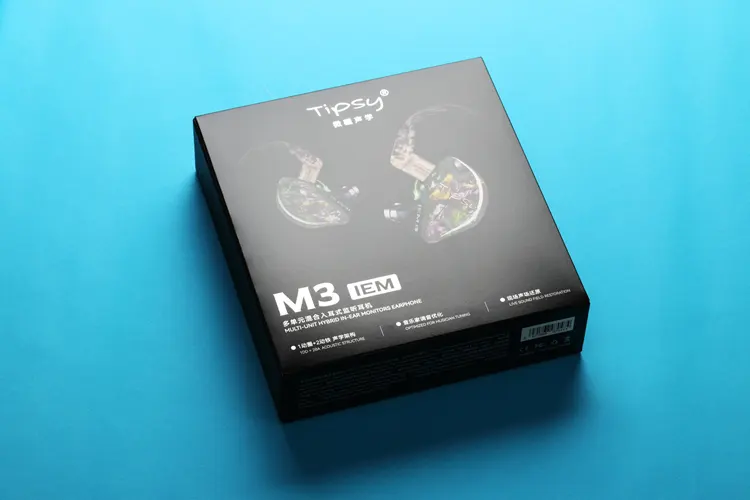
I’m always anxious when I’m about to review products from a ‘new-to-me’ company, as I don’t know what to expect with their build and sound quality. Luckily, the build and sound quality of the Tipsy M3 are good.
I like the M3’s V-shape tuning, where the bass is very extended, the treble is airy and relatively clean, and the midrange, though recessed, is not buried deep by the bass and treble.
I do wish it came with a 4.4mm balanced cable or at least be available in one, as I have to switch to a 4.4mm cable in my review to get the most out of the source and have parity with my other IEMs with 4.4mm cables.
All in all, the Tipsy M3 triple driver hybrid IEM has a delightful V-shape sound signature with good sub-bass rumble and airy, shimmering treble that I believe many people would enjoy.
Tipsy M3 Technical Specifications
- Model: M3
- Driver configuration: 3 driver hybrid
- Low frequency: 1 x 9.2mm PET-titanium coated dynamic driver
- Mid-high frequency: 2 x self-developed custom balanced armature drivers
- Effective frequency response: 20-20 kHz
- Sensitivity: 105 dB
- Impedance: 17Ω @ 1kHz
- Total Harmonic Distortion (THD) < 1% across the full frequency range
- Cable length: 1.2m
- Cable type: Detachable 3.5mm, 0.78mm 2-Pin, QDC Interface
- Wearing Type: In-Ear
- Weight: 4.4 g
- Nozzle Diameter: 5.6 mm
