

Select Comparisons
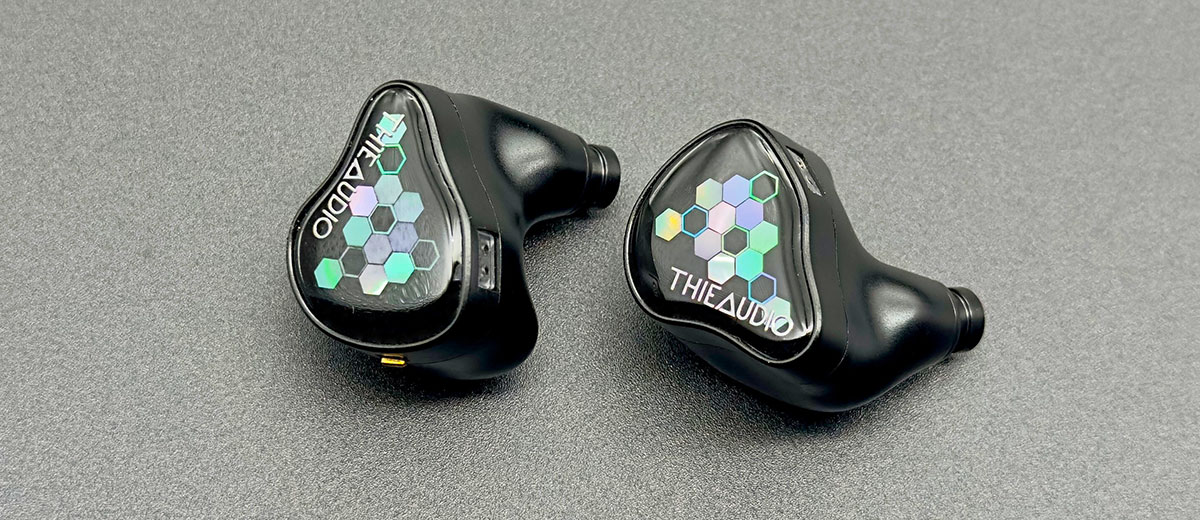
THIEAUDIO Origin
Technical
The THIEAUDIO Origin was released towards the end of 2024 and features a quad-brid driver configuration with a total of eight drivers per side.
These drivers include a custom-developed 10mm dynamic driver, four balanced armature drivers with a mix of Sonion and Knowles, and dual Sonion electrostatic super tweeters. In addition to these, there is also a custom-developed 11mm bone-conduction driver.
The THIEAUDIO Origin has an impedance of 9 Ω @ 1 kHz and a sensitivity rating of 102 dB/Vrms.
Like the Monarch MKIV, Origin can be comfortably driven by low-powered sources such as dongles and smartphones. On my Lotoo PAW Gold Touch, the Origin can take a few volume clicks more than the Monarch MKIV.
Design
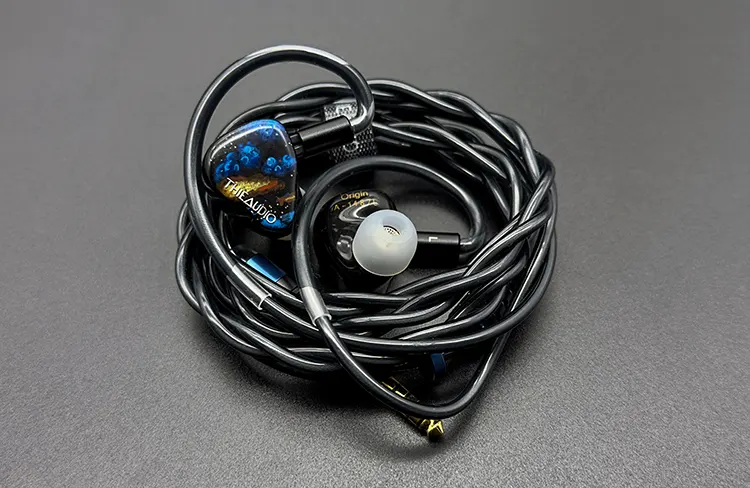
The Origin is built with resin shells and follows an easily recognizable THIEAUDIO design scheme. The shells are finished in black with an abstract faceplate featuring a mix of blue and yellow patterns.
For a resin build, it feels quite solid and very lightweight. However, both the Monarch MKIV and Origin have fairly large shells and may have a challenging fit for people with smaller ears. The Monarch MKIV, though made with metal shells, is quite light and easy on the ears.
Between the two, I find the Monarch MKIV offers a better fit, as the shells of the Origin sometimes press against my inner ears and cause discomfort, something I never experienced with the Monarch MKIV, even during longer sessions. Both IEMs have short nozzles, and for me, the same ear tips provide a comfortable fit on both.
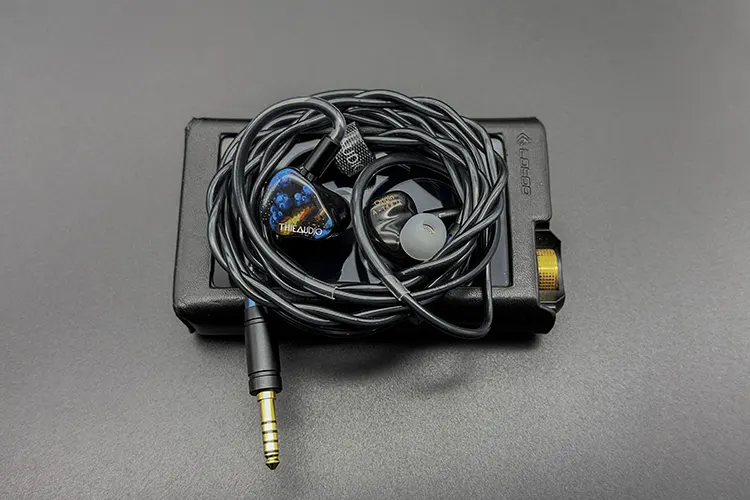
The Origin comes with a modular cable that includes 3.5 mm unbalanced, 4.4 mm balanced, and 2.5 mm balanced connectors.
I find this cable quite stiff, whereas the Monarch MKIV’s stock cable, despite being an 8-wire design with noticeable thickness, is more flexible and easier to handle. Both cables are functional, and I never felt the need to replace them with aftermarket options.
THIEAUDIO uses a similar packaging style for both IEMs, with nearly the same set of accessories, except for the new set of ear tips that come with the Monarch MKIV.
Performance
Listening to the Monarch MKIV and the Origin back-to-back, it’s clear they’re cut from the same cloth, but they don’t play the same tune.
The Origin hits lower and harder; its sub-bass rumble is the first thing you notice. It’s deep and physical, the kind that you feel more than you hear. The bass quantity is similar to the RUMBLE mode on the Monarch MKIV, but it lands differently.
The Origin has this quick, tight punch, while the Monarch MKIV is smoother and a bit more reserved. Both keep things clean through the mids, never letting the low end bleed up.
The Origin’s bass texture feels a little more organic to me, but the Monarch MKIV wins when it comes to separation and layering. It’s easier to follow what’s happening when the mix gets crowded.
In the midrange, the Origin steps forward. Vocals sound closer, almost right in front of you, while the Monarch MKIV gives them more space and air.
The Monarch MKIV feels cleaner overall, with more small details popping through. The Origin has that touch of warmth that makes it feel more natural and a little relaxed. The bone-conduction driver adds some weight and physical texture to vocals and instruments, but it’s subtle.
The treble is where the Monarch MKIV stretches ahead. The Origin has plenty of sparkle and a sense of air, but the Monarch MKIV sounds more refined and more resolving. It handles busy, bright tracks better and keeps everything tidy and smooth. It also reaches higher, with more openness.
Soundstage-wise, the Monarch MKIV feels wider, while the Origin has slightly more height. Imaging is cleaner and more precise on the Monarch MKIV.
Instruments have more breathing space on the MKIV. Overall, the MKIV feels more refined, while the Origin leans more toward fun.
BGVP Solomon
Technical
The Solomon is the latest premium release from BGVP and features a mix of nine drivers, consisting of two dynamic drivers, three Sonion balanced armature drivers, two Sonion electrostatic drivers, and two Sonion bone conduction drivers.
One of the Sonion balanced armatures caters to the midrange, the remaining two are employed for the mid-treble region, and the two third-generation Sonion EST drivers handle the ultra-high frequencies.
Each of the dynamic drivers is 8 mm in size, built using PU (polyurethane) and LCP (liquid crystal polymer) diaphragm materials, and arranged coaxially.
There is a five-way architecture to precisely divide frequencies among the drivers. Additionally, there is a four-acoustic-pipe arrangement to help the sound from different driver groups channel separately to the nozzle.
The Solomon has an impedance of 7.3 Ω at 1 kHz and a sensitivity rating of 130.8 dB/Vrms. The IEM isn’t power-demanding and stays at the same volume level as the Monarch MKIV.
Design
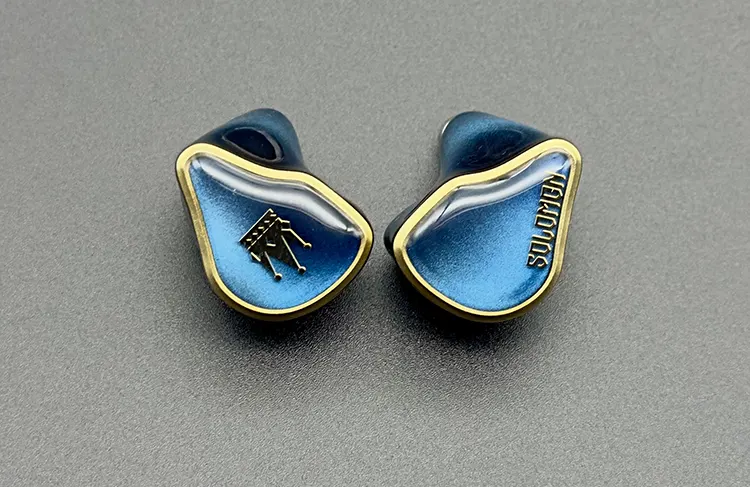
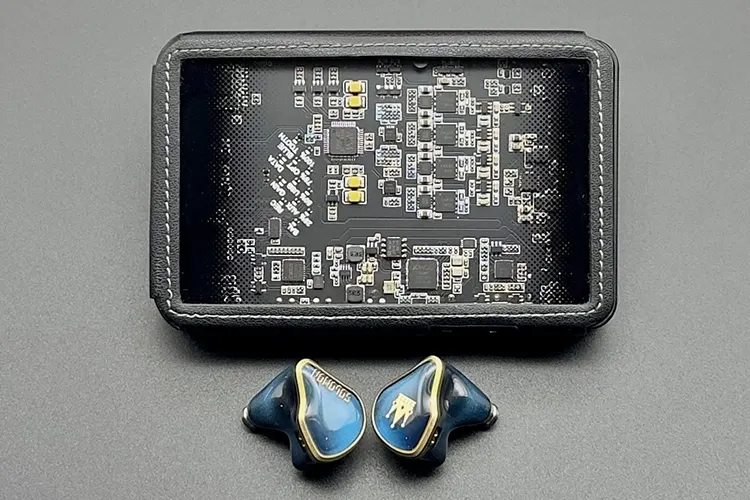
Solomon has an intriguing premium-looking design with a deep metallic blue scheme and a rich gloss finish throughout.
The faceplate is separated from the body of the shells by a thin golden bezel. The shells, built from medical-grade resin, feel quite robust. The Monarch MKIV, built with aluminum shells, feels even more robust and durable.
The nozzle of the IEMs has a silver metallic finish with a mesh grill to keep out dirt and debris. Its dimensions are similar to those of the Monarch MKIV. In terms of fit, both IEMs are comfortable, but people with smaller ears should be cautious of their large shells.
The stock cable on the Solomon is terminated in 4.4mm and is not modular like the Monarch MKIV, which comes with both 4.4mm and 3.5mm adapters. Solomon’s cable is a 4-wire design that matches the overall look.
I prefer this cable over the Monarch MKIV variant, as it looks more premium, though in terms of durability, it is not as tough. Both cables pair well with the IEMs and provide the right synergy.
The inclusion of the Temple cable with the Solomon is a big plus, as this cable feels more premium than the stock cables on either IEM. The Temple cable also offers some improvements over the standard stock cable of Solomon.
Solomon’s grand packaging and accessories leave little room for comparison, as the Monarch MKIV arrives in rather minimal, non-fancy packaging that feels almost insignificant next to Solomon’s, but that’s how grand Solomon’s packaging is.
Performance
Solomon’s bass hits cleaner but lighter. It’s tight and quick, though it doesn’t dig as deep as the Monarch MKIV. The Monarch MKIV, especially in RUMBLE mode, just feels more satisfying down there.
You get that proper sub-bass depth, a better mid-bass body, and that little bit of air moving you can feel more than hear. It’s fuller, rounder, and carries more weight when a track calls for it. The Solomon’s bass, while tidy, doesn’t quite have that sense of authority.
In the midrange, the Monarch MKIV sounds a touch warmer and fuller. Vocals feel more natural and more grounded, while instruments carry a bit more body.
Solomon has got an extra bit of energy, which makes details pop, but sometimes it doesn’t sound as organic. The Monarch MKIV flows better from lows to highs; nothing sticks out, everything just gels together.
The Solomon can feel slightly more dissected, focusing on clarity but not always blending smoothly. That bone conduction driver in the Solomon does add some physical feel and gives textures a more tactile edge. Detail-wise, both do great, but the MKIV delivers it in an easier, more relaxed way.
Treble-wise, the Solomon sparkles and shows a ton of detail, but those peaks can make it a little splashy. Fun and lively, yes, but over longer sessions, it might wear you out. The Monarch MKIV takes a calmer path, as it’s smooth, refined, and still detailed, but never overdoes it.
The Monarch MKIV also wins on staging. It spreads wider and sounds more open, giving instruments a bit more breathing space.
The Solomon pushes detail and depth, but the MKIV does it with more poise and control. The Monarch MKIV does a better job at handling heavier and faster tracks, keeping the sound more layered and separated.
Moritz Audio ENZO
Technical
The ENZO is an IEM from Moritz Audio, a Hong Kong-based brand. It is a tribrid IEM that features one dynamic driver, six balanced armature drivers, and two planar drivers.
The dynamic driver and balanced armatures are in-house custom-developed, as is the ultra-low-noise crossover network.
ENZO has a sensitivity of 107.6 dB SPL/mW and an impedance of 11 Ω. ENZO takes a similar level of volume as the Monarch MKIV. I find the ENZO to be more stable on higher volumes.
Design
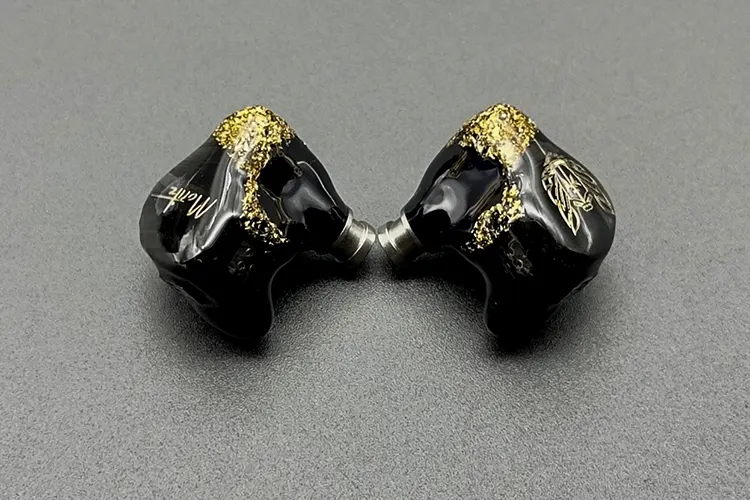
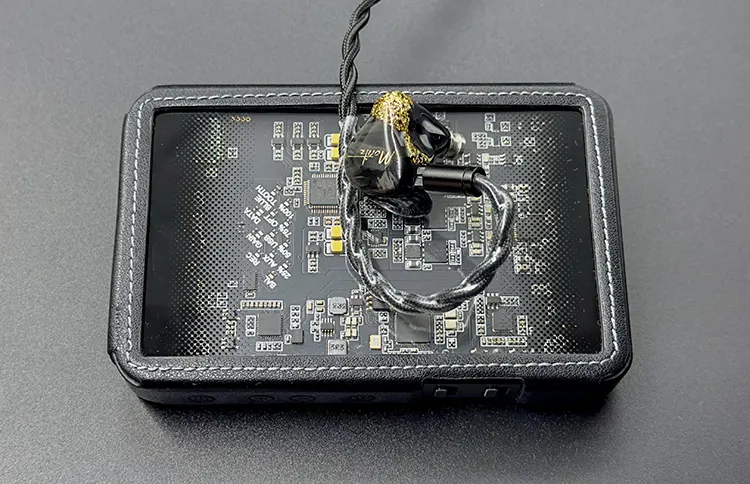
The ENZO features a dark-colored resin shell accented with elegant golden flakes near the faceplate edges and along the sides. The shells are well-built and feel durable. In contrast, the Monarch MKIV uses aluminum shells.
The Monarch’s shells are slightly larger than the ENZO’s. Both the IEMs fit me comfortably and have good ergonomics, but for those with smaller ears, the Monarch MKIV may pose some challenges due to its larger size. Both the MKIV and the ENZO have short, wide nozzles and can use the same set of ear tips.
The ENZO includes two tuning switches on each shell, offering four possible sound profiles.
Personally, I didn’t notice significant differences between the tunings, or say I was not convinced with the tuning changes, and ultimately preferred the “DD” setting. The Monarch MKIV, on the other hand, provides two tuning modes using a single switch.
Both IEMs use a standard 2-pin connection system. The unboxing experience and included accessories are on a similar level for both models.
However, I would have preferred higher-quality cables for both. The ENZO’s carrying case stands out, as it’s quite spacious and feels special.
Performance
The bass on ENZO hits like a wave. It sounds big and full, with a soft yet heavy slam that lingers just a bit longer.
It’s got more prominent mid-bass, giving it a “thud” that feels satisfying and rounded, but it has slower decay. You can feel that extra weight in every hit, almost like it’s carrying more air behind it.
The Monarch MKIV, in contrast, feels tighter and snappier. It hits cleanly, does not spread much, and avoids warmth.
The sub-bass has good depth but stays quick on its feet. The ENZO leans into its heft, while the Monarch MKIV keeps things neat and separated with a tight punch and less bloom.
In the midrange, the ENZO sounds fuller and thicker, helped by its thicker lower midrange. Vocals and instruments feel dense, sitting a bit closer to the ear. It’s engaging and musical while keeping the midrange clean, thanks to its resolution.
The Monarch MKIV goes the other way with a clearer, more open, and slightly more neutral midrange. It has a bit less warmth but better separation between layers. Notes sound more defined, and vocals feel cleaner without losing their natural tone.
Treble is where the Monarch MKIV really pulls ahead. It’s clean, crisp, and resolving without being sharp. Every note has a distinct start and stop, and the air around instruments feels natural. The ENZO’s treble has a quicker decay and can sound splashy at times, with details blurring together.
The soundstage on the ENZO is a bit intimate but has more height, while the Monarch MKIV feels wider and more spacious. Imaging is more accurate and precise on the Monarch MKIV.
The Monarch MKIV separates instruments better and feels more open and layered. The ENZO on heavier tracks can feel clumsy.

My Verdict
When the Monarch MKIV was announced, I honestly wondered what more THIEAUDIO could bring to the table.
The previous three Monarch models already hit a sweet spot of performance and value, leaving little room for major improvement, especially at this price point, where the series has always offered such strong price-to-performance.
But THIEAUDIO clearly had other plans. The Monarch MKIV feels like a careful rework, not just a refresh or a release with some slight changes. The tuning here is more refined and mature, putting the Monarch MKIV right in the league of the best offerings in the price range.
The Monarch MKIV strikes a middle ground with its balanced sound. It’s detailed and technical but still musical and easy to listen to for hours. The treble is easily one of its strongest points, offering a lot of airiness and sparkle without being edgy.
I also love the two tuning modes, and it’s not just a gimmick, as both modes have their own personality, which makes the IEM more versatile. The STANDARD one has more of a reference-like sound, while the RUMBLE mode adds a touch of warmth and weight.
Build quality feels like another step up. The metal shells give it a premium feel, but the shells are quite large, though, so people with smaller ears might want to check the fit first. Beyond that, there’s really not much to fault.
THIEAUDIO has once again managed to deliver that “flagship feel” without the flagship price tag. Honestly, the gap between the Monarch MKIV and Valhalla isn’t huge, but the price difference definitely is.
That alone makes the Monarch MKIV a standout. The Monarch legacy lives on, and I’d easily recommend it to anyone looking for an IEM in its price range.
THIEAUDIO Monarch MKIV Specifications
- Driver Configurations: 2 DD (8mm) + 6 Sonion BA + 2 EST
- 4-way crossover with 4 sound tubes
- Frequency Response: 10 Hz – 44 kHz
- Impedance: 10 Ω ± 1 Ω
- Sensitivity: 100 dB (± 1 dB) @ 1 kHz
- Total Harmonic Distortion (THD): <1% @1kHz
