

Select Comparisons
MOONDROP Ultrasonic
Technical
The MOONDROP Ultrasonic features a hybrid driver system comprising a 13 mm sapphire-coated dynamic driver and an FRA lithium-magnesium alloy diaphragm balanced armature tweeter, a setup engineered for detailed, high-resolution sound reproduction.
The MOONDROP Star Rail Robin also employs a hybrid design, pairing a 10 mm tin-ceramic dome dynamic driver with a 6 mm annular planar driver, delivering a smoother high-frequency response with audiophile-oriented refinement.
On the connectivity front, both models support robust wireless performance, though with notable differences. The Ultrasonic is equipped with Bluetooth 5.3 and supports a wide range of codecs, including SBC, AAC, LDAC, and LC3.
The Star Rail Robin advances this further by using Bluetooth 5.4, while delivering the same codec support along with BLE Audio, ensuring broader compatibility and future-ready performance.
Battery life shows a clear disparity as well. The Ultrasonic offers around 6 hours of playback on a full charge, with the case providing an additional 18 hours, amounting to roughly 24 hours of total listening time.
The Star Rail Robin stretches even further, delivering approximately 9 hours of playback per charge, complemented by a charging case that adds up to 30 hours of total listening time.
Design
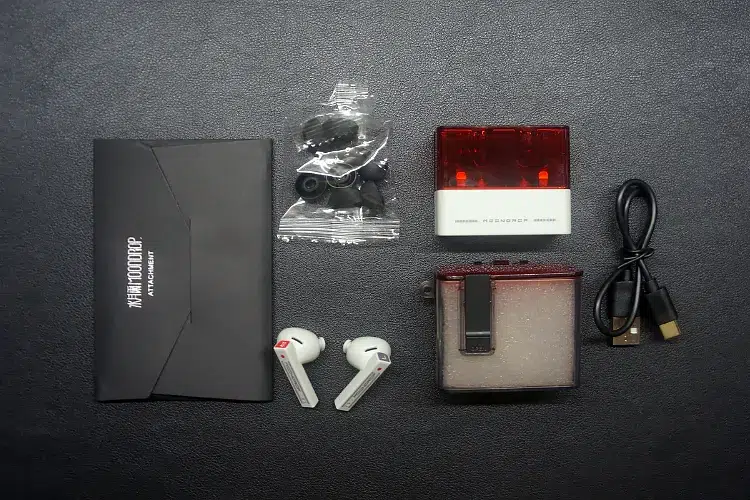
The MOONDROP Ultrasonic goes for a simple, utilitarian look. Its cradle resembles the Space Travel’s, with a matte grey base and translucent reddish lid.
The open-top slot leaves the earbuds partially exposed, and while magnets hold them in place, they can fall out if shaken. The included rubber sleeve feels necessary for protection, especially since the translucent lid scratches easily.
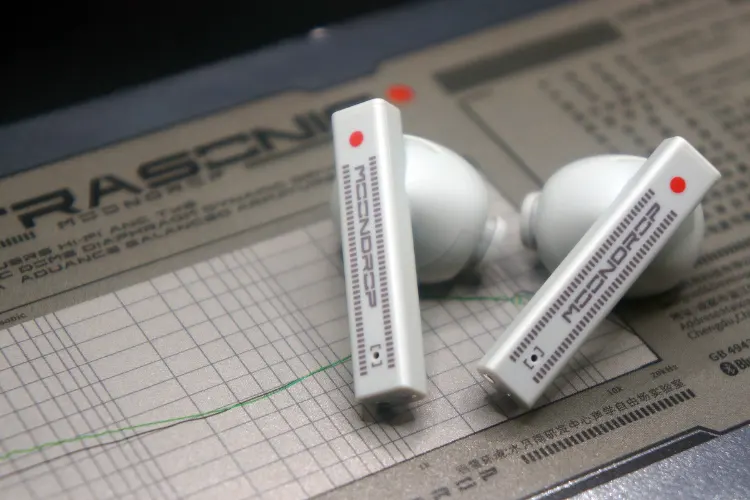
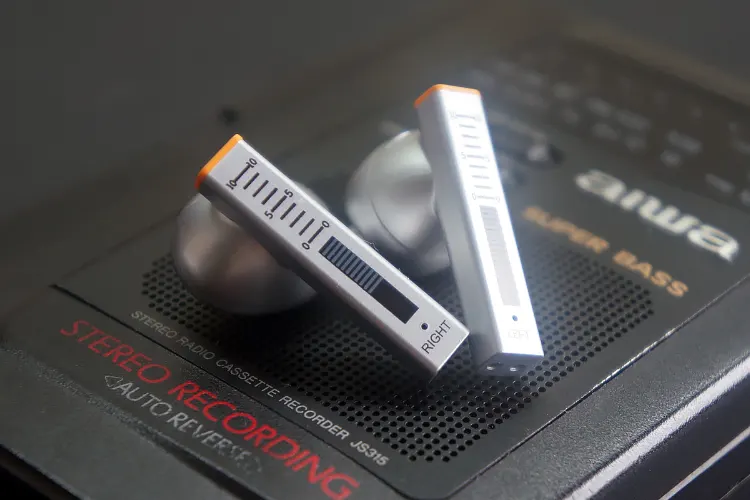
The earbuds themselves share the Golden Ages’ rectangular-stemmed form, finished in matte grey plastic that resists oils and fingerprints.
Branding is minimal, with only a logo, fine linework, and a red dot for contrast, making the Ultrasonic low-profile and practical.
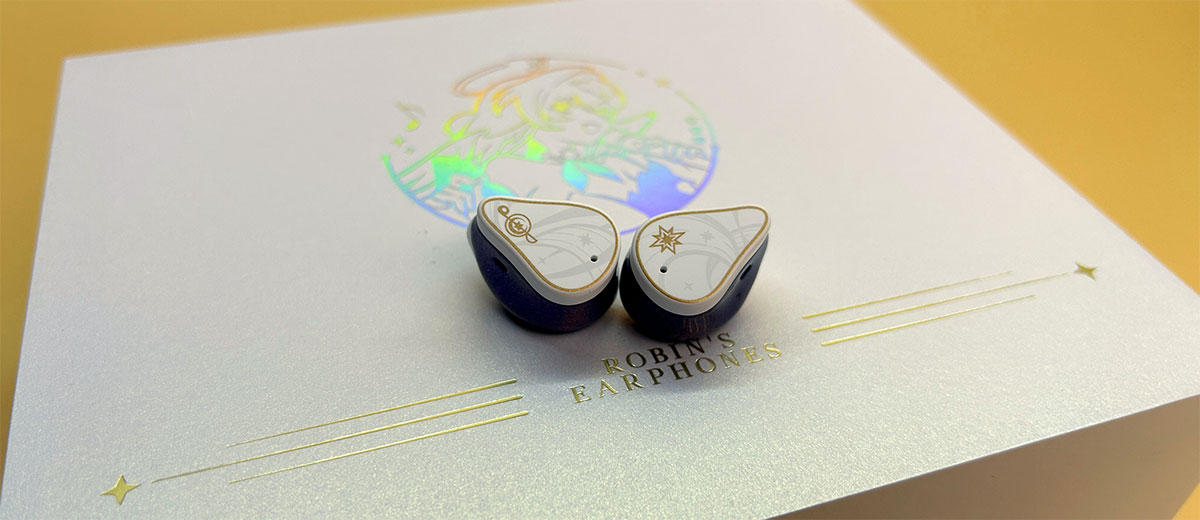
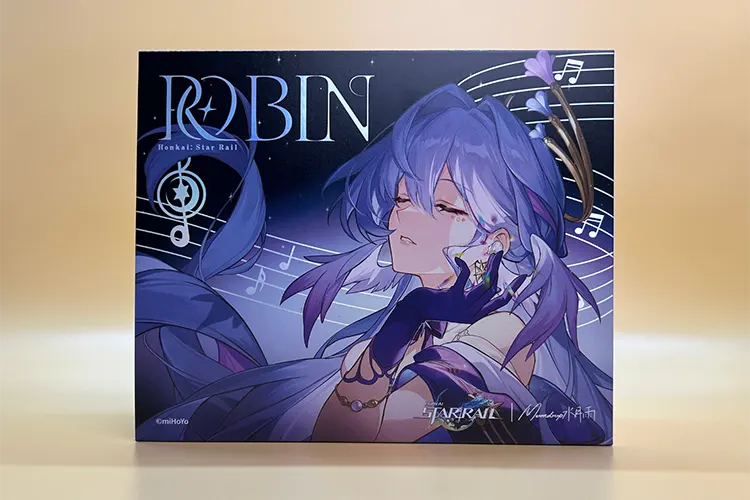
The Star Rail Robin takes a more expressive approach. Its cylindrical white cradle features gold accents and a glossy holographic top panel of the Star Rail Robin, with more themed detailing inside. It’s visually striking but noticeably bulkier than most cases, making it better suited for bag carry.
The earbuds follow an IEM-style design instead of stems, with layered white shells, a shimmering 3D-printed core, and subtle gold trim. Light catches the iridescent blue-purple effect in the midsection, while game-inspired motifs stay understated.
Overall, the Star Rail Robin feels more premium and decorative, while the Ultrasonic favors simplicity and daily practicality.
Performance
In contrast to the Ultrasonics’ more balanced, slightly brighter presentation, the Star Rail Robin’s Ultra Bass preset pushes it firmly toward a bass-boosted profile.
The sub-bass reaches deeper with greater authority, giving the Star Rail Robin a heavier sense of impact that the Ultrasonic simply cannot match. Mid-bass is also thicker and fuller, adding weight to percussion and basslines.
While this emphasis does make the Star Rail Robin sound more colored overall, it delivers a level of slam and presence that feels far more engaging than the Ultrasonic, especially for listeners who crave low-end power.
In the midrange, the Star Rail Robin takes the lead with improved dynamics and resolution. Vocals, in particular, benefit from greater texture and layering, standing out more vividly compared to the Ultrasonics’ smoother but flatter delivery.
Instruments like guitars and pianos also carry more expressive detail on the Star Rail Robin, whereas the Ultrasonic maintains a cleaner but less lively presentation.
The Star Rail Robin’s warmth and added note weight give the mids a more impactful character without sacrificing too much clarity.
Treble performance between the two shows a clear difference in tuning philosophy. The Ultrasonic can occasionally sound sharp or sibilant, especially in snares and hi-hats, while the Star Rail Robin reins this in for a smoother, less fatiguing top end.
Though the Star Rail Robin may sacrifice a touch of bite compared to the Ultrasonic, it compensates with better overall balance, letting the treble complement rather than dominate the rest of the mix.
Huawei Freebuds 3
Technical
The Huawei FreeBuds 3 feature a 14mm dynamic driver, which is physically larger than the 10mm dynamic driver found in the MOONDROP Star Rail Robin.
The Star Rail Robin balances this with a more complex hybrid design by adding a 6mm planar driver, giving it an edge in detail retrieval and tonal versatility.
On the connectivity side, the FreeBuds 3 rely on Huawei’s Kirin A1 chip with Bluetooth 5.1, supporting SBC, AAC, and LDAC codecs for stable high-quality transmission.
The MOONDROP Star Rail Robin steps up things with a newer Bluetooth 5.4 implementation, ensuring stronger stability and compatibility, alongside codec support for SBC, AAC, LDAC, and LC3.
Battery life is another differentiating factor. The FreeBuds 3 manage around 6 hours of playback with noise canceling turned off, plus an additional 15 hours from the charging case.
The Star Rail Robin extends endurance significantly, offering up to 9 hours of playback on a single charge with ANC usage mixed in, and up to 30 additional hours provided by its case.
Design
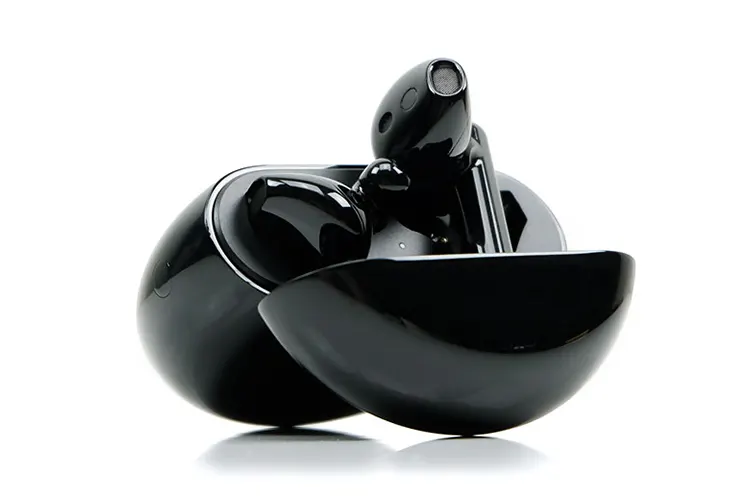
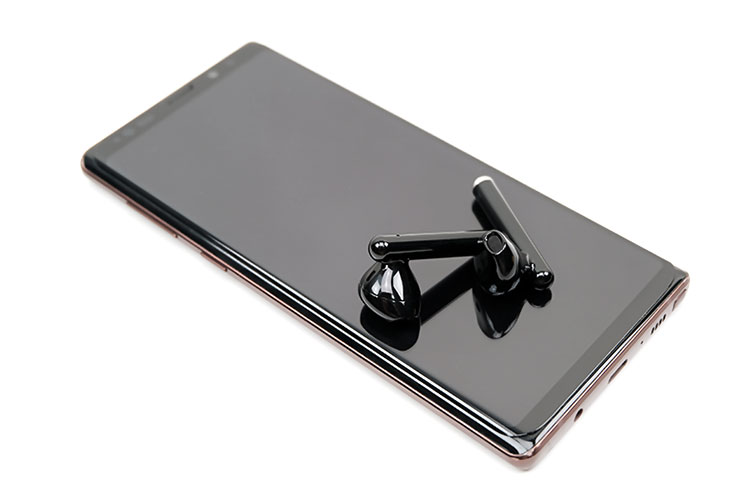
The Huawei FreeBuds 3 embody a sleek, minimalist design, typical of modern consumer electronics. Their charging case, crafted from glossy black plastic, features a unique circular shape that gives it a clean, understated appearance.
The earbuds themselves follow the same aesthetic, with a polished finish and stem-style build that rests comfortably on the outer ear without requiring silicone tips. This earbud-style design allows for a light, semi-open fit, though at the expense of passive isolation.
The MOONDROP Star Rail Robin adopts a far more elaborate and character-driven design. Its charging case takes on a rounded cylindrical form with a soft-touch matte white accented by a holographic panel featuring HONKAI Star Rail’s Star Rail Robin.
Gold detailing and subtle game-inspired motifs continue inside the case, lending it a more ornate and expressive identity compared to the FreeBuds 3’s minimalist approach.
While the design is eye-catching, the Star Rail Robin’s case is notably bulkier, making it less pocket-friendly than Huawei’s slim circular cradle.
The FreeBuds 3 relies on a traditional stemmed earbud form factor; the Star Rail Robin opts for an IEM-inspired design, with contoured 3D-printed resin shells shaped for a snug in-ear fit.
This allows for stronger passive isolation and a more secure hold compared to Huawei’s open-fit approach.
The Star Rail Robin’s shells also carry a shimmering blue-and-purple iridescent finish, accented with gold trim and subtle branding, striking a balance between playful visual flair and everyday wearability.
Performance
The Star Rail Robin delivers a similarly strong sub-bass impact and slam to the Freebuds 3, while layering in a thicker, warmer mid-bass presence.
This added weight is especially noticeable in synth passages and bass lines, giving the Star Rail Robin a fuller, smoother foundation compared to the leaner presentation of the FreeBuds 3.
Despite this warmth, the Star Rail Robin demonstrates a clear edge in resolution and dynamics, retrieving more detail from instruments without sounding congested. The FreeBuds 3, by comparison, can sound slightly thinner in the mids, with occasional sharpness creeping into its treble.
While it offers a bit more sparkle and can veer into sibilance, the Star Rail Robin manages to stay competitive in treble resolution, balancing energy with a smoother, more refined top end.
This makes the Star Rail Robin a better all-around package with a more balanced sound signature with better detail, resolution, and dynamics as well.
MOONDROP Golden Ages
Technical
The MOONDROP Golden Ages feature a 13mm planar magnetic driver, a driver type often reserved for more expensive wired IEMs, delivering a planar-focused presentation.
The Star Rail Robin uses a hybrid configuration with a 10mm dynamic driver paired with a 6mm planar driver, giving it a more versatile tuning approach.
For connectivity, the Golden Ages use Bluetooth 5.3, supporting codecs such as SBC, AAC, LDAC, and LC3. The Star Rail Robin takes it a step further with Bluetooth 5.4, offering broader codec support that includes SBC, AAC, LDAC, and LC3, while ensuring stronger connection stability.
Battery life is another key difference. The MOONDROP Golden Ages provide around 4.5 hours of playback on a single charge with an additional 14 hours from the charging case.
Meanwhile, the Star Rail Robin offers a longer-lasting performance at up to 8 hours of playback per charge, with the case extending usage by an extra 30 hours.
Design
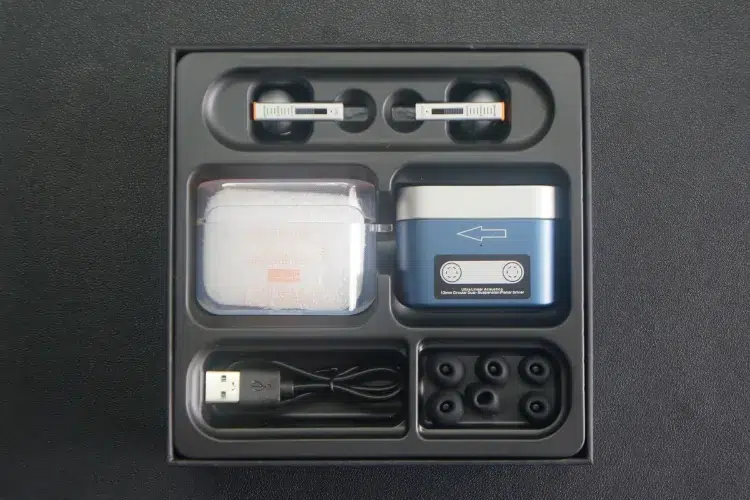
The Golden Ages lean into retro nostalgia with a Walkman-inspired cradle, cassette-style window, and orange accents. Their rectangular matte grey stems continue the vintage theme, though the busy design may divide tastes.
Lightweight and pocket-friendly, they offer comfort and portability, but their open-style build provides less isolation than more modern IEM-style fits.
The Star Rail Robin, on the other hand, takes a contemporary, character-driven route. Its large cylindrical case features a holographic Star Rail Robin illustration with gold accents, though bulk limits portability.
The earbuds use an IEM-shaped resin shell with an iridescent blue-purple finish, offering both visual polish and improved ergonomics.
Compared to the Golden Ages, the Star Rail Robin balances flair with better isolation and a more secure fit. In practice, I found that the Golden Ages’ cradle was more pocketable than the Star Rail Robin’s.
Performance
In contrast to the Star Rail Robin’s fuller low-end response, the Golden Ages offers a mid-bass presentation that leans slightly warmer, giving bass guitars a touch more weight.
Still, the Star Rail Robin takes the edge in sub-bass extension, texture, and impact, delivering a more satisfying sense of slam.
The Star Rail Robin provides a more balanced midrange presentation with better overall dynamics, while the Golden Ages pulls ahead slightly in resolution.
Vocals follow a similar pattern. Male and female voices carry more impact and depth on the Star Rail Robin, though the Golden Ages extracts a bit more detail in female vocals specifically.
In the treble region, the Golden Ages can sound sharper and more sibilant compared to the Star Rail Robin, whose smoother top-end contributes to a more even-handed and cohesive overall presentation.
My Verdict
Even without the crossover branding, the MOONDROP x HONKAI Star Rail Robin stands out as a very competitive pair of TWS earbuds. It combines a well-balanced tuning with solid detail retrieval, engaging dynamics, and a comfortable fit, making it a strong option in its price class.
That said, there is still room for improvement; multi-device pairing and general connectivity could be more seamless, while the MOONDROP Link app would benefit from placing greater emphasis on standout features such as the versatile 5-band EQ.
For fans of HONKAI: Star Rail, and Star Rail Robin in particular, the set goes a step further by pairing its appealing aesthetic with an equally impressive sonic performance, making it both a collector’s item and a capable daily driver.
MOONDROP x HONKAI: Star Rail Robin Specifications
- Drivers: 1DD+1 Planar
- Bluetooth Version: 5.4
- Codec Support: SBC/AAC/LDAC™/LC3
- Charging Port: USB-C
- Working Distance: Approximately 10 meters (in an unobstructed open environment)
- Earphone Charging Time: About 2 hours
