

Synergy
The Atheia were eminently drivable across all sources used, a testament to the sensitivity, along with the ease with which power could be delivered through them.
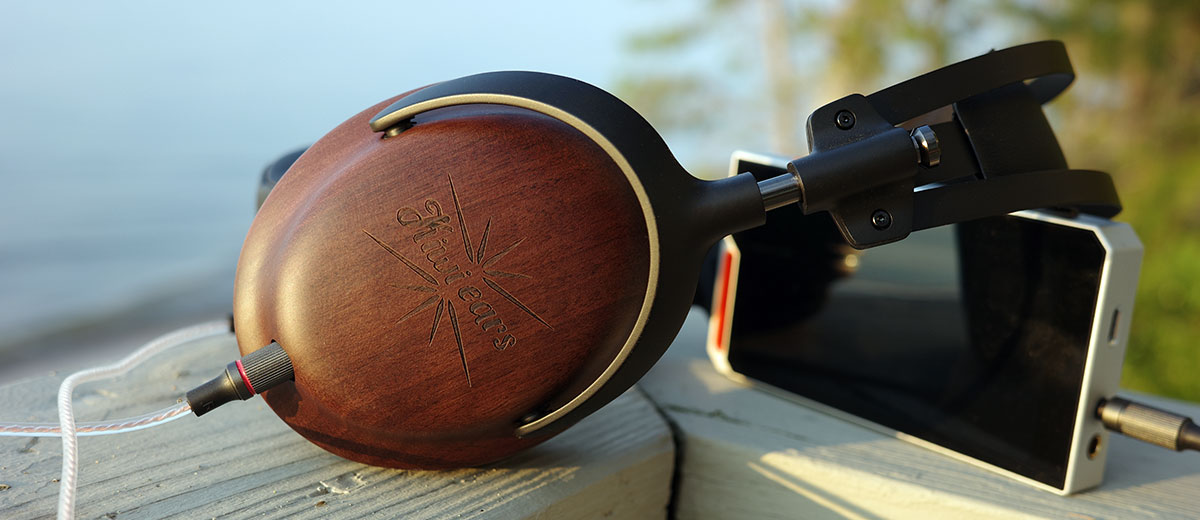
Paired with the HiBy R4, the Atheia came across as musical with a bit more warmth than the FiiO, which was to be expected. Using the stock cable afforded the extended bass region, and a withdrawn midrange.
Still presenting a musical flair that comes across as smoother rather than detailed, this was my preferred pairing for the majority of the testing period.
Adding the xDuoo TA-32 to the mix allowed for an even more musical response through the tubes, but without becoming gooey or too mushy.
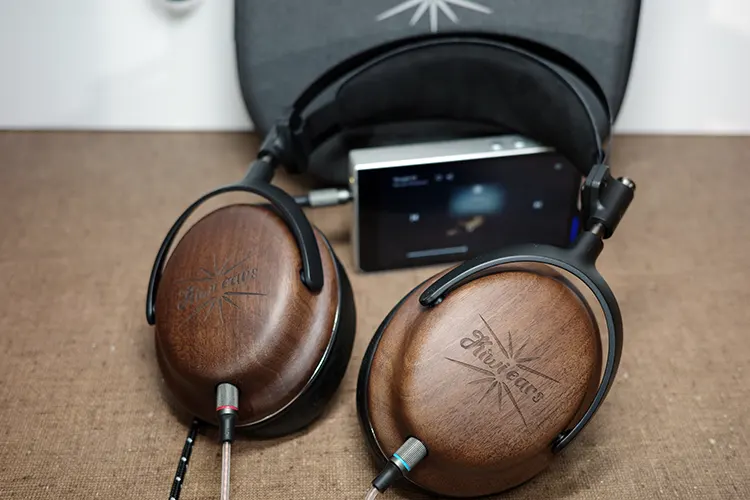
Conversely, the FiiO JM21 came across as slightly more detailed, which was not unexpected either, even tethered to the TA-32. The highs reached a bit higher without losing weight, while the midrange came across with a bit more energy while still being withdrawn.
The UDP-5 presented an opposite response, with a succinct quality that immediately offered better clarity to the signature.
The low-end hit with a more controlled, authoritative response, too. Quicker attack and decay, without losing note weight, showed that the Atheia could be “controlled” with a very good mid-fi solid-state amplifier.
The Atheia paired differently between the two amplifiers, and there seemed to be a better synergistic relationship with the JC Acoustics amplifier.
From what I have read, this seems to be the case, pair the Atheia with a quality desktop amplifier or “higher-powered” DAP for best results. I would agree, allowing for a copious break-in period, too.
Selected Comparisons
FiiO FT3 (32Ω)
Features
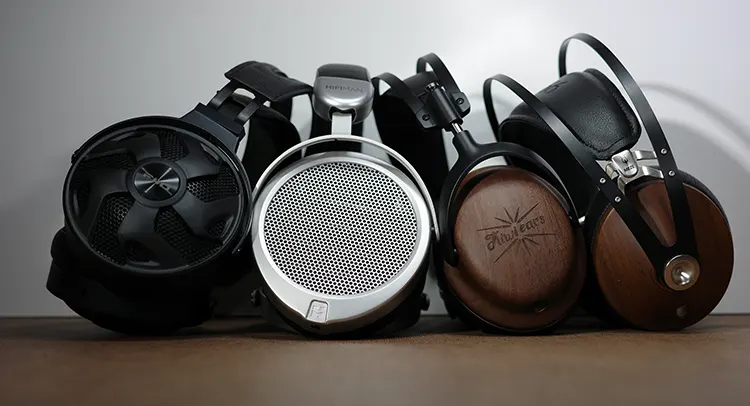
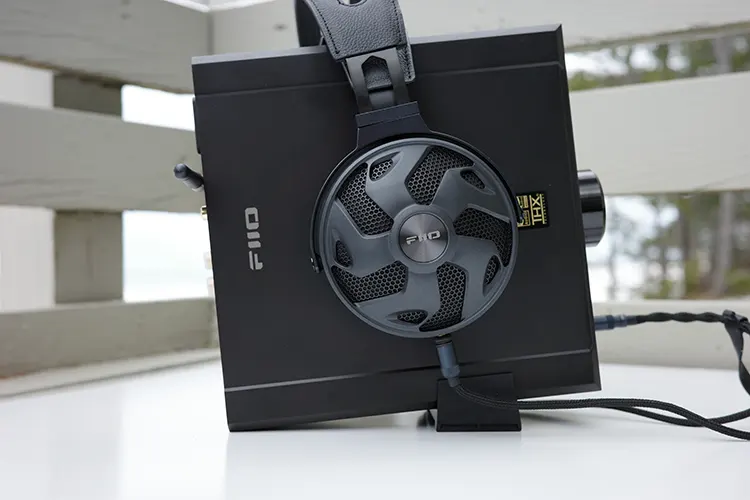
The FiiO FT3 32Ω uses a 60mm dynamic driver with an LCP Aluminum metal-plated gasket and an aluminum metal diaphragm. Larger than the Atheia, and it shows when you put them on.
The rated sensitivity is 110 dB @1kHz with the 32Ω sensitivity, making it slightly more sensitive and easier to drive than the Atheia. I found I needed to raise the volume by about -10 dB versus the Atheia, though.
The combination makes the FT3 32Ω and the Atheia easier to drive for those who do not have an amplifier capable of handling the higher-impedance headphones. But, add power and both appreciate it.
The FT3 comes with a 3.5mm cable just like the Atheia, but a 4.4mm balanced cable was included with my pair.
Design
The spoke-like spider wheel design on the back takes a bit of getting used to, but with its unique design, I have come to appreciate it.
Neither too garish, nor flashy; it fits the model, showing that differences in design are all right. I do appreciate the more subtle look of the Atheia, though.
The suspension system of both has dual sub-systems, with a pleather headband and a more sturdy metal band above. Both function well, allowing for a comfortable fit and long sessions.
I do like the sub-suspension design of both, due to the tension provided, which was neither too much nor too little.
The gray coloring of the cup and spokes makes a nice, subdued look, and those spokes look like a raven running if you look closely.
The darker gray of the headband and sub-suspension add to the subdued look, while the honeycomb protective layer gives a 3D look to the cup. Modern versus classic, both carry appeal.
Performance
The FT3 32Ω is easy to drive, and with the ability to change pads quickly, you can tailor the sound with two distinct signatures. The Atheia pads can be changed for aftermarket, and I have read a few reviews that used the aftermarket brands successfully.
The lower impedance FT3 embodies a certain amount of warmth and richness at the expense of some clarity, but not as much as the Atheia. Of the models compared here, these two were the closest in signature to a more emotive, musical aspect.
The warmer signature of the FT3 also carried better control down low. Attack was quicker, while a slightly longer decay helped to give good presence that carried into the midrange without bleed.
The Atheia, on the other hand, has that bloated bass into the mids, hence those are moved forward and up to counter.
Both present a fairly even and smooth signature, but the FT3 offers better control. The soundstage on the FT3 32Ω is quite wide and deep, giving the notes room to spread out, but not become too thin, where the Atheia stretches a bit higher due to the expanded midrange.
Meze Audio 99 Classics
Features
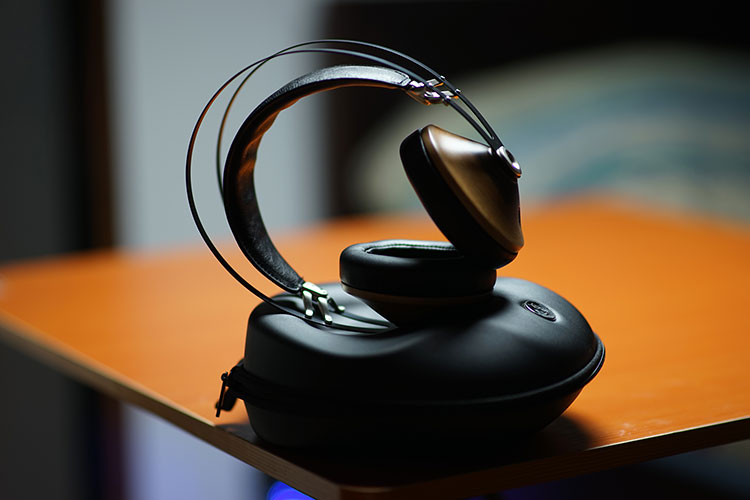
The Meze Audio 99 Classics is a single dynamic 40mm driver, woody enclosed supra-aural headphone that needs no introduction. Lauded as the benchmark (still) in this market, the comparison is natural.
The 99 Classics is designed entirely in-house. It was designed in a manner that practically every part is replaceable, and keeps the DIY crowd happy, while having a hefty warranty on these solid-looking cans.
The 40mm dynamic driver has a sensitivity of 103dB at 1KHz, 1mW, and an impedance of 32Ω, making the 99’s eminently drivable. The newer Atheia does use the 50mm dynamic driver and 14.5mm planar driver, but has identical measurements to those listed above.
The 1.2m cable in the 3.5mm single end variety is easily changeable as long as you have a narrow-fit jack, such as the ddHiFi Air Nyx 4.4mm balanced cable I used. Stock, both options utilize 3.5mm jack cables.
Design
Coming in at 260g (9.2 ounces), without cables, along with those gorgeous walnut wood cups, highlights the build. Light, stunning in looks, and an easy fit. Having an all-metal and wood build combine to make the 99’s a “classic” looker. The Atheia does come in heavier.
That build is entirely made of walnut wood, zinc, ABS, silicone, and spring steel and finished with pleather and memory foam (many aftermarket options). Each component is user-replaceable, while the Atheia is not.
While the Meze set the tone for affordable, quality-built headphones, the Atheia follows in that same vein with very good looks and build.
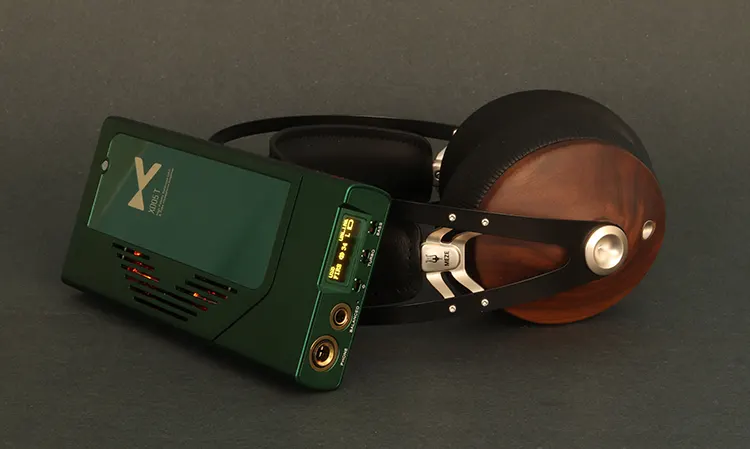
My pair comes in the traditional walnut, with black stanchions and yoke, highlighted in silver connecting hardware. The Atheia has an elegance to it with the walnut, black aluminum stanchions, and dark gray burnished yokes. Both are excellent to look at.
There is more fore/aft and side-to-side play in the Atheia cups, which may give the user a better fit. I do find the 99 Classic cups to be a fairly tight fit, so the Atheia has a leg up there.
The fit, while excellent, falls a bit behind the Atheia due to the smaller, stiffer ear cups.
Performance
The 99 Classics have a very natural-sounding tonality, avoiding anything overtly warm and colored, which is a welcome relief.
There are some colorations in the warmish bass and forward vocal presence, which gives it a very addictive musical presentation and pushes all the right buttons for relaxed and pleasurable listening. The 99 Classics, at the time, were essentially the baseline standard at this level.
Where the Meze is into the details, the Atheia has a more emotive effect, even with that broad-sounding bass.
The 99 Classic’s sound is fairly controlled, with excellent detail retrieval that the Atheia cannot match. That may not be a fair comparison point, since the tuning of the Atheia may be for different purposes.
The soundstage and extension for the 99 Classics are not bad, actually, for a smallish, closed headphone with a bit more height than depth. That forward vocal presence does bring it in a bit closer than the Atheia, which carries the upward tilt of vocal presence.
However, the 99 Classics does a great job of keeping instrumental separation clear and conveys a fairly accurate image, better than the Atheia.
This will come down to accuracy, details, and excellent imaging, versus a more organic, emotive experience with a bit too much down low.
HIFIMAN Deva Pro
Features
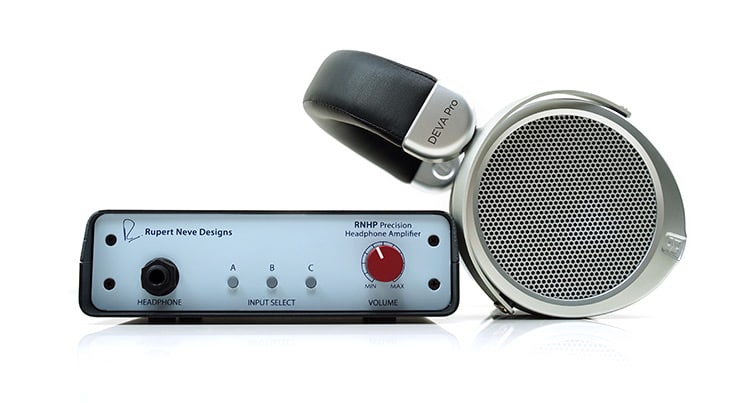
The efficiency and load ratings of the Deva Pro at 18Ω and 93.5 dB SPL are much lower than the Atheia, making it much harder to drive. On the JC Acoustics, I ran the volume consistently, -20 dB higher to attain a near-even volume.
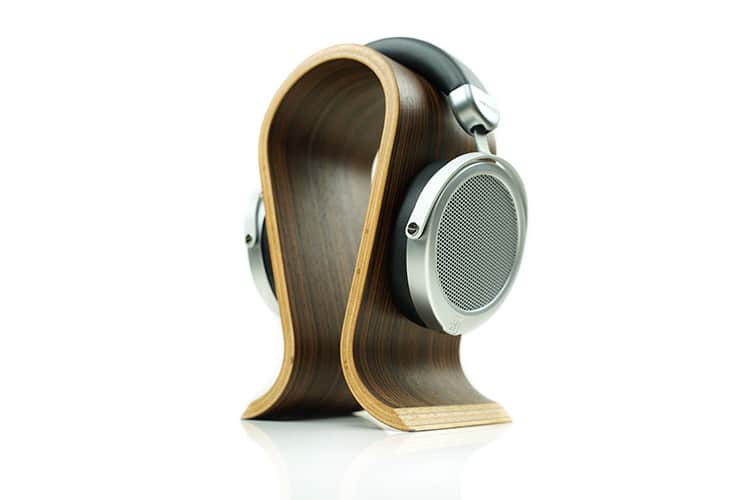
The Deva Pro still uses a circumaural planar driver design inside an open back enclosure with a super-thin NEO “supernano” diaphragm (NSD), along with (then new) Stealth Magnet technology, which has different shapes and compositions, allowing the sound to travel across its plane with less interference..
Not only is the material light and low in mass, but it is apparently tight, really durable, and designed to produce a very high-quality, fast-sounding dynamic response compared to regular planar diaphragms.
There is no denying the speed at which the Deva Pro delivers sound over the slower attack and decay of the Atheia.
At 360g, it is slightly lighter. Both come with a 3.5mm single-ended cable, but the R2R BT gives the Deva Pro wireless capabilities.
Design
If it came down to looks alone, the Atheia would win going away. The Deva Pro is from the heavy silver plastic era, and as such, it looks and feels of a lesser quality.
The gimbals, large silver screws, and cup grills all carry a silver plasticky look to them, which to me falls below the Atheia’s elegance.
The pleather headband has metal inside (to help run the headband, one would think), but is of a singular design. As such, comfort falls behind the Atheia’s dual band as well.
For this level, though, it’s perfectly fine, and whilst the mix of plastics, synthetic leather, and aluminum might not be of true high-end quality, visually it looks different and can draw your attention.
The ear pads are another thing, though. Stiff as all get out, they do hold their shape, but prevent a solid fit, especially with the lack of give and fore/aft & side-to-side movement of the ear cups.
The Atheia is a modern version of a cushy sofa that also supports you nicely, with a much better fit and comfort.
Performance
The Deva Pro offers a very neutral sound with surprisingly deep bass for a lower-priced planar magnetic headphone.
The bass never overpowers the rest of the range, and there is no bleed into the midrange, which keeps the overall sound very clear. The Atheia, on the other hand, comes across as emotive with a less controlled bassline (bloated).
I am enthralled with the accuracy of presentation on the Deva Pro and still pull it out regularly for listening.
The midrange is slightly forward-sounding, which pushes vocals ahead of the mix and keeps things quite lively; both male and female voices have enormous presence and texture, which keeps the sound quite natural.
The soundstage is more expansive than the closed-back Atheia, naturally, but not cavernous, where you might lose detail or presence.
That aspect of some planar designs loses its charm when musicians feel like they are in a huge performance hall, when instead, the recording was made in a very small hall or studio. You can tell both carry planar drivers, but the Atheia pairs nicely with the dynamic driver.
What you get with the Deva Pro is a fairly neutral low-end with not a huge amount of sub-bass power, more of a mid-bass bump if anything, albeit a bit tighter and more impactful than the Atheia’s tuning. Staging is more about the center image with some decent height and moderate depth.
An open-back that performs differently, and it should, from the Atheia, but has some of the same good talking points.

My Verdict
There is no denying the stunning looks of the Kiwi Ears Atheia. The gorgeous walnut cups highlight the build, while the subtle black and burnished dark-gray stanchions, gimbals & yoke make for an elegant look. The fit is very good, too, with plenty of give and play to fit most.
The bass rules the signature of the Atheia, which can be both good and bad. Deep reaching, with authority, there is good rumble down-low with heft, but not with as much control as one might like. That slower attack and decay make for an unkempt bottom end, which tends to overshadow everything else.
The midrange has good vibrancy, while being lifted and a bit more frontal to counter that, but almost at the expense of being too much countering instead of melding.
The top-end does offer good weight, with a pleasant extension that does not become too sparkly or tizzy, helping to even out the signature a bit.
That bass will not be for everyone, though. The longer I listened, the more attuned I became to its qualities. But that bloating will not appeal to some.
That said, the gorgeous looks, emotive musical response, and a build that borders on making others look criminally bad may just counter that shortcoming.
If you like deep-reaching, untamed bass that delivers good midrange and vocals, then you probably owe yourself a listen to the Atheia. It may just be worth it.
Kiwi Ears Atheia Technical Specifications
- Drivers: Dynamic 50mm + Planar Magnetic 14.5mm
- Frequency Response Range: 20Hz~40KHz
- Sensitivity: 102 ±3dB @1KHz 1mW
- Impedance: 32Ω ±10% @1K Hz
- THD: <0.5% @1KHz 1mW
