

Synergy
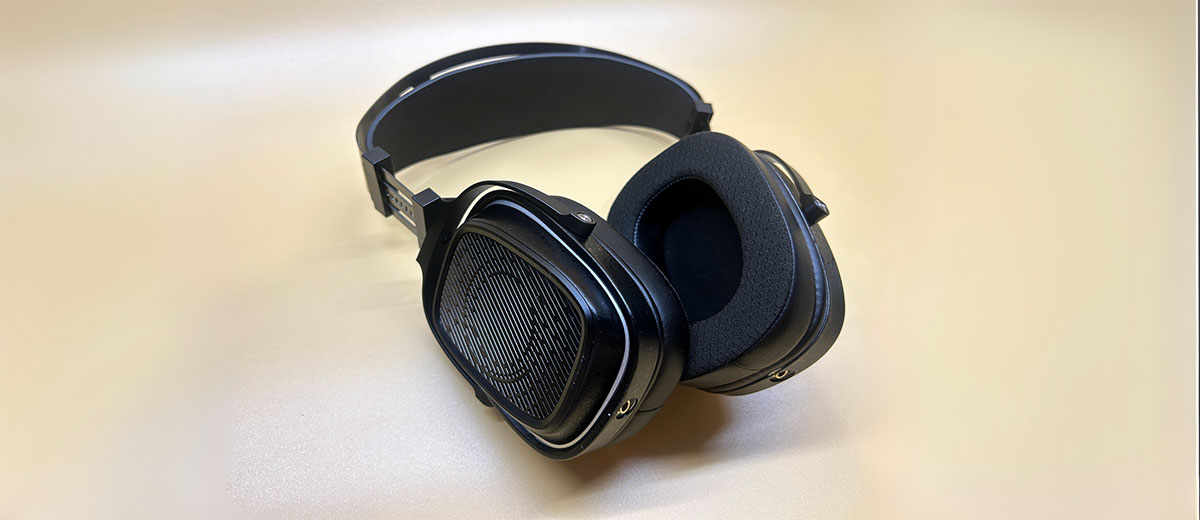
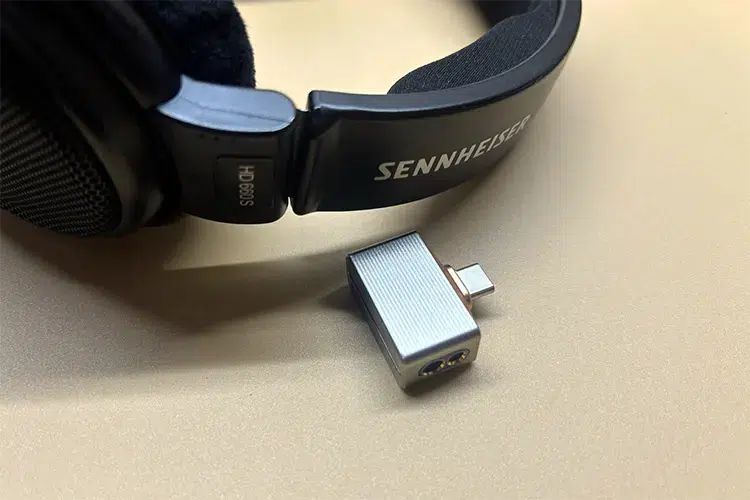
The BAROQUE immediately impressed with how easy it was to drive. Even when powered by a compact balanced dongle like the iFi audio GO link Max, it reached comfortable listening levels without sacrificing detail or dynamic performance.
Whether paired with portable wireless gear like the FiiO BTR13 or more powerful desktop setups like the 4.3W R2R Shanling EH2, the BAROQUE consistently maintained its signature warm tonality, along with solid dynamics and imaging.
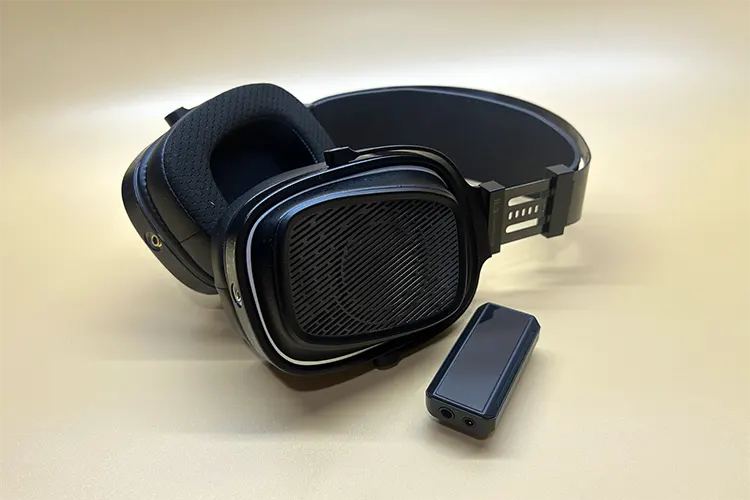
Pairing it with a hybrid tube amplifier like the xDuoo DM-01 added even more midbass warmth, but in this case, the result leaned too far into warmth for my tastes. Throughout testing, the BAROQUE paired best with the FiiO K11 R2R and the FiiO BTR13.
On a desktop setup, the K11 R2R had no trouble driving it and brought out additional heft in the lower mids that complemented the headphone’s character.
Taking advantage of its efficiency, I often brought the BAROQUE out of the house to cafes and office spaces, where I used it with the FiiO BTR13.
Whether over Bluetooth or a wired connection, the BTR13 handled it with ease, finally letting me enjoy full-sized headphone sound on the go, even if it meant drawing a few curious stares for the oversized leather pads on my ears.
Select Comparisons
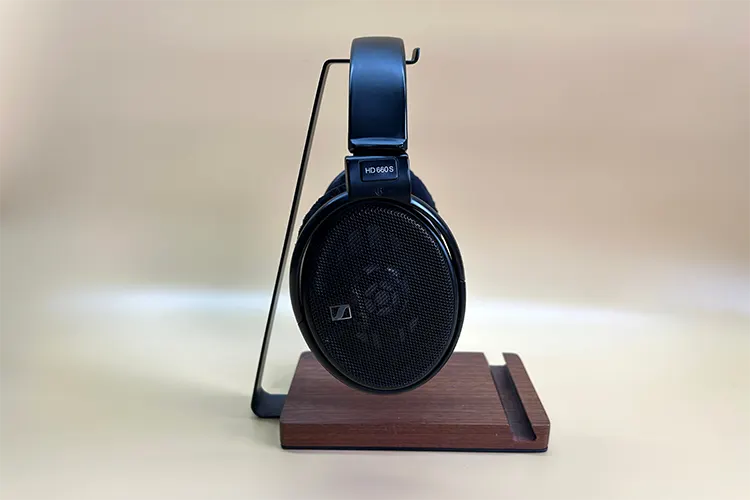
Sennheiser HD 660s
Technical
The Sennheiser HD 660S features a 150-ohm impedance dynamic driver with a sensitivity of 104 dB. The BAROQUE is equipped with a 60mm dynamic driver, has a 64Ω impedance, and a sensitivity of 109 dB/Vrms, making it far easier to drive across a wide range of sources, including portable ones.
While the HD 660S does not demand extreme amplification, it noticeably benefits from desktop-class gear to sound its best. The BAROQUE, on the other hand, reaches near-full performance even from moderately powered dongles and Bluetooth DACs.
In practice, the HD 660S was significantly harder to drive, though this highlights more how impressively efficient the BAROQUE is, rather than implying the HD 660S is difficult to drive.
Design
The HD 660S follows Sennheiser’s classic utilitarian design of lightweight, matte black plastic, with oval-shaped cups and a simple but highly effective headband system. Build materials favor comfort and opulence, whereas the BAROQUE aims for a more premium visual and tactile appeal.
The Sennheiser uses plastic and velour extensively, which keeps the weight low and makes long-term wear comfortable.
Compared to the BAROQUE’s magnesium-alloy build and hybrid ear pads, the HD 660S feels less premium but also more comfortable. The BAROQUE, however, isolates slightly better due to its deeper pad depth and more form-fitting structure.
Users who prioritize industrial design and heft may prefer the BAROQUE, while those who seek lightweight and long-term comfort may lean toward the HD 660S.
Performance
Sonically, the HD 660S delivers a more V-shaped tuning with improved sub-bass compared to the BAROQUE. Its mids are a bit more scooped out, lacking the resolution and dynamics of the BAROQUE, especially in string instruments.
This lets the HD 660s excel better in hip hop and pop tracks, but I preferred the more natural warmth and tonality of the BAROQUE in jazz, acoustic, and funk tracks.
The BAROQUE gives a wider but less focused sound stage, while the HD 660S has a more centered presentation with pinpoint imaging.
Neither earphones strive for pinpoint accurate detail resolution, but they both offer sufficient detail retrieval as not to detract from their unique tuning styles.
Comfort-wise, the HD 660S has the edge. Despite having a stronger clamp, it’s significantly lighter than the BAROQUE and comes with more breathable pads, making it more comfortable for long-term use.
The BBAROQUE’s heavier build and snugger fit, while solid and premium-feeling, can become fatiguing over extended sessions.
The HD 660s, with their V-shaped sound signature, are a more intimate and fun-sounding pair of headphones, while the BAROQUE’s warmer tuning with a lusher midrange makes it more preferable for relaxed listening.
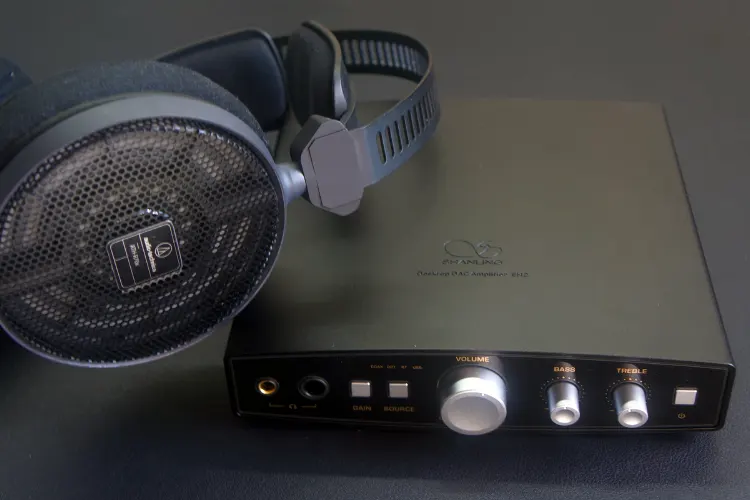
Audio-Technica R70x
Technical
The Audio-Technica R70x houses proprietary 45mm dynamic drivers and sports a high impedance of 470Ω with a sensitivity of 99 dB/mW, requiring a powerful amplifier to perform optimally.
The HarmonicDyne BAROQUE uses larger 60mm dynamic drivers with a 64-ohm impedance and a sensitivity of 109 dB/Vrms, making it far more efficient and source-friendly.
The R70x requires desktop-class amplification to fully unlock its resolution and staging performance, while the BAROQUE performs well even when paired with portable sources like dongle DACs or Bluetooth amps. In practice, the R70x proved more demanding to drive.
Design
The R70x has a minimalist and lightweight build, designed with long-term studio use in mind. Its honeycomb aluminum earcups and self-adjusting 3D wing support system give it a functional yet distinctive look.
In contrast, the BAROQUE features a more stylized design with matte-finished plastic cups flecked with subtle glossy specks.
While the R70x focuses on practicality and disappears on the head after just a few minutes, the BAROQUE leans into a more premium design philosophy that comes with some additional heft
The R70x is significantly lighter, with a more relaxed clamp and breathable build that makes it easier to wear over long sessions.
The BAROQUE, while solidly built and premium-feeling, can become a bit fatiguing physically due to its heavier frame and snugger fit.
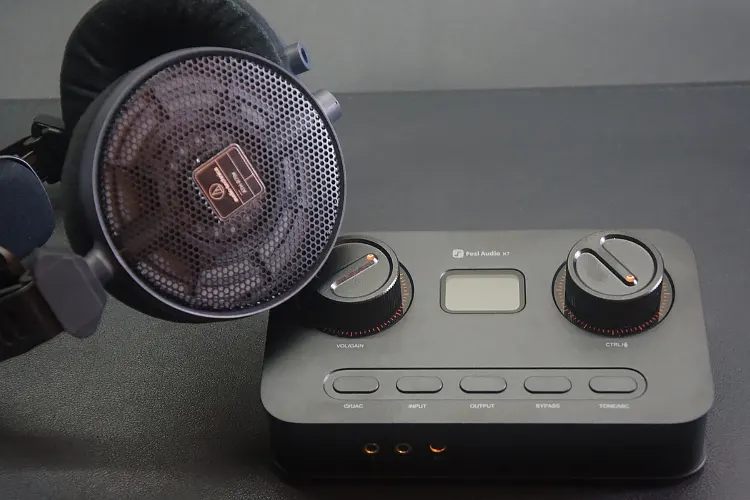
Performance
The R70x leans toward a more reference-style sound, with a noticeably lighter bass response compared to the fuller, more impactful low end of the BAROQUE.
Bass guitars and kick drums hit harder and with more authority on the BAROQUE, making it the more engaging option for genres like funk, hip-hop, and modern pop.
The R70x sacrifices some of that punch for a cleaner, more articulate midrange.. Female vocals, in particular, come through with greater clarity and detail on the R70x, while the BAROQUE adds more warmth and weight to the voice.
Soundstage is another area where the R70x pulls ahead. It presents a noticeably wider and more open soundscape, with a more airy treble and delicate upper-end presentation.
Treble on the R70x also has slightly more energy and finesse, enhancing the harmonic detail of stringed instruments.
However, the BAROQUE pushes back with more weight in the lower mids and better percussive texture, lending it a more grounded and physical feel in rhythm-heavy tracks. The BAROQUE provides better passive noise isolation, while the R70x feels more transparent and breathable.
Overall, the R70x shines with stripped-down acoustic tracks, folk, and country music, where resolution, treble air, and vocal clarity matter most.
The BAROQUE, on the other hand, thrives in more modern and beat-driven genres where impactful bass and midrange warmth elevate the listening experience.
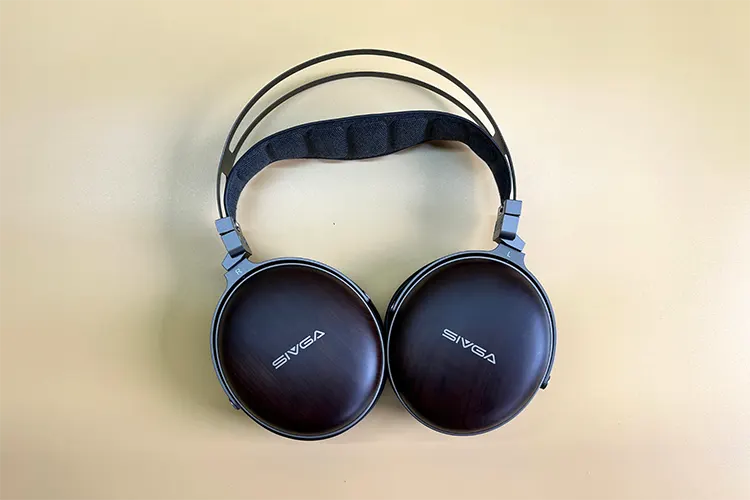
SIVGA Peng
Technical Performance
The HarmonicDyne BAROQUE is an open-back headphone equipped with a 60mm dynamic driver, featuring a 64Ω impedance and a sensitivity of 109 dB.
It’s tuned for easy drivability, performing well even with lower-powered sources like mid-range dongles and portable players, though it does benefit from better amplification for optimal performance.
The SIVGA Peng houses a 50mm dynamic driver but pairs it with a much higher 340Ω impedance and a sensitivity of 102 dB.
As expected from the specs, the Peng was noticeably harder to drive in my testing. While the BAROQUE ran fine off modest sources, the Peng required a more robust amplifier—one capable of delivering over 1W—to sound its best.
Design & Comfort
The SIVGA Peng presents a luxurious build with solid wood earcups, finely polished metal accents, and plush velvet-lambskin hybrid earpads. The steel suspension system beneath a padded leather headband contributes to a well-balanced and refined design.
The attention to detail in the wood finish and machining imparts a handcrafted feel, with articulate earcups and angled pads forming a secure yet comfortable seal.
The BAROQUE, on the other hand, adopts a more understated design. It features a matte CNC-machined aluminum shell paired with a metal yoke and headband structure, lending it a sleek, modern industrial aesthetic.
While it doesn’t offer the same premium materials as the Peng, the BAROQUE’s hybrid mesh-protein leather pads and open-back structure make it more breathable for extended sessions.
In real-world use, the BAROQUE felt noticeably lighter on the head, making it more fatigue-free for long listening.
However, the Peng ultimately offered a more secure and ergonomic fit for my head shape, thanks to its thicker and softer pads that provided better weight distribution.
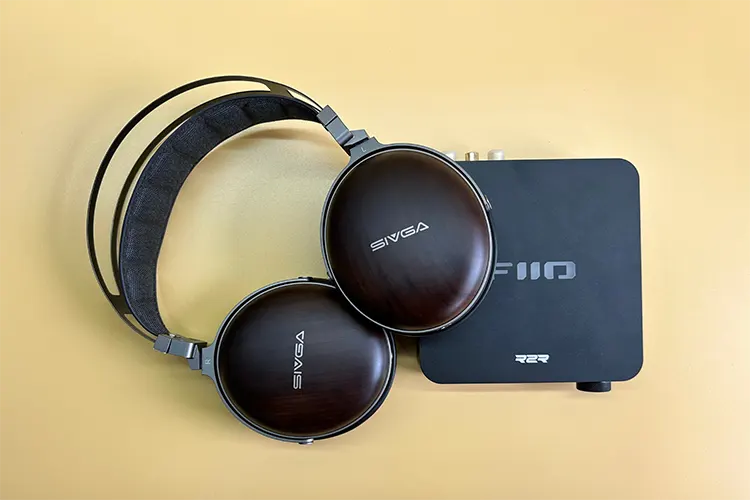
Performance
The BAROQUE offers stronger sub-bass extension, giving its low-end a more controlled and deeper rumble. In comparison, the Peng emphasizes mid-bass with a smoother, more rounded warmth, adding heft to bass lines but with a touch less definition.
Midrange performance favors the BAROQUE. Instruments like guitars and strings have a livelier, more detailed presentation, and vocals carry a natural presence that feels intimate yet resolving.
Brass instruments also have more impact and realism in the BAROQUE, enhancing the experience in jazz and funk tracks.
Treble is another area where the BAROQUE stands out. Its upper range is more extended and articulate, revealing fine details in cymbals and hi-hats without veering into harshness.
The treble tuning strikes a balance between energy and refinement, offering clarity without fatigue.
Meanwhile, the Peng opts for a more laid-back treble tuning that’s easy on the ears. While it may lack the sparkle and air of the BAROQUE, it maintains a coherent top-end presentation with no sibilance or sharpness, making it a great pick for long listening sessions.
When it comes to imaging and soundstage, the BAROQUE edges out the Peng with a wider, more open field and improved spatial accuracy. The Peng’s presentation is slightly more centered and intimate, with less instrument separation, though still respectable for its class.

My Verdict
The HarmonicDyne BAROQUE is a well-built pair of open ear headphones with a lush, warm sound signature that balances good detail and resolution with class-leading efficiency and drivability.
Those looking for the pinnacle of detail resolution and cleanliness may need to look elsewhere. The BAROQUE excels in its ability to play back music in a relaxed, dynamic manner while preserving good details and texture.
With how easy it is to drive, any listener with a preference towards warm, leaning sound signatures and pinpoint instrument imaging should give the BAROQUE a listen, even if they don’t necessarily have full desktop-class amplification.
HarmonicDyne BAROQUE Technical Specifications
- Driver: 60mm Dynamic Driver
- Acoustic Design: Open Back
- Impedance: 64 Ω
- Sensitivity: 109 dB
- Frequency Response: 10 Hz – 50 kHz
