

Synergy
Efficiency
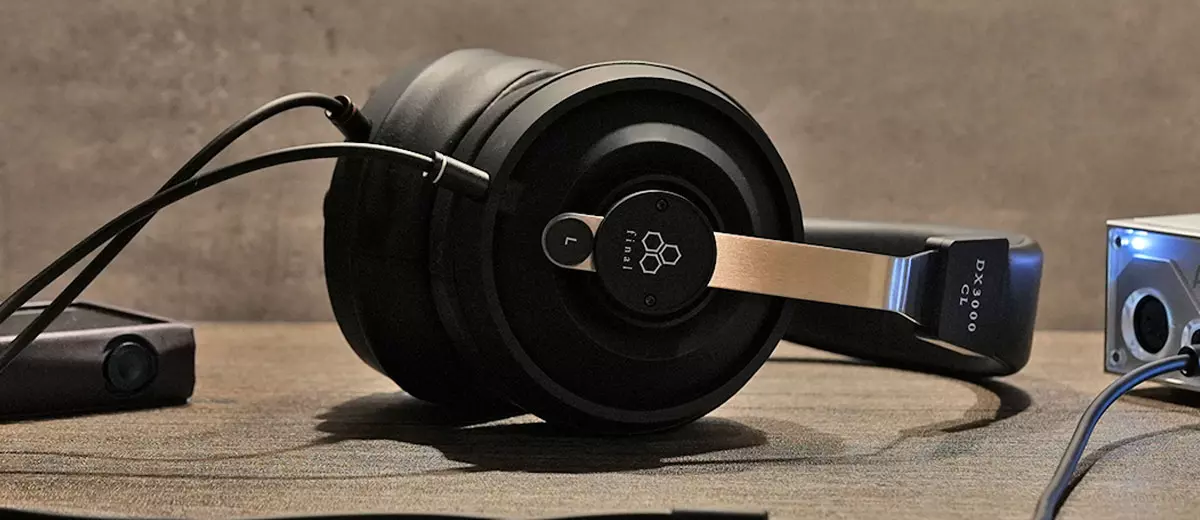
Rated at 37Ω in impedance and 96 dB/mW in sensitivity, the final DX3000 CL isn’t exactly a very easy-to-drive set of headphones.
In other words, an amplifier or a powerful DAP would make it sound much more dynamic. Little hiss is picked up, so a very clean background is maintained.
Pairings
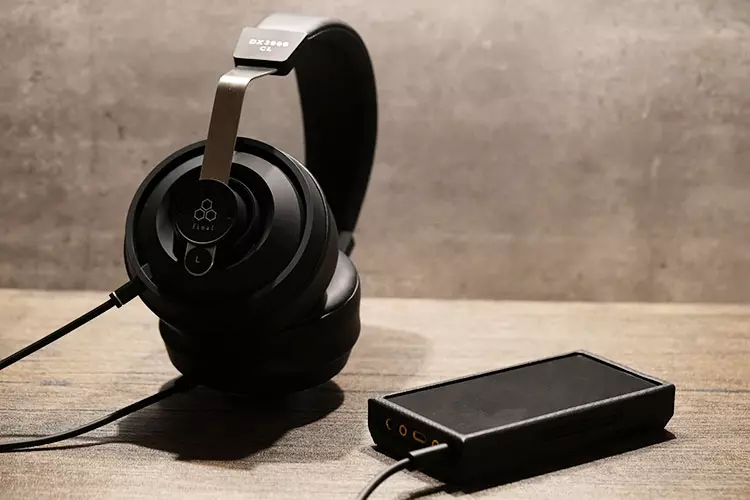
You can easily notice differences in the firmness of the attack when switching between different gain levels, so the perceived tuning gets a little bit sharper when fed with the highest gain levels.
Despite this, the DX3000 CL remains agile in bass impact even when driven by a less powerful source. It delivers clean, impactful bass with sufficient separation of the vocal from the backing.
There is good fullness in the lower end, which helps the DX3000 CL to synergize with gears that sound clean or neutral, giving them more energy in the bass and enriching the vocal body.
With a setup that is slightly on the bassy side, such as the recent Warmer R2R DAC from FiiO paired with the D&A Alpha PRO, the bass gets punchier and overwhelming. This might work for slow jazzes and cleaner voices, but may sound slightly fat with darker,
Testing with the Shanling M7T, a rather powerful Tube portable audio player, it can also power the DX3000 CL well, sounding dynamic and engaging, with satisfactory separation of power and extension.
The DX3000 CL is quite responsive to the colorings from the output. I tried some instrumentals and House on this combo, and there are a good hint of warmth and a pleasing elevation in the upper treble, while the bass sounds punchy yet textured.
On the other hand, the tube mode provides a very warm and embracing, stereophonic image that fills the space nicely. Switching to transistor mode gives a cleaner outline and smoother mid-range performance, which works better with thicker, darker voices.
Selected Comparisons
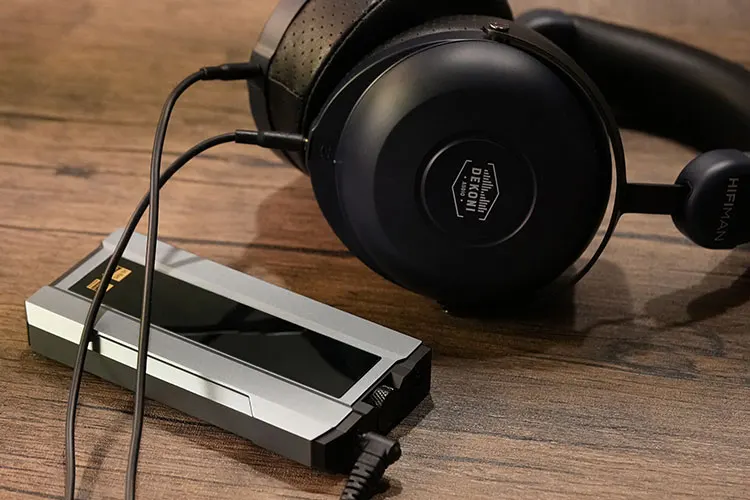
Dekoni x HIFIMAN Cobalt
Technical
The Dekoni x HIFIMAN Cobalt Closed-Back headphones feature 45mm dynamic drivers, differing from HIFIMAN’s typical planar designs.
With a low impedance of 16Ω and 101 dB/mW sensitivity, the Cobalt is comparatively easier to drive, making it suitable for portable sources with room to scale on desktop amplifiers.
Design
The Cobalt employs a traditional design and is made from plastic. It feels lighter in the hand and quite rugged.
Comparatively, the DX3000 CL has a better build and a more artistic design, with smoother hinges and a more premium finish to the touch. The build on the cable is also nicer on the DX3000 CL.
As the Cobalt is a collaborative effort from Hifiman and Dekoni, which sells earpads, the earpads on the Cobalt are slightly superior in my opinion, being more breathable, though the seal is better on the DX3000 CL’s pad.

Performance
Putting both headphones on the FiiO K17, where there is sufficient power, the Cobalt exhibits a clean, dynamic output with smooth mids. The DX3000 CL has a punchier, more expressive, and expansive low end, and slightly more body in the vocal range.
Comparing the two at higher volume, the DX3000 CL has stronger definitive power and layerings, even when the bass intensity is stronger than on the Cobalt. Instrument positioning is more precise, and a stronger sense of depth is perceived.
The vocals on the DX3000 CL also feel more forward and unaltered, with spikes and harshness smoothed out more effortlessly.
The Cobalt sounds clearer, giving weaker vocals a stronger outline, but may sound more aggressive compared to the DX3000 CL, which renders the mids more smoothly and in a more sweetened and rounded manner around the sibilance zone.
When paired with a portable source that is weaker in power, the Cobalt seems to have a little bit of an advantage in clarity.
Whereas the DX3000 CL struggles to sound as clear in the bass, yet it maintains swifter articulation, and the overall definitive power is stronger, helping it to give clear instrument positioning.
In terms of transients, the DX3000 CL is also more capable of defining the bass while bringing out more air and power, keeping the decay clean and not dry, and allowing consecutive bass notes to not sound muffled while maintaining sufficient fullness.
The Cobalt is lighter in bass intensity, which allows it to maintain a clean output as well. However, when it comes to live recordings and bass guitars, or other instruments that require the chamber resonances to be more pronounced to sound engaging, it may feel a bit lacking in power.
Fostex TH900
Technical
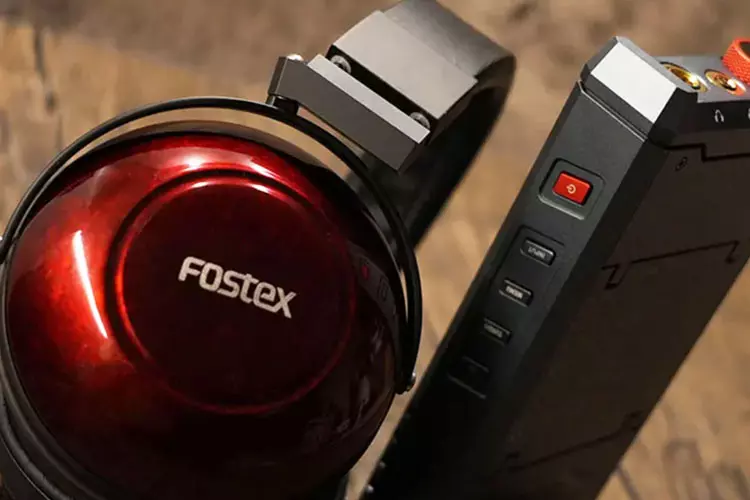
I have been using the Fostex TH900 extensively, and it is one of the most common single dynamic driver closed-back designs. It is also from a Japanese firm, so I am quite curious about the difference in performance when compared to the DX3000 CL.
Under the hood of the TH900, there is a driver of 1.5 Tesla flux density on each side, with a BioDyna diaphragm, and it is rated at 25Ω with 100 dB/mW sensitivity, which is slightly easier to drive than the DX3000 CL on paper.
Design
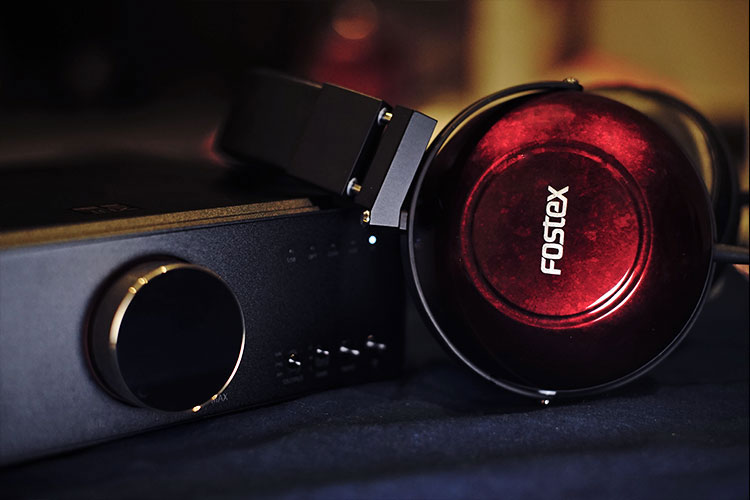
The Fostex TH900 comes with lacquered housing and a beautiful Bordeaux colored finish that is mesmerizing.
I am somehow amazed that there is little to no scratch after so many years, and the material resists wear and tear stronger than I thought it would be. The DX3000 CL looks stealthier and more modern in design, and both units feel similarly weighted in the hand.
Detachable cables weren’t common in the TH900 era. It has a 7N OFC cable soldered directly to its driver, which could enhance the connection quality but at the same time reduce cable rolling opportunities.
Performance
Comparing the two headphones on various setups, the TH900 shows a clear tendency to sound fatter and slower in the bass, and less separated in the mids.
The treble also sounds less rounded and thinner than on the DX3000 CL, which more skillfully retains air and details in the upper register while smoothing out the upper vocal harshness. The DX3000 CL also sounds more natural and 3D in imaging.
The TH900’s smoother signature is more suitable for classical music and higher-quality mastering. Whereas poor recordings may sound a bit bloated in the bass and flattened in the mid-lows.
The DX3000 CL kicks firmer and cleaner, which helps it to achieve better separation with the vocals while delivering stronger, more powerful lower bass that doesn’t bleed over to darker, fuller voices.
The DX3000 CL is suited to different genres of music with its stronger separation power and punchier bass.
Even in a lower power setup with a 6.35mm SE connection or with a lot of power in the output, the DX3000 CL delivers a stronger stereo image, more vocal forwardness, and better separation, and delivers the vocal with better authority.
There is a stronger sense of realism and layering, also good scalability with powerful amps, with the DX3000 CL.
Whereas the TH900 may be harder to tame as the mids need to be enriched, while the bass may get bloated with excess power, and it doesn’t feel as competent if you are looking for dynamic, punchy bass alongside good clarity.
My Verdict
While planar headphones are getting more common, some manufacturers keep challenging them with faster, more dynamic-sounding dynamic driver designs that allow elaborated bass to co-exist with fast transient response, and spike-free upper vocal performance.
On top of that, the final DX3000 CL has a nicely controlled bass response, as it doesn’t sound boomy or boxy while blocking outside noises.
The tuning also sounds natural, adequately expansive, plus the performance of the bass is commendable, especially when it comes to arena-level recordings, where traditional closed-back designs may sound congested.
For those who want something different from the tonal characters of planar headphones or prefer the more natural and lusher mids on dynamic designs, then the final DX3000 CL dynamic driver closed-back headphones are easily one of the more competent choices to consider.
Final DX3000 CL Technical Specifications
- Housing: Glass-fiber reinforced resin
- Driver: Dynamic driver
- Cable: OFC cable (4.4mm)
- Sensitivity: 96dB/mw
- Impedance: 37Ω(1kHz)
- Weight: 410g
- Cord length: 2m
