

Selected Comparisons
Campfire Audio Axion
Technical
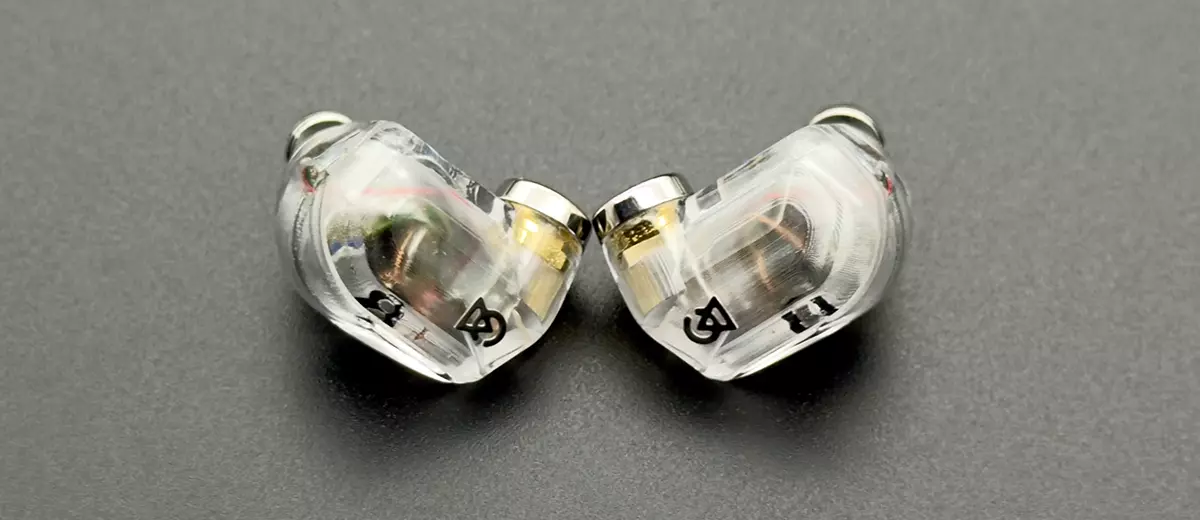
Campfire Audio’s Axion was released last year. It features a first-of-its-kind silicon dynamic driver that has a compact, box-like form factor similar to a balanced armature, yet it functions and sounds like a traditional dynamic driver.
The Iris uses a more premium 10mm ADLC dynamic driver to create that deep-reaching low end.
Axion has an impedance of 15.3 Ω at 1 kHz and needs 124.1 mVrms to hit Campfire’s usual benchmark of 94 dB. Iris is easier to drive and is the more sensitive of the two.
Axion is a special case, as the power demand is significant, and portable sources or dongles may struggle a bit here. Axion pairs better with lower-spec devices, such as smartphones and laptops, than with dedicated DAPs.
Design
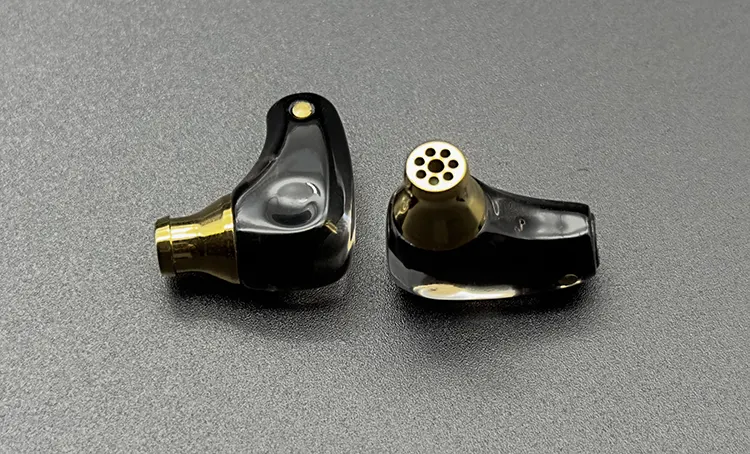
Axion features a very simplistic design. The shells have a bullet-style shape with a very lightweight and slim form factor.
These IEMs are worn straight down, with the cables hanging from the sides, similar to traditional earphones. Iris has the usual audiophile-style shells and is just as comfortable in the ears as Axion.
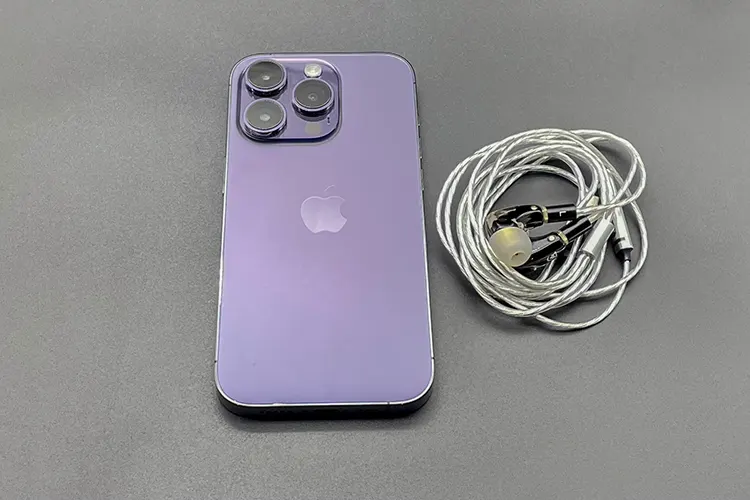
The stock cable on Axion has USB-C connectivity, which limits compatibility with dongles and certain audio sources that may not support USB-C audio.
However, it features a high-quality built-in DAC chip with a sample rate of up to 32-bit/384 kHz. The cable also features built-in microphones. It serves more as a plug-and-play mobile solution. Both IEMs use an MMCX connection.
In terms of packaging, Iris is a level above and includes a better array of accessories.
Performance
In the low end, Iris is clearly the bigger and bolder one. It carries a lot more weight, and it hits with more authority. You get that proper rumble and a thicker slam, so the whole sound feels more physical.
Axion is calmer. It still has bass, but it feels more balanced and more correct in level. Iris can warm things up on bass-heavy songs, while Axion keeps the mix tidier and more even.
Iris has greater lower-mid presence, so male vocals and string instruments sound fuller and more filled in. It is not a super forward midrange, but it has enough weight that nothing feels hollow.
Axion stays leaner in comparison. It is cleaner and lighter in tone. Iris also feels a touch more present through the main vocal range, so even with the heavy bass, the mids do not feel pushed back much.
Axion feels smoother and a bit airier overall. It has an easy top end that stays open without poking at you. Iris has more energy in a few spots, so the treble feels a bit more forward and more lit up at times.
That works in its favor because with this much bass, it needs some extra bite and presence up top. Otherwise, it would sound too dark.
Technically, Iris sounds larger. The stage feels more spacious, with a better sense of height and depth. Width is not largely different, but Iris gives notes more room around them, so layering feels cleaner. Instruments feel less stacked and more spread out.
Axion is still well-organized, but it comes across as more compact in presentation. Imaging on both is decent, not pinpoint sharp. Detail level feels slightly better on Iris, mostly because the extra space and separation help you notice things more easily.
THIEAUDIO Hype 4 MKII
Technical
The Hype 4 MKII is a 6-driver hybrid. It uses two 8mm composite diaphragm dynamic drivers for the low end, two of the latest Knowles RAB series drivers for the midrange, a Knowles driver for the highs, and a single Knowles ultra-tweeter for the ultra-highs.
It also gets the latest-generation IMPACT2 subwoofer system, shared with the Monarch MKIV. On top of that, it is built around a 4-way crossover with a 4-tube acoustic system.
The Hype 4 MKII has an impedance of 18Ω @ 1 kHz and a sensitivity rating of 101 dB/Vrms. The IEM can be easily driven by sources with less power, such as dongles and smartphones.
However, Iris is much more efficient and asks for far less power. On my LPGT, the Hype 4 MKII takes nearly 8–10 more volume clicks than the Iris.
Design
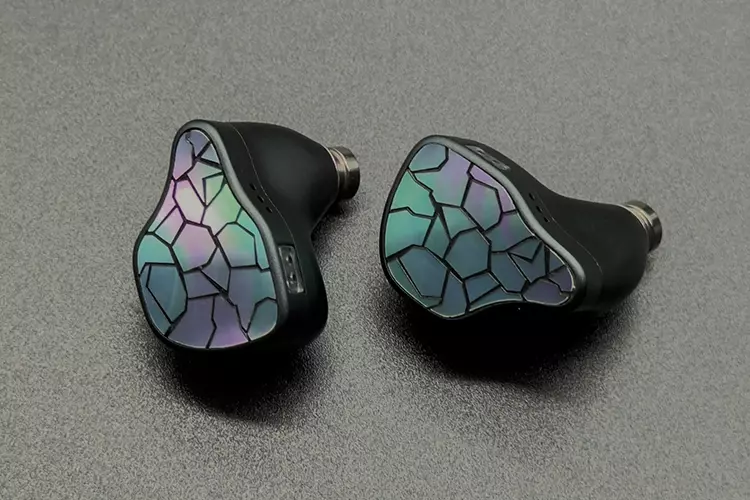
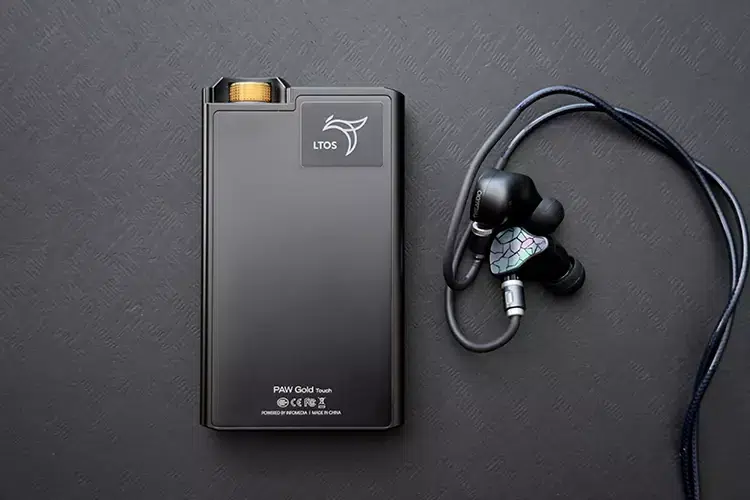
Hype 4 MKII’s shells are CNC-machined from solid aluminum blocks. The faceplate has a cracked, mosaic-style pattern that looks like broken tiles locked under a glossy layer. It shifts colors when it catches light at different angles.
These shells have a small footprint and are easy for small ears too, but they are a lot bigger than the tiny shells of Iris. The small, lightweight shells make Iris very comfortable, but the real trick is finding the right ear tips.
Hype 4 MKII uses standard 0.78mm 2-pin connectors, whereas Iris uses an MMCX connection system. It arrives in a more compact package but still packs a decent set of accessories.
The carry case is my favorite here. Iris does not have a proper carry case, but the leather wallet along with the Breezy Bag gives a wider spread of accessories. I prefer a modular cable over the two-cable approach on Iris, but overall, it does add to better inclusions.
Performance
In the low end, Iris is the clear “fun” pick. It carries more volume and more weight, and it stays thick throughout the whole bass line. You get extra warmth and a bigger, satisfying slam.
The Hype 4 MKII keeps it more balanced. It still hits, and it has good definition, but it does not lean into that bassy indulgence the same way. It feels tighter and more mature, while Iris feels more addictive.
Hype 4 MKII is the more neutral one in the midrange. It sounds cleaner and a bit drier, like it is going for clarity first. Vocals sit more up front and feel more “see-through” in the mix.
The Iris brings more warmth and body, especially in the lower part of the midrange. Male vocals and strings feel fuller and a bit more emotional. Iris does not push the mids hard, but it fills them in nicely.
The Hype 4 MKII has more energy overall, and it can come across as more detailed and more active. On some tracks, it can also feel a bit too eager. Treble feels more open with more air and sparkle on the Hype 4 MKII.
Iris keeps it easier. It has enough bite to avoid sounding dark, but it stays smoother in the overall feel.
Technically, Hype 4 is ahead in resolution and how it throws micro-details. The stage also feels a bit more open and spread out. Iris is not a technical slouch, but it is not trying to flex that way. It keeps things clean enough, handles busy tracks fine, and separates well.
Where Iris wins is macro-dynamics. Big swings feel more exciting, and the bass gives the whole presentation more impact and movement. Overall, the Hype 4 MKII leans more to the technical side.
DITA AUDIO Project M
Technical
The DITA Project M, like the Iris, has a single dynamic driver and a balanced armature configuration.
It features DITA’s in-house custom PM1+ 9.8 mm dynamic driver and a Knowles balanced armature driver. DITA developed this dynamic driver specifically for Project M. Both the DD and BA drivers are housed in highly optimized stainless-steel chambers.
Project M has an impedance of 32 Ω at 1 kHz and a sensitivity rating of 107 dB/Vrms. While I don’t find it too hard to drive, it demands a good amount of power to show its full potential.
Iris, on the other hand, is super easy to drive and does not ask for much power. It’s sensitive like most Campfire Audio IEMs, so you won’t want to feed it too powerful sources. On my LPGT, Project M takes quite a few more volume clicks than the Iris.
Design
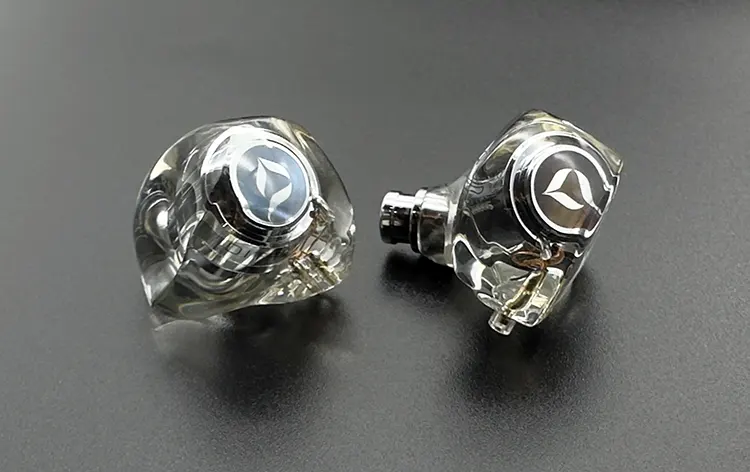
Project M is a resin-based hybrid IEM. It features a unique shell design that stands out from typical resin models. It has a very ergonomic shape and a solid, rigid structure.
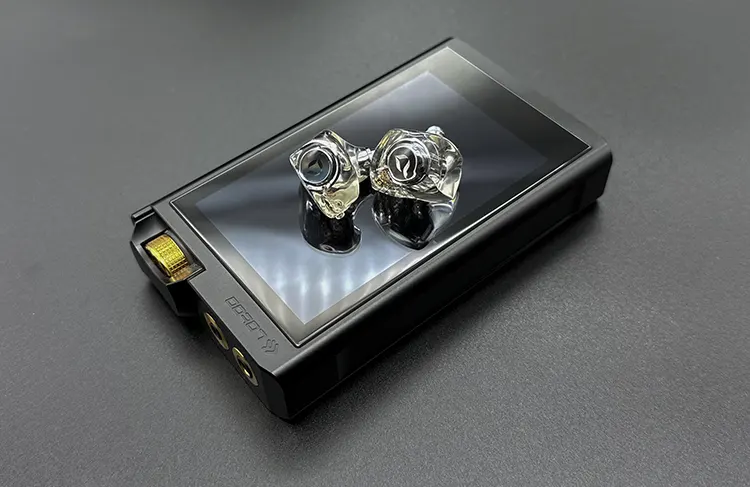
Both IEMs have transparent shells where you can peer into the internal wiring. Project M has more of a crystal-clear, prism-like design. The shells are a lot bigger than those of Iris, but the comfort is not compromised on Project M.
The Iris, because of its tiny shells, needs a properly fitting ear tip, or else the isolation can be compromised.
As for the overall packaging, Project M packs quite decent accessories. Project M is paired with a custom-designed cable known as the MOCCA cable. This cable is modular and comes with 3.5 mm and 4.4 mm connectors.
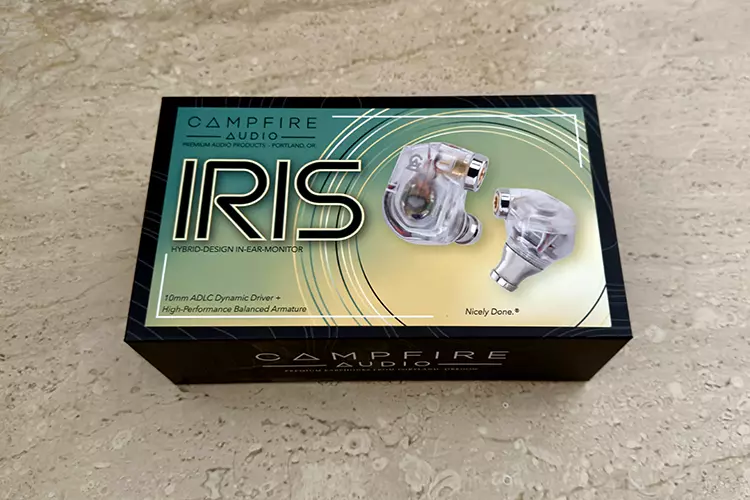
Iris goes further and packs more accessories, such as the leather wallet, a Breezy Bag, and two cables with different terminations.
Performance
In the bass, the Iris is the easy winner if you want weight and fun. It has that thick, heavy bass shelf that gives you proper rumble and a satisfying slam. It feels physical. It feels warm.
Project M goes the opposite way. Bass is leaner, more controlled, and more “monitor-like.” You still get definition, but it does not fill the room the way Iris does.
Project M runs more neutral in the midrange. Vocals and instruments feel clearer and more exposed, like the set is trying to show you everything. It can sound a tad dry compared to Iris, but it is also more transparent.
Iris adds warmth and body, and that makes vocals feel richer and a bit more emotional. Iris feels more “music first.” Project M feels more “clarity first.”
Project M is forward and spicy up top. It has a lot of energy, and it can get hot if you are treble-sensitive. The detail is strong, and that is part of the appeal, but you may need the right source and the right tips to tame it.
Iris is much easier here. Treble stays smooth and supportive. It just has enough crispness to keep things clean.
Technically, Project M is ahead, as the resolution and micro detail are stronger. Imaging is also more precise, with cleaner outlines. Iris is more relaxed. It separates well, and the fine detail is more supportive than spotlighted.
Project M spreads things out in a more left-to-right way. Iris leans more holographic. It has a nicer sense of depth and height.
If you want maximum detail, sharper images, and a highly technical presentation, Project M will serve you right. Iris is the safer and more enjoyable pick if you want a smoother, warmer sound with a big bass foundation.
My Verdict
Iris is a nice little surprise. From the moment you open the box, it feels like Campfire Audio is trying to pamper you.
The accessories just keep coming, and the whole unboxing has that “we went the extra mile” vibe. Then you put the IEMs in, and the next surprise hits even harder.
For a Campfire Audio tuning, the hybrid dual driver Iris sounds pleasantly different. The bass on these tiny shells hits like a truck. It is bold, warm, and properly satisfying.
The best part is that it does not feel sloppy. You get that quantity and weight without sacrificing the overall cleanliness. It is the kind of bass that makes the basshead in you grin, especially because it keeps the mix tidy.
Even with the heavy low end, it does not bloat the sound too much. The mids and treble stay supportive and keep the tuning from turning into a muddy mess.
Sure, I would have liked a bit more midrange presence and a touch more detail overall, but that is not really the point of Iris. Iris is about fun, ease, and that big low-end satisfaction, while still sounding clean.
The soundstage also gives everything space, so even when the bass is doing its thing, the presentation does not feel cramped.
Taken as a whole, Iris feels complete. It has a solid set of accessories, comfort, and a tuning that stands out in the Campfire Audio lineup. The price point also feels well-judged for what you get as a full package.
For me, it is the kind of IEM you grab for a walk or a gym session, just something easy and enjoyable that still sounds proper. Campfire Audio experimented here, and it worked well. Iris earns its place.
Campfire Audio Iris Technical Specifications
- Driver Configurations: 10mm ADLC dynamic driver + High-performance balanced armature
- Impedance: 14.8 Ω @ 1 kHz
- Sensitivity: 94 dB @ 1 kHz – 17.26 mVrms
- Frequency Response: 5 Hz – 20 kHz
- Cable: Time Stream Metal Cables – Four SPC conductors – 3.5mm single ended & 4.4mm balanced
