

Sound Impressions
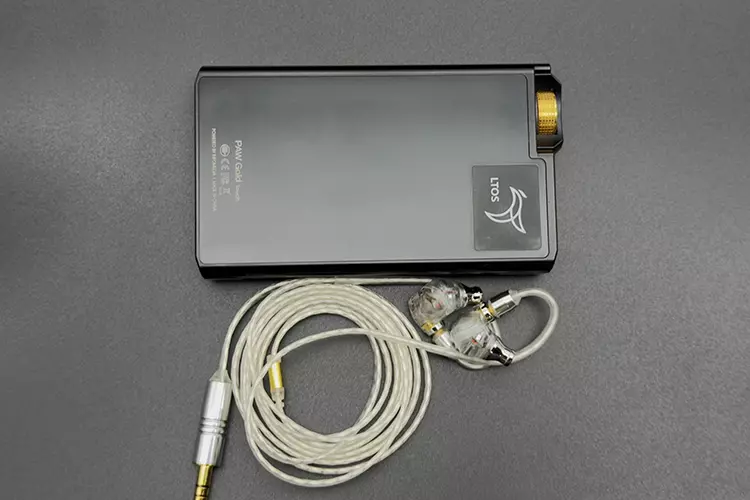
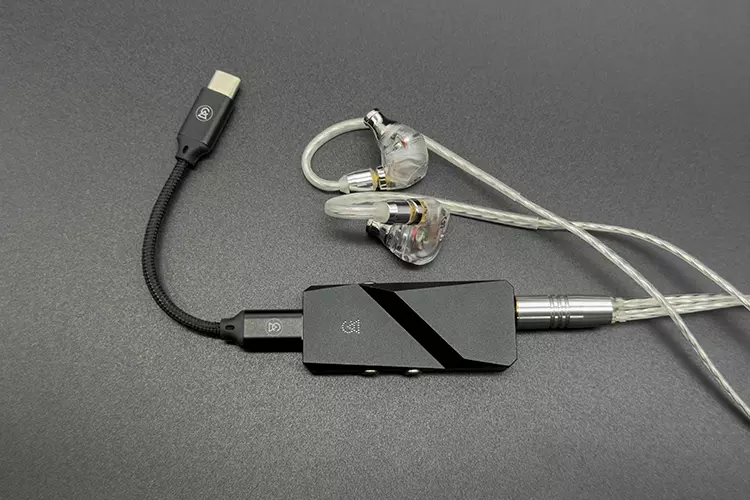
The following sound impressions of the Campfire Audio Iris were completed using a mixture of my main source, the Lotoo Paw Gold Touch, and the Campfire Audio Relay Dongle. For the review, I paired the IEMs with the stock cable and Divinus Velvet ear tips, size L.
Summary
Iris is a bass-first IEM, and it does not hide it. The low end is big, deep, and pretty addictive. You get a real rumble, plus a nice hit, so it feels fun and physical. But it is not a messy bass. It does not bloom all over the place.
Midrange stays in a good spot. It is not pushed forward, but it is also not missing and gets its due space. The stage is roomy, so the midrange does not feel crowded even when the bass is doing its thing.
Treble is just enough. It is clean, a bit crisp, and has some air, but it does not get sharp or spicy. You will not be drowning in tiny details and edges, but it also will not sound dull. It is more of a “support the mix and keep it open” kind of treble.
Technically, the stage is the main win. It feels wide and has decent depth, so everything gets space. Imaging is fine, not super sharp. Micro detail is not the focus, but the overall sound stays clean. Dynamics are strong because the bass hits hard, so the whole presentation feels energetic.
In short, Iris is for someone who wants a proper bassy Campfire, but still wants it to sound clean and spacious, not bloated and noisy.
Bass
The bass on Iris is the kind that immediately tells you this is some heavy low-end. It comes in with real weight. There is a strong low shelf that stays elevated for a long stretch. The foundation feels thick and confident instead of just being a small bass bump for flavor.
Sub-bass reaches deep and holds a steady floor, so you get proper rumble. It is not a one-hit-and-gone type of sub-bass either. It stays present across the track, giving you that constant sense of depth.
Mid-bass follows with a solid dose of punch. There is enough energy here to keep the groove feeling alive, so you get that “fun” layer. It can genuinely scratch the basshead itch, especially if you like a heavy low end that still sounds organized.
Iris keeps the warmth in check very well. You do not get that thick bloom that fogs up the mix. The bass stays dense, but it does not turn into a cloud.
Texture is also not sacrificed. Details and layers are audible inside the bass line. On well-recorded tracks, you can catch the small variations in bass notes instead of hearing one rounded thump repeated. The stage helps too. Iris feels spacious, so the bass has room to breathe.
Overall, Iris delivers a heavy bass that feels deliberate. Big sub-bass depth, a proper mid-bass slam, and enough control to keep things clean. If you want a Campfire that you revisit mainly for the low end, Iris gives you a very good reason.
Midrange
The midrange on Iris works in a smart way with the heavy low end. It does not try to fight the bass by getting shouty or overly forward. Instead, it stays clean, steady, and well-spaced.
A big reason it works is that the bass does not spill upward. So, the midrange does not get cramped or hazy. Vocals sit in their own pocket, instruments have breathing room, and the whole center image feels open instead of stuffed.
Lower mids have good weight. Male vocals do not sound hollow or scooped out. Guitars and strings have decent bodies. Iris does not go for that super lean, “clean at all costs” midrange. It keeps enough meat on the bone to sound natural and musical.
What you do not get is a forward upper-mid push. Female vocals are clear, but they are not projected right into your face. The presence is there, just more tucked in. That makes Iris easy to listen to. You do not get that shouty bite that can make some tracks tiring.
There is also a slightly relaxed feel around the core midrange. Notes are not thickly stacked on top of each other. The midrange comes through clean, with enough detail to sound tidy.
Separation is good. When the bass line is moving, and the drums are hitting, the vocals still stay readable. Instruments do not blur together, and the stage does a lot of work here, too. Iris has room, so the midrange is never fighting for air.
Treble
Treble on Iris is tuned to support the sound, not steal the show. It has a bit of focus, but it is not one of those sharp, “listen to the details” type of tunings.
The energy is there in small doses, placed in a way that keeps things crisp and clear while staying smooth most of the time.
You get a clean leading edge on cymbals and hi-hats. Attacks come through with decent definition, and at the same time, it does not push hard into that edgy zone.
The best part is it never turns dark either. It stays open enough to keep the whole sound from feeling closed in, especially with how heavy the bass is. Sibilance is mostly kept in check, and even on brighter recordings, it does not turn into a hot mess.
There are a few subtle peaks that add outline and presence. This is what gives vocals and instruments a bit of shine and separation up top. It is not a constant bright lift, more like small boosts that wake the treble up when the track needs it.
Air and sparkle are present in a decent amount. You can hear the space around cymbals. Stage also feels more open up top, which helps the bass-heavy tuning feel less thick overall.
Still, the very last bits of extension and that final airy “reach” are not the main strength. Some notes can feel like they fade out a bit early, as they dissipate into thin air before fully trailing off.
Overall, it does its job well, and it fits the Iris tuning. It gives space and clarity without trying to be the star of the show.
Staging & Dynamics
On the technical front, you would not expect Iris to be a complete technical monster. It is a bass-first IEM, and it plays that role first. But it still does a lot of things right, and it never feels messy or confused.
Soundstage is a win for me. Iris sounds spacious and natural. Width is good, and there is real depth too, so the image does not feel flat. That room is what makes the whole tuning work. Instruments breathe, and every note seems to land in its own spot without crowding.
The stage helps in achieving a decent separation. You do not feel instruments fighting for space. Even with heavy bass lines, notes stay readable, and the top end stays audible.
Micro-details are present if you go looking for them, but Iris doesn’t throw them at you. It is more about a smooth, easy listen where everything is clear enough.
Imaging is decent but not super-sharp and precise. You can place instruments without effort, and spatial accuracy is there, but the outlines are not super crisp. Think more soft edges than pinpoint carving. Channel-to-channel movement is handled well, too.
Dynamics are genuinely good. The bass gives the whole sound a strong sense of swing. When the track hits harder, Iris responds with weight and impact. It is the kind of energy that makes you nod along without thinking.
Micro-dynamics are less impressive. Small volume shifts and fine nuances are audible but not magnified or particularly highlighted.
Being a bass-first IEM, Iris keeps its technical aspect reasonable. The presentation is spacious and clean while still delivering that fun, heavy low-end character, and for me, that is what’s needed here.
Synergy
Efficiency
Iris has an impedance of 14.8 Ω at 1 kHz and a sensitivity rating of 94 dB @ 1 kHz @ 12.10 mVrms. And it’s sensitive, like all Campfire Audio IEMs are.
Though it can take a few extra volume clicks compared to other IEMs in their lineup, it won’t shy away from exposing the source’s noise floor.
It is an easy-breezy IEM to drive. You can get decent sound from a mobile device, a laptop, or some dongles.
On my LPGT, the Iris is comfortable at a volume level of 25 and goes up to 30, hinting at improved dynamics, without getting too loud too easily.
I would prefer to pair it with a neutral-ish source to enjoy that little warmth on the IEMs. A warm-leaning source can clutter the stage.
Source Pairings
Starting with the Relay dongle that pairs well with most IEMs I have tried. It has enough drive to make things sound open and less boxed in. Iris benefits from that. You get a nicer dynamic swing, and the top end feels a bit airier.
Relay also adds a small lift on top, which works in Iris’ favor since its treble is slightly on the polite side. The pairing keeps that spacious feel I usually associate with better sources, which is honestly impressive for a dongle.
LPGT brings out the best in Iris. It gives the sound a more technical edge, with better detail retrieval and a more complete treble presentation. The bass stays heavy, but you hear more texture and shape in it.
Midrange sounds more natural and lifelike, with slightly better presence on vocals and lead instruments. Treble has a good sense of air and sparkle; it is still smooth and not overly forward, but it does not feel like anything important is missing.
The nicest part is how Iris stays clean even with that big low-end. On LPGT, separation improves, and layering feels more sorted. Instruments get their space, and the mix does not collapse when the bass hits hard.
I wish the midrange were a touch more forward, but apart from that, this pairing works quite well. You do not get a very wide soundstage here, but the depth and height make up for it. You get a nice, spacious, and holographic feel.
